Introduction
The Desert Hare, scientifically known as Lepus tibetanus, is a fascinating mammal species that thrives in some of the most challenging environments on Earth. Renowned for its adaptability and resilience, the Desert Hare inhabits the arid and semi-arid regions of Central Asia. This species belongs to the Leporidae family, which includes hares and rabbits, and is distinct for its unique adaptations to desert life. In this comprehensive article, we will delve into various aspects of the Desert Hare, including its physical characteristics, habitat, behavior, diet, and conservation status, providing a thorough understanding of this remarkable mammal.
Physical Description
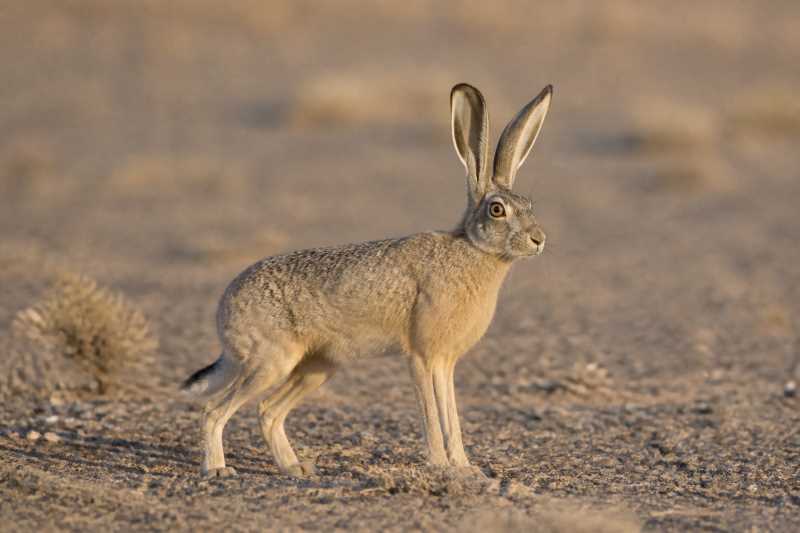
The Desert Hare is medium-sized, with a body length ranging from 40 to 60 centimeters and a weight between 1.5 to 3 kilograms. Its fur is typically a sandy or grayish-brown color, helping it blend seamlessly into its desert surroundings. This coloration serves as effective camouflage against predators.
One of the most notable features of the Desert Hare is its long ears, which can measure up to 10 centimeters in length. These ears not only enhance its hearing capabilities but also play a crucial role in thermoregulation, allowing the hare to dissipate excess body heat in the harsh desert climate.
Additionally, the Desert Hare possesses powerful hind legs, enabling it to sprint at impressive speeds to escape predators. Its large, black eyes provide excellent vision, which is essential for spotting threats in its open habitat.
Range and Habitat
The Desert Hare is primarily found in the arid and semi-arid regions of Central Asia, including parts of China, Mongolia, and Russia. Its range extends across vast expanses of deserts, grasslands, and shrublands.
This species is highly adaptable, capable of surviving in environments with extreme temperatures and limited water sources. It often inhabits areas with sparse vegetation, relying on its ability to extract moisture from the plants it consumes.
The Desert Hare prefers habitats with loose, sandy soil, which facilitates its burrowing behavior. These burrows serve as refuges from predators and harsh weather conditions, providing a safe haven for resting and rearing young.
Behavior and Diet
Desert Hares are primarily nocturnal, becoming most active during the cooler hours of dawn and dusk. This behavior helps them avoid the intense heat of the day, conserving energy and reducing water loss.
The diet of the Desert Hare consists predominantly of plant material, including grasses, herbs, and shrubs. It is a herbivorous species that can survive on a diet with low nutritional content, thanks to its efficient digestive system.
One of the most intriguing aspects of the Desert Hare’s behavior is its ability to obtain moisture from its food, allowing it to thrive in areas with scarce water sources. It may also consume dew from plants in the early morning hours.
Identification Tips (field recognition cues)
Identifying the Desert Hare in the field requires keen observation skills and attention to specific physical and behavioral traits. Here are some tips for recognizing this species:
- Ear Length and Shape: Look for the hare’s distinctive long ears, which are adapted for thermoregulation.
- Fur Coloration: Observe the sandy or grayish-brown fur that provides camouflage in desert environments.
- Behavior: Note the hare’s nocturnal activity patterns, as it is most active during dawn and dusk.
- Habitat: Search for the hare in arid and semi-arid regions with sparse vegetation and loose soil.
- Footprints: Identify the characteristic elongated hind footprints left by the hare as it moves.
Conservation Status (with threats and protections)
The Desert Hare is currently classified as a species of Least Concern by the International Union for Conservation of Nature (IUCN). However, it faces several threats that could impact its population in the future.
Threats:
- Habitat Loss: Expansion of agriculture and human settlements can lead to habitat destruction and fragmentation.
- Climate Change: Altered precipitation patterns and rising temperatures may affect the availability of food and water sources.
- Hunting: In some regions, the Desert Hare is hunted for its fur and meat, which can pressure local populations.
Protections:
- Conservation Areas: Some parts of the Desert Hare’s range are protected by nature reserves and national parks, which help preserve its habitat.
- Legal Protections: In certain countries, hunting of the Desert Hare is regulated or prohibited to prevent excessive exploitation.
Frequently Asked Questions
What adaptations help the Desert Hare survive in its environment?
The Desert Hare has several adaptations that enable it to thrive in arid conditions, including its long ears for thermoregulation, efficient water extraction from food, and nocturnal behavior to avoid daytime heat.
How does the Desert Hare find water in the desert?
The Desert Hare obtains most of its water from the moisture in the plants it consumes. It can also drink dew that forms on vegetation in the early morning.
Are Desert Hares endangered?
Currently, the Desert Hare is not considered endangered and is listed as Least Concern by the IUCN. However, habitat loss and hunting could pose future threats.
What is the typical lifespan of a Desert Hare?
In the wild, Desert Hares typically live for about 3 to 5 years, although they can live longer in captivity with proper care.
How can I help protect the Desert Hare?
Supporting conservation efforts, advocating for the protection of natural habitats, and raising awareness about the species can all contribute to the preservation of the Desert Hare and its environment.
Related posts