Anjiamangirana Sportive Lemur (Lepilemur grewcocki)
Introduction
The Anjiamangirana Sportive Lemur, scientifically named Lepilemur grewcocki, is a fascinating species endemic to the lush forests of Madagascar. As a member of the sportive lemur family, this species holds a unique place in the biodiversity of the region. With its distinctive physical characteristics, specialized habitat requirements, and intriguing behaviors, the Anjiamangirana Sportive Lemur has captured the attention of scientists and conservationists alike. This article delves into various aspects of the species, offering insights into its physical description, habitat, behavior, and the conservation efforts to protect it.
Physical Description
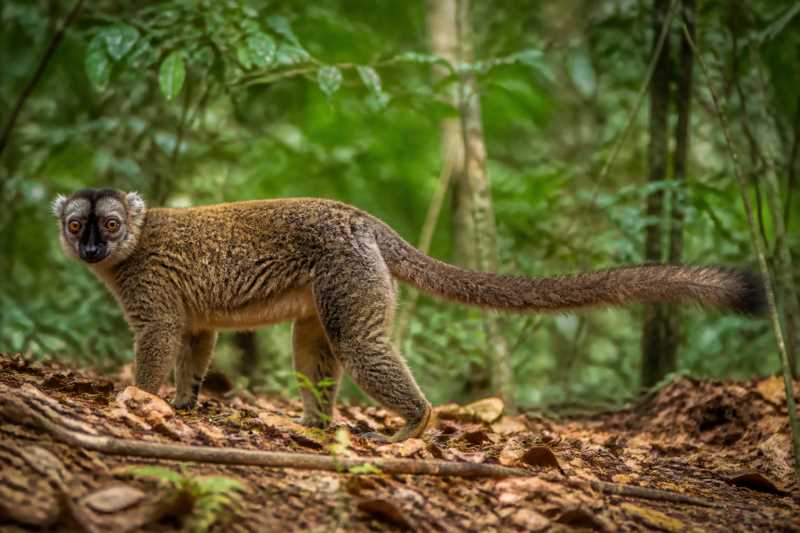
The Anjiamangirana Sportive Lemur is a small to medium-sized lemur, characterized by its agile and athletic build. It typically measures between 22 to 30 centimeters in body length, with an additional tail length of about 25 to 30 centimeters, making its overall length approximately 50 to 60 centimeters. The weight ranges from 800 to 1,000 grams, depending on age and gender.
One of the most distinctive features of this lemur is its large, round eyes, which are adapted for nocturnal vision. The eyes are surrounded by a facial mask of darker fur, enhancing their vivid appearance against the lemur’s generally lighter fur color. The fur itself is soft and dense, with a predominant hue of grayish-brown on the dorsal side, while the ventral side is lighter, often cream or whitish in color. The ears are relatively small and rounded, covered with short fur, giving them a less prominent appearance compared to other lemur species.
The limbs of the Anjiamangirana Sportive Lemur are adapted for climbing and leaping. The hind limbs are particularly strong, allowing the lemur to make impressive vertical leaps between trees, which is a characteristic behavior of sportive lemurs. The hands and feet are equipped with strong grips, aiding in their arboreal lifestyle.
Range and Habitat
Lepilemur grewcocki is found exclusively in the Anjiamangirana region of northwestern Madagascar. This area is characterized by dry deciduous forests, which are adapted to the seasonal climate of the region. The forests provide a rich diversity of flora, supporting the lemur’s dietary needs and offering ample shelter and nesting sites.
The lemur’s range is limited to these forests, making it highly susceptible to any environmental changes or habitat destruction. The forest canopy offers the perfect environment for these lemurs, as they are primarily arboreal and require dense tree coverage for movement, foraging, and protection from predators.
Behavior and Diet
The Anjiamangirana Sportive Lemur is predominantly nocturnal, spending the daylight hours resting in tree cavities or dense foliage. Its nocturnal activities include foraging for food, social interactions, and territorial displays. These lemurs are primarily solitary creatures, though they do exhibit some social behaviors, especially during the breeding season.
The diet of Lepilemur grewcocki mainly consists of leaves, making it folivorous. It has a specialized digestive system that allows it to process the tough cellulose found in leaves. However, the lemur’s diet is not exclusively leafy greens; it occasionally consumes flowers, fruits, and bark when available. Seasonal variations in food availability dictate its dietary preferences, ensuring that the lemur maintains a balanced nutritional intake throughout the year.
Identification Tips
Identifying the Anjiamangirana Sportive Lemur in its natural habitat can be a rewarding experience for wildlife enthusiasts. Here are some field recognition cues to aid in identification:
- Nocturnal Activity: Look for movement in the trees during the night, as these lemurs are active after sunset.
- Distinctive Eye Shine: Use a flashlight or headlamp to spot the characteristic eye shine, which is a reflection of their large, nocturnal eyes.
- Vocalizations: Listen for their distinctive calls, which include grunts and chirps used for communication and territorial marking.
- Physical Appearance: Note the small size, round eyes, and grayish-brown fur with a lighter ventral side.
- Behavior: Observe their unique leaping behavior between trees, a key trait of sportive lemurs.
Conservation Status
The Anjiamangirana Sportive Lemur is currently classified as Endangered on the IUCN Red List. The primary threat to its survival is habitat destruction due to illegal logging, slash-and-burn agriculture, and human encroachment. As its habitat is limited to a specific region, any loss of forest cover significantly impacts its population.
Conservation efforts are underway to protect the remaining forest habitats and to curb illegal activities that threaten the species. Community-based conservation programs aim to involve local populations in preserving their natural resources, ensuring sustainable use and protection of the lemur’s habitat.
Additionally, the establishment of protected areas and wildlife corridors has been proposed to enhance the conservation of the species. Research and monitoring programs are also crucial to understanding the population dynamics and ecological needs of Lepilemur grewcocki, providing data to inform conservation strategies.
Frequently Asked Questions
What is unique about the Anjiamangirana Sportive Lemur?
The Anjiamangirana Sportive Lemur is unique due to its nocturnal habits, specialized folivorous diet, and its restricted range in the dry deciduous forests of Madagascar. Its ability to make impressive vertical leaps and its solitary nature are also distinctive traits.
How does the Anjiamangirana Sportive Lemur contribute to its ecosystem?
As a folivorous species, this lemur plays a crucial role in seed dispersal and maintaining the health of the forest ecosystem. Its feeding habits contribute to plant regeneration, impacting the biodiversity of its habitat positively.
What conservation measures are in place to protect this lemur?
Conservation measures include habitat protection, community-based conservation programs, and the establishment of protected areas. Efforts to curb illegal logging and promote sustainable agricultural practices are also part of the conservation strategy.
How can I help in the conservation of the Anjiamangirana Sportive Lemur?
Supporting conservation organizations working in Madagascar, spreading awareness about the species, and promoting sustainable products that do not contribute to habitat destruction are ways to help conserve the Anjiamangirana Sportive Lemur.
Are there any research projects focusing on Lepilemur grewcocki?
Yes, various research projects aim to study the ecology, behavior, and population dynamics of Lepilemur grewcocki, contributing valuable data for conservation planning and efforts.
Related posts