Introduction
The Manombo Woolly Lemur (Avahi ramanantsoavani) is an elusive primate native to the rainforests of Madagascar. As a member of the Indriidae family, it is one of the lesser-known species of woolly lemurs, distinguished by its unique adaptations and behaviors. These nocturnal creatures are crucial to the ecosystem, serving as both pollinators and a part of the complex food web. Unfortunately, like many of Madagascar’s endemic wildlife, the Manombo Woolly Lemur faces significant threats from habitat destruction and human activity, making it a focal point for conservation efforts.
Physical Description
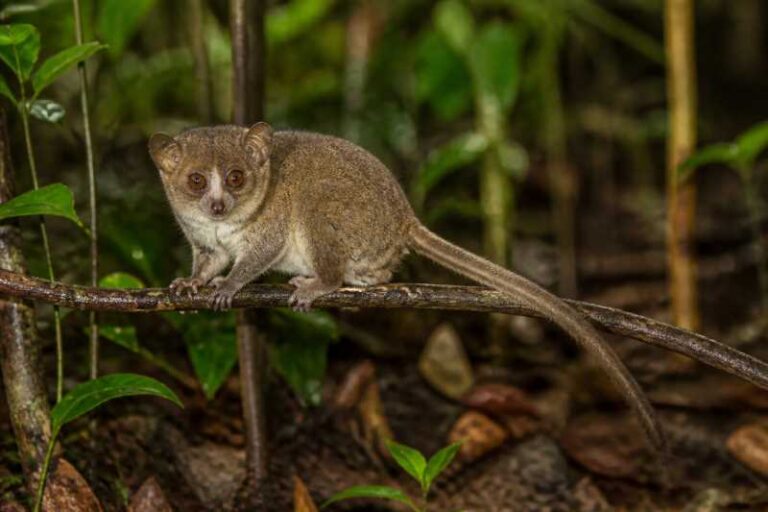
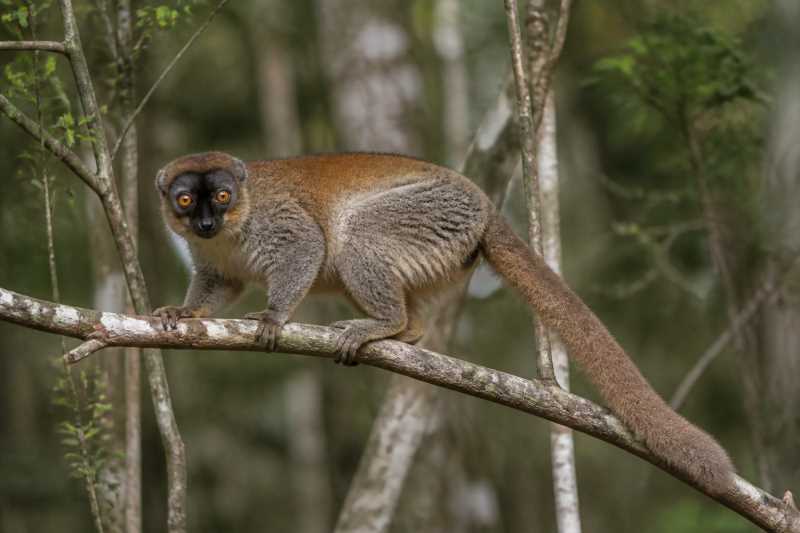
The Manombo Woolly Lemur is characterized by its compact body and dense, woolly fur, which gives it the name. Typically, adults weigh between 1.0 to 1.3 kilograms and measure approximately 27-30 cm in body length, excluding the tail, which can add another 25-30 cm. Their fur is predominantly gray-brown, with paler underparts and a distinct reddish tone on their limbs and tail. They possess large, expressive eyes adapted for nocturnal vision, and their rounded ears are often hidden within their fur. These lemurs have long, powerful hind limbs, aiding in their ability to leap through the trees with agility and precision.
Range and Habitat
The Manombo Woolly Lemur is endemic to Madagascar, specifically the southeastern regions, with its primary habitat located around the Manombo Special Reserve. This region is characterized by humid rainforest, which provides the dense canopy cover that these arboreal lemurs prefer. The forest floor is less frequently utilized by these primates, as they spend most of their time in the mid to upper canopy layers. The reserve spans an area rich in biodiversity, offering a habitat that supports various endemic species.
Behavior and Diet
Being nocturnal, the Manombo Woolly Lemur is most active at night. It exhibits a solitary or small family group structure, typically comprising a breeding pair and their offspring. These lemurs are folivorous, primarily feeding on leaves, which they can efficiently digest thanks to their specially adapted gut microbiota. They also consume flowers, fruits, and occasionally bark, depending on seasonal availability. Social interactions are limited but include grooming and vocal communication, the latter of which is crucial for maintaining group cohesion and territory defense.
Identification Tips (Field Recognition Cues)
Field identification of the Manombo Woolly Lemur can be challenging due to its nocturnal habits and arboreal lifestyle. However, several cues can aid in recognition:
- Vocalizations: Listen for their distinctive calls at night, which serve to communicate between individuals and assert territorial boundaries.
- Movement Patterns: Observe their unique vertical clinging and leaping, a behavior that distinguishes them from other sympatric species.
- Fur Coloration: Note the gray-brown fur with reddish limbs and tail, a trait not observed in closely related species.
- Eye Reflection: At night, their eyes reflect light, which can be a useful indicator when using a flashlight.
Conservation Status (with Threats and Protections)
The Manombo Woolly Lemur is currently classified as Critically Endangered on the IUCN Red List. The primary threats to their survival include deforestation, agricultural expansion, and illegal logging, which result in significant habitat loss. Additionally, hunting and capture for the pet trade pose direct threats to their populations.
Conservation efforts are underway, focusing on habitat protection and restoration within the Manombo Special Reserve. Local and international organizations are working to enforce protective legislation and promote sustainable land-use practices. Community-based conservation initiatives aim to engage local populations in protecting these unique primates.
Frequently Asked Questions
What is the Manombo Woolly Lemur’s scientific name?
The scientific name of the Manombo Woolly Lemur is Avahi ramanantsoavani, named in honor of Malagasy conservationist Daniel Ramanantsoa.
How does the Manombo Woolly Lemur communicate?
These lemurs primarily communicate through vocalizations, which include loud calls for territorial defense and softer sounds for social interactions within family groups.
What are the main threats to the Manombo Woolly Lemur?
The main threats include habitat destruction due to deforestation, agricultural encroachment, and illegal logging, as well as hunting and capture for the pet trade.
Where can I see the Manombo Woolly Lemur in the wild?
The best chance to observe the Manombo Woolly Lemur is within the Manombo Special Reserve in southeastern Madagascar, particularly during night excursions.
What do Manombo Woolly Lemurs eat?
Their diet primarily consists of leaves, but they also consume flowers, fruits, and occasionally bark, adapting their diet based on seasonal availability.
Related posts