Introduction
The Lavasoa Dwarf Lemur (Cheirogaleus lavasoensis) is a fascinating species of lemur that was only recently discovered, highlighting the rich biodiversity of Madagascar. As a member of the family Cheirogaleidae, this species is part of a unique group of nocturnal and arboreal primates. The discovery of the Lavasoa Dwarf Lemur has brought attention to the need for conservation efforts in Madagascar, where habitat destruction poses a significant threat to many endemic species.
Lemurs are considered to be the world’s most threatened group of mammals, and the Lavasoa Dwarf Lemur is no exception. This article will delve into the various aspects of this intriguing species, including its physical description, habitat, behavior, and conservation status.
Physical Description
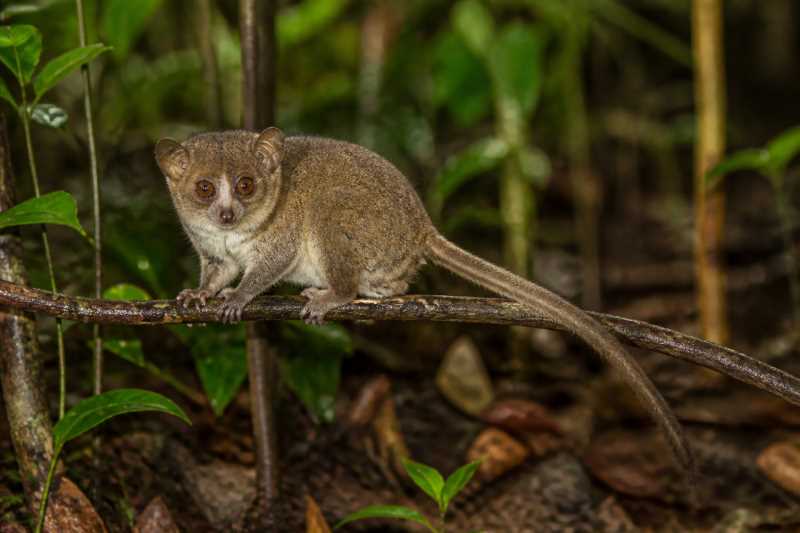
The Lavasoa Dwarf Lemur is a small, nocturnal primate with distinct physical traits that make it easily recognizable among its relatives. It has a compact body structure typical of dwarf lemurs, with an average body length of approximately 20 to 22 centimeters and a weight of around 300 to 400 grams. Its fur is predominantly a mix of brown and gray, providing excellent camouflage in its natural habitat.
The species is characterized by its large, round eyes adapted for night vision, a crucial adaptation for its nocturnal lifestyle. The muzzle is short, and the ears are relatively large and rounded, aiding in its acute sense of hearing. The tail is often as long as or longer than the body, which assists in balance and agility as the lemur navigates through the treetops.
Range and Habitat
The Lavasoa Dwarf Lemur is endemic to Madagascar, with its range restricted to the Lavasoa mountain range in the southeast of the island. This limited distribution makes the species particularly vulnerable to habitat disturbances. The Lavasoa mountains are characterized by a mosaic of forest types, including dry deciduous forests and evergreen forests, which offer diverse ecological niches for the lemur.
The lemur’s habitat is typically at elevations ranging from 600 to 1,000 meters above sea level. It is an arboreal species, spending the majority of its life in the trees, where it finds shelter and food. The dense foliage and complex forest structure provide the lemur with both protection from predators and a variety of foraging opportunities.
Behavior and Diet
The Lavasoa Dwarf Lemur is primarily nocturnal and arboreal, spending its nights foraging for food and its days resting in tree hollows or dense foliage to avoid predators. Its diet is omnivorous, consisting mainly of fruits, flowers, nectar, and insects. This varied diet allows the lemur to adapt to seasonal changes in food availability.
Social behavior in the Lavasoa Dwarf Lemur is not extensively documented, but like other dwarf lemurs, it is likely to exhibit solitary or small group living arrangements. Communication among individuals is thought to involve vocalizations, scent marking, and possibly visual signals.
A notable aspect of the Lavasoa Dwarf Lemur’s behavior is its hibernation period, which can last several months. During this time, the lemur enters a state of torpor to conserve energy when food resources are scarce. This adaptation is crucial for survival in the fluctuating environmental conditions of Madagascar.
Identification Tips (Field Recognition Cues)
Field recognition of the Lavasoa Dwarf Lemur can be challenging due to its nocturnal habits and the dense forest habitat it occupies. However, there are several key features to look for:
- Size and Shape: Look for a small primate with a rounded body and long tail. Its body length is about 20 to 22 cm, with a tail that can be longer than its body.
- Fur Color: The fur is predominantly brown and gray, providing a camouflage effect against tree bark and leaves.
- Eye Size: The large, round eyes are a distinctive feature, reflecting its adaptation to a nocturnal lifestyle.
- Behavior: Observe the arboreal habits; the lemur will often be seen navigating the upper canopy at night.
- Vocalizations: Listen for soft calls or rustling in the leaves, which may indicate the presence of this elusive primate.
Conservation Status (With Threats and Protections)
The Lavasoa Dwarf Lemur is currently classified as Critically Endangered on the IUCN Red List. The primary threat to its survival is habitat loss due to deforestation for agriculture, logging, and human settlement expansion. The limited range of the species exacerbates these threats, as any habitat disturbance can have significant impacts on its population.
Conservation efforts for the Lavasoa Dwarf Lemur include habitat protection and restoration, as well as environmental education programs for local communities. There are also initiatives to establish protected areas within the Lavasoa mountains to ensure the preservation of its unique ecosystem.
Research is ongoing to better understand the species’ ecology, behavior, and population dynamics, which will inform future conservation strategies. Collaboration between local governments, NGOs, and international conservation organizations is vital to the success of these efforts.
Frequently Asked Questions
1. What makes the Lavasoa Dwarf Lemur unique among lemurs?
The Lavasoa Dwarf Lemur is unique due to its limited geographical range and recent discovery, emphasizing the rich biodiversity and ongoing species discoveries in Madagascar. Its hibernation behavior and nocturnal lifestyle further distinguish it from many other lemur species.
2. How does the Lavasoa Dwarf Lemur contribute to its ecosystem?
As a frugivore, the Lavasoa Dwarf Lemur plays a crucial role in seed dispersal, aiding in the regeneration and diversity of the forest ecosystem. Its presence also indicates a healthy forest environment.
3. What conservation measures are in place for the Lavasoa Dwarf Lemur?
Conservation measures include habitat protection through the establishment of protected areas, community education programs, and ongoing research to inform conservation strategies. Efforts are focused on mitigating habitat destruction and promoting sustainable land use.
4. Can the Lavasoa Dwarf Lemur be seen in captivity?
Currently, the Lavasoa Dwarf Lemur is not commonly found in captivity due to its specific environmental needs and the challenges of replicating its natural habitat. Conservation efforts are focused on in-situ protection.
5. How can I help in the conservation of the Lavasoa Dwarf Lemur?
Supporting reputable conservation organizations that work in Madagascar, advocating for sustainable practices, and raising awareness about the importance of lemur conservation are all ways to contribute to the protection of the Lavasoa Dwarf Lemur.
Related posts