Introduction
Gursky’s Spectral Tarsier, scientifically known as Tarsius spectrumgurskyae, is a fascinating primate species that captivates wildlife enthusiasts and researchers alike. These small, nocturnal creatures are part of the Tarsiidae family and are native to parts of Southeast Asia. Known for their distinct appearance and unique behaviors, Gursky’s Spectral Tarsiers play a crucial role in their ecosystem. This article delves into the various aspects of this intriguing species, including its physical characteristics, habitat, behavior, and conservation status.
Physical Description
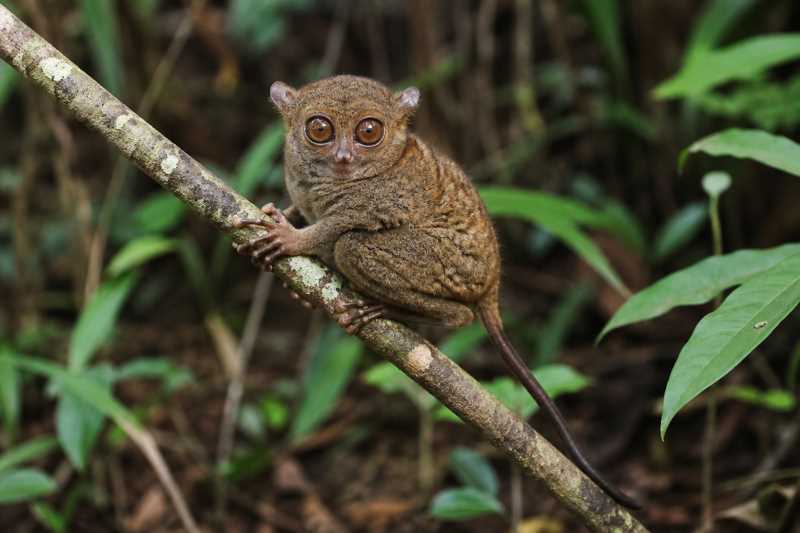
Gursky’s Spectral Tarsiers are small primates, characterized by their large eyes and long limbs. These adaptations are perfect for their nocturnal lifestyle, allowing them to have excellent night vision and agility in navigating through dense forests. On average, they weigh between 100 to 150 grams and measure about 10 to 15 centimeters in body length, with tails that can extend up to 25 centimeters. Their fur is soft and often a grayish-brown color, providing camouflage in their natural habitat.
One of the most striking features of the Gursky’s Spectral Tarsier is its eyes. These are disproportionately large compared to their body size, enabling acute vision in low-light conditions. Each eye is roughly the same size as the tarsier’s brain, highlighting their visual dependency. Additionally, their hands and feet are equipped with long fingers and toes, which aid in grasping branches and capturing prey.
Range and Habitat
Gursky’s Spectral Tarsiers are found primarily in the forests of Indonesia, specifically on the islands of Sulawesi and surrounding areas. They thrive in primary and secondary forests, where dense foliage offers both protection from predators and abundant hunting grounds. These tarsiers prefer habitats that provide a complex structure of trees and understory, which supports their leaping and clinging locomotion.
Habitat fragmentation and deforestation pose significant threats to their range. As human activities encroach on their natural habitats, Gursky’s Spectral Tarsiers are forced into smaller areas, often leading to population declines and increased vulnerability to extinction.
Behavior and Diet
Gursky’s Spectral Tarsiers are predominantly nocturnal and exhibit a solitary or small-group social structure. They are highly territorial and use vocalizations to communicate and establish boundaries. Their calls can vary from high-pitched squeaks to more complex songs, which help in maintaining social bonds and deterring intruders.
Their diet primarily consists of insects and small vertebrates, making them insectivorous/carnivorous. They employ a sit-and-wait strategy to catch prey, using their keen eyesight and swift movements to capture insects like moths, beetles, and grasshoppers. Occasionally, they may also consume small birds and lizards, showcasing their opportunistic feeding behavior.
Identification Tips (Field Recognition Cues)
Identifying Gursky’s Spectral Tarsiers in the wild involves recognizing certain key features and behaviors:
- Large Eyes: Look for their prominent, reflective eyes, which are especially noticeable in low light.
- Long Tail: Their tails are notably long and used for balance during movement.
- Unique Vocalizations: Listen for their distinct calls, which can help locate them in dense foliage.
- Agile Movements: Observe their quick, leaping locomotion between branches.
- Fur Coloration: Note their grayish-brown fur, which blends well with their surroundings.
Conservation Status (With Threats and Protections)
The conservation status of Gursky’s Spectral Tarsier is currently assessed as "Data Deficient" by the IUCN Red List, primarily due to a lack of comprehensive data on their population trends and threats. However, they face several challenges that are common to many primate species in Southeast Asia, such as habitat destruction, fragmentation, and illegal wildlife trade.
Deforestation for agriculture and urban development significantly impacts their habitat, reducing available resources and increasing isolation of populations. Conservation efforts are focused on habitat protection and restoration, alongside raising awareness about the importance of preserving these unique primates.
Protected areas and national parks in Indonesia play a crucial role in safeguarding their habitats. Moreover, international organizations and local NGOs are working to implement sustainable land-use practices and enforce anti-poaching laws to ensure the survival of Gursky’s Spectral Tarsiers.
Frequently Asked Questions
Q1: What makes Gursky’s Spectral Tarsier unique compared to other tarsiers?
Gursky’s Spectral Tarsier is unique due to its specific adaptations to its habitat in Sulawesi, Indonesia. Its large eyes and long limbs are perfectly suited for its nocturnal lifestyle and arboreal environment. Additionally, their vocal communication is highly developed, which is essential for maintaining social structures and territory.
Q2: How do Gursky’s Spectral Tarsiers contribute to their ecosystem?
As insectivores, Gursky’s Spectral Tarsiers play a vital role in controlling insect populations, which helps maintain ecological balance. Their presence indicates a healthy forest ecosystem, as they require dense tree cover and abundant prey to thrive.
Q3: What are the major threats facing Gursky’s Spectral Tarsiers?
The primary threats include habitat loss due to deforestation, habitat fragmentation, and illegal wildlife trade. These factors contribute to population declines and increased risk of extinction.
Q4: Are there any specific conservation programs for Gursky’s Spectral Tarsiers?
Yes, several conservation programs focus on habitat protection and sustainable land use in Indonesia. These include initiatives by local NGOs and international organizations aimed at preserving natural forests and enforcing anti-poaching laws.
Related posts