Introduction
The fascinating world of small mammals includes a plethora of unique species, each contributing to the intricate tapestry of biodiversity. Among these is Ibarra’s Shrew (Sorex ibarrai), a relatively lesser-known species with intriguing characteristics and ecological significance. This article delves into the specifics of Ibarra’s Shrew, offering a comprehensive overview of its physical attributes, habitat, behavior, and conservation status. As we uncover the nuances of this species, we aim to highlight its role within its ecosystem and the importance of efforts to protect it.
Physical Description
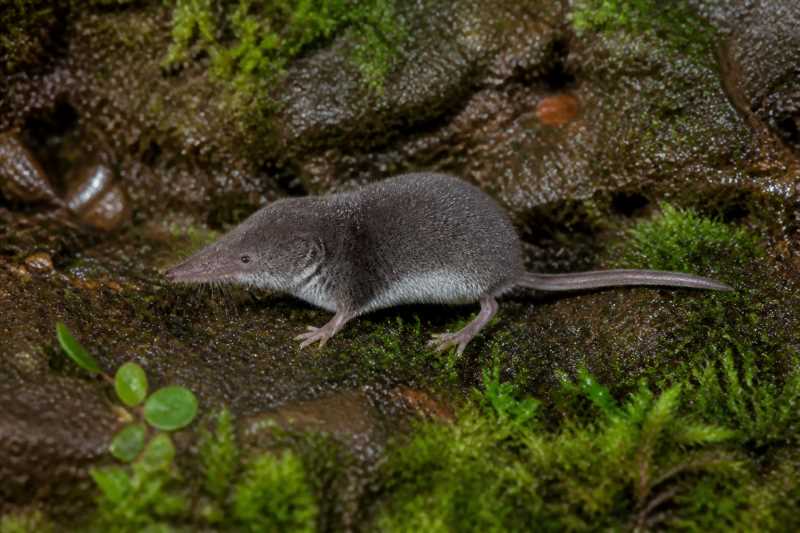
Ibarra’s Shrew is a small mammal belonging to the Soricidae family, which encompasses a wide variety of shrew species. Characterized by its diminutive size, Ibarra’s Shrew typically measures between 60 to 80 millimeters in body length, with a tail extending an additional 30 to 40 millimeters. The species exhibits a sleek, elongated body covered in dense, velvety fur that ranges from dark brown to gray, providing excellent camouflage in its natural habitat.
This shrew’s snout is notably elongated and flexible, a common trait among shrews, adapted for probing into crevices and soil in search of invertebrate prey. Its eyes are small and less prominent, reflecting its primarily nocturnal lifestyle. The ears of Ibarra’s Shrew are also small and partially concealed by its fur, further emphasizing its adaptation to a life spent burrowing and foraging in dimly lit environments.
The feet of Ibarra’s Shrew are equipped with sharp claws, aiding in digging and climbing, while its teeth are adapted for an insectivorous diet, featuring sharp cusps for efficiently processing its prey.
Range and Habitat
Ibarra’s Shrew is endemic to specific regions, predominantly found in high-altitude cloud forests of Central America. Its known range includes parts of Guatemala and Honduras, where it inhabits moist, dense forest undergrowth. These habitats are characterized by high humidity, lush vegetation, and a thick layer of leaf litter, which provide both food resources and protective cover for the shrews.
The species is particularly associated with elevations ranging from 1,500 to 2,500 meters above sea level, where the cooler temperatures and abundant moisture create an ideal environment. Such habitats are often rich in biodiversity, supporting a wide array of flora and fauna, which contributes to the ecological niche that Ibarra’s Shrew occupies.
Behavior and Diet
Ibarra’s Shrew is primarily nocturnal, engaging in most of its foraging activities under the cover of darkness. This behavior helps reduce predation risks and competition with diurnal species. The shrew is solitary by nature, with individuals maintaining and defending small territories that provide sufficient resources for survival.
The diet of Ibarra’s Shrew is predominantly insectivorous, consisting mainly of insects, spiders, and other small invertebrates. Its keen sense of smell and tactile snout are crucial for detecting prey within the dense forest floor. The shrew’s high metabolic rate necessitates frequent feeding, and it is known to consume up to twice its body weight in food each day to meet its energy requirements.
In addition to its insectivorous diet, Ibarra’s Shrew may occasionally consume plant matter, such as seeds and fruits, although this forms a minor component of its diet.
Identification Tips (Field Recognition Cues)
Identifying Ibarra’s Shrew in the wild can be challenging due to its elusive nature and the similarity it shares with other shrew species. However, there are several key features that can aid in its identification:
- Size and Shape: Look for a small mammal with an elongated body and a proportionally long tail.
- Fur Coloration: The dense, velvety fur, typically dark brown or gray, helps distinguish it from other small mammals.
- Snout and Ears: The long, flexible snout and small, partially hidden ears are characteristic of Ibarra’s Shrew.
- Activity Patterns: Observing nocturnal foraging behavior in suitable habitats can also provide clues to its presence.
Conservation Status (with Threats and Protections)
Ibarra’s Shrew is currently classified as a species of Least Concern by the International Union for Conservation of Nature (IUCN). However, this status does not imply that the species faces no threats. Habitat destruction, primarily due to deforestation for agriculture and logging, poses a significant risk to its populations.
The shrew’s reliance on cloud forest ecosystems means that any environmental changes, such as climate change or habitat fragmentation, can adversely affect its survival. Additionally, the limited geographic range of Ibarra’s Shrew makes it particularly vulnerable to localized threats.
Conservation efforts are essential to protect this species and its habitat. Protected areas, such as national parks and reserves, play a crucial role in safeguarding the ecosystems that support Ibarra’s Shrew. Furthermore, initiatives aimed at promoting sustainable land-use practices and reforestation can help mitigate some of the threats faced by this species.
Frequently Asked Questions
What does Ibarra’s Shrew eat?
Ibarra’s Shrew primarily feeds on insects and other small invertebrates, which it hunts using its keen sense of smell and agile snout. Although insectivorous, it may also consume small amounts of plant material.
Where can I find Ibarra’s Shrew?
Ibarra’s Shrew is found in the high-altitude cloud forests of Central America, particularly in Guatemala and Honduras, where it inhabits moist, dense forest environments.
How can I identify Ibarra’s Shrew in the wild?
Look for a small, nocturnal mammal with an elongated body, dark brown fur, a long snout, and partially hidden ears. Observing its behavior and habitat can also aid in identification.
Is Ibarra’s Shrew endangered?
Currently, Ibarra’s Shrew is classified as Least Concern, but habitat destruction and other environmental changes pose significant threats to its populations. Conservation efforts are necessary to ensure its continued survival.
What habitats do Ibarra’s Shrews prefer?
Ibarra’s Shrews prefer high-altitude cloud forests with dense undergrowth, high humidity, and abundant leaf litter, which provide both food resources and protective cover.
Related posts