Chilean Dolphin (Cephalorhynchus eutropia): A Comprehensive Guide
Introduction
The Chilean Dolphin, scientifically known as Cephalorhynchus eutropia, is one of the lesser-known yet fascinating marine mammals inhabiting the coastal waters of South America. Endemic to Chile, these dolphins are uniquely adapted to their temperate environment. Often referred to as the "black dolphin" due to their distinctive coloration, these creatures are a symbol of the rich biodiversity found along the Chilean coast. This article delves into the various aspects of the Chilean Dolphin, including its physical description, habitat, behavior, diet, and conservation status.
Physical Description
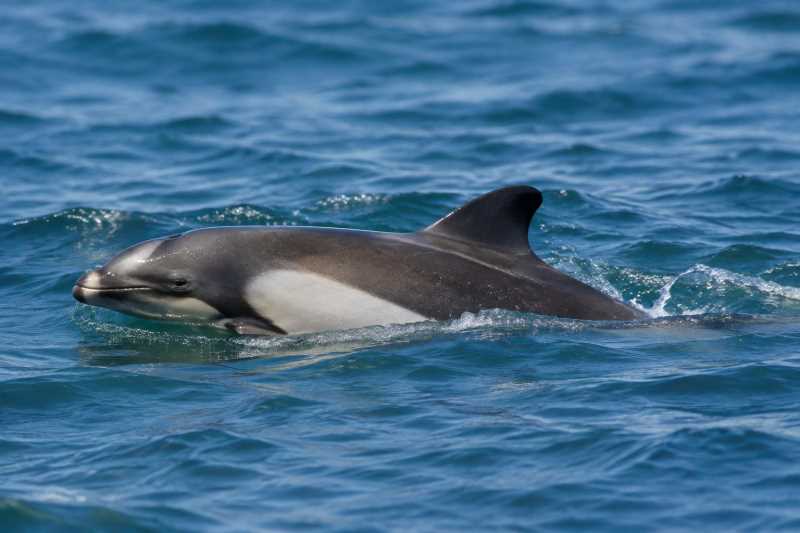
The Chilean Dolphin is a small-sized dolphin, with adults typically measuring between 1.6 and 1.7 meters in length and weighing approximately 60 to 70 kilograms. Their robust bodies are characterized by a distinctive color pattern. The dorsal side is dark grey to black, while the ventral side is lighter, with a white patch on the throat and belly. The dorsal fin is rounded and low, unlike the more elongated fins of some other dolphin species. Their pectoral flippers are also rounded, aiding in maneuverability in the coastal waters they inhabit.
The head of the Chilean Dolphin is relatively small, with a slight beak, giving it a more rounded appearance compared to other dolphin species. Their eyes are small but well-adapted to the dim lighting conditions of their murky coastal habitats. These physical traits not only help in identifying them but also play a crucial role in their survival in the wild.
Range and Habitat
Chilean Dolphins are endemic to the coastal waters of Chile, with their range extending from Valparaiso in the north to Cape Horn in the south. They are predominantly found in shallow waters, preferring areas with depths of less than 200 meters. These dolphins are often seen in bays, fjords, and estuaries, where freshwater mixes with seawater, creating nutrient-rich environments.
Their preference for coastal habitats makes them highly susceptible to anthropogenic impacts, such as pollution and habitat fragmentation. The cold, nutrient-rich waters of the Humboldt Current support a diverse marine ecosystem, providing the Chilean Dolphin with abundant food resources and suitable conditions for breeding and raising their young.
Behavior and Diet
Chilean Dolphins are social animals, typically found in small groups of 2 to 10 individuals, although larger aggregations have been observed. They are known for their acrobatic displays, often leaping out of the water and riding the waves created by boats. Communication among these dolphins is facilitated through a series of clicks and whistles, which are used for echolocation and social interactions.
Their diet primarily consists of small fish, cephalopods, and crustaceans. They employ a variety of hunting techniques, including cooperative hunting, where individuals work together to herd fish into tight balls, making them easier to catch. The coastal waters they inhabit provide a rich supply of prey, ensuring that these dolphins have access to sufficient food resources throughout the year.
Identification Tips
Identifying the Chilean Dolphin in the field can be relatively straightforward due to their distinct physical characteristics and behavior. Here are some key identification tips:
- Coloration: Look for their unique dark grey to black dorsal side contrasted with a lighter ventral side.
- Size and Shape: Note their small size, robust body, and rounded dorsal fin.
- Behavior: Observe their tendency to ride waves and display acrobatic behaviors near boats.
- Habitat: Focus on coastal areas with depths less than 200 meters, especially near estuaries and bays.
Conservation Status
The Chilean Dolphin is currently classified as "Near Threatened" by the International Union for Conservation of Nature (IUCN). Their limited range and preference for coastal habitats make them particularly vulnerable to human activities. Major threats include:
- Bycatch: Accidental capture in fishing nets poses a significant threat.
- Pollution: Industrial runoff and plastic waste degrade their habitat.
- Habitat Destruction: Coastal development and aquaculture disrupt their natural environment.
Conservation efforts are underway to address these threats. The establishment of marine protected areas (MPAs) along the Chilean coast aims to safeguard critical habitats. Furthermore, regulations to reduce bycatch and initiatives to clean up marine debris are crucial for their long-term survival.
Frequently Asked Questions
- What is the primary diet of the Chilean Dolphin?
The Chilean Dolphin primarily feeds on small fish, cephalopods, and crustaceans. They are adept hunters, using echolocation to locate prey and often engaging in cooperative hunting strategies.
- Are Chilean Dolphins endangered?
Chilean Dolphins are classified as "Near Threatened" by the IUCN. While not currently endangered, their populations are at risk due to threats such as bycatch, pollution, and habitat destruction.
- Where can I see Chilean Dolphins in the wild?
Chilean Dolphins can be observed along the coastal waters of Chile, from Valparaiso to Cape Horn. They are often seen in bays, fjords, and estuaries, where they engage in social and hunting behaviors.
- How do Chilean Dolphins communicate?
Chilean Dolphins communicate using a series of clicks and whistles. These sounds are used for echolocation, navigation, and social interactions within their pods.
- What are the main threats to the Chilean Dolphin population?
The main threats to Chilean Dolphins include bycatch in fishing operations, pollution from industrial activities, and habitat destruction due to coastal development. Conservation efforts are essential to mitigate these threats and protect their populations.
Related posts