Introduction
The Monteverde Small-eared Shrew, scientifically known as Cryptotis monteverdensis, is a fascinating mammal species that inhabits the lush cloud forests of Costa Rica. Despite its diminutive size, this shrew plays a significant role in its ecosystem. Its presence indicates a healthy environment, and its survival is intertwined with the preservation of its habitat. This article delves into the various aspects of this intriguing creature, including its physical characteristics, habitat, behavior, and conservation status.
Physical Description
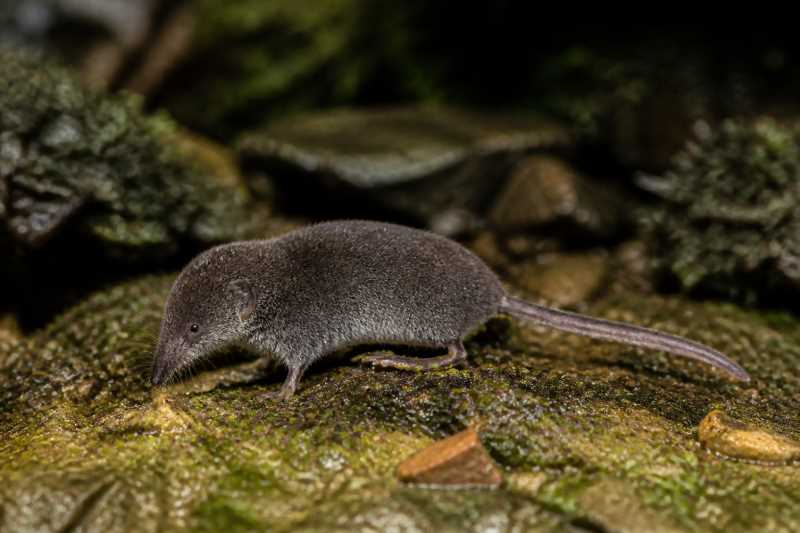
The Monteverde Small-eared Shrew is one of the smallest members of the shrew family, Soricidae. It has a compact body that typically measures between 60 to 80 millimeters in length, excluding the tail, which adds an additional 20 to 30 millimeters. This species is characterized by its small, rounded ears that are often hidden beneath its dense fur, giving it the name "small-eared." The fur is typically a dark grayish-brown, providing excellent camouflage against the forest floor.
The shrew’s snout is elongated, a common trait among shrews, aiding in its search for food. Its eyes are small, reflecting its reliance on other senses, such as touch and smell, to navigate its environment and locate prey. The limbs are short but equipped with sharp claws, making the shrew an adept digger capable of foraging through leaf litter and soil.
Range and Habitat
Cryptotis monteverdensis is endemic to the Monteverde region in Costa Rica, a location renowned for its rich biodiversity and unique cloud forest ecosystem. These forests are situated at elevations ranging from 1,400 to 1,800 meters, where moist conditions prevail year-round due to frequent cloud cover and mist. This environment supports a diverse array of flora and fauna, providing the shrew with ample cover and resources.
The shrew’s habitat is primarily composed of dense understory vegetation, which offers protection from predators and a rich hunting ground for invertebrates. The conservation of cloud forests is crucial for the survival of this species, as it is highly adapted to these specific environmental conditions.
Behavior and Diet
The Monteverde Small-eared Shrew is primarily nocturnal, spending its nights actively foraging for food. It is an insectivore, with a diet that predominantly consists of insects, spiders, earthworms, and other small invertebrates. The shrew’s metabolic rate is exceptionally high, requiring it to consume nearly its body weight in food every day.
Its behavior is marked by a constant search for food, driven by its energetic needs. The shrew uses its sensitive snout to detect prey beneath the leaf litter and soil. When food becomes scarce, it exhibits territorial behavior, aggressively defending its foraging area from other shrews.
Identification Tips (Field Recognition Cues)
Identifying the Monteverde Small-eared Shrew in the wild requires careful observation and knowledge of its distinctive features. Here are some tips for field recognition:
- Size and Shape: Look for a small, compact mammal measuring about 6 to 8 centimeters in length, excluding the tail.
- Ear Size: Its ears are small and often concealed by fur, distinguishing it from other shrew species with larger visible ears.
- Fur Color: The fur is typically dark grayish-brown, which blends with the forest floor.
- Activity Patterns: Observe for nocturnal activity and listen for rustling in the leaf litter, which may indicate its presence.
- Habitat: Focus on areas with dense understory vegetation in cloud forests at elevations between 1,400 to 1,800 meters.
Conservation Status (with Threats and Protections)
The Monteverde Small-eared Shrew is currently listed as a species of Least Concern by the IUCN Red List. However, its habitat is under threat from human activities, primarily deforestation and land conversion for agriculture and development. Climate change also poses a significant threat, as alterations in cloud cover and precipitation patterns could drastically affect its habitat.
Conservation efforts are crucial to ensure the survival of this species. Protecting the cloud forests is a priority, as these ecosystems are not only home to the shrew but also to countless other species. Existing protected areas in Costa Rica, such as the Monteverde Cloud Forest Reserve, play a significant role in conserving this unique environment. Continued research and monitoring of the shrew’s population and habitat conditions are necessary to implement effective conservation strategies.
Frequently Asked Questions
What is the Monteverde Small-eared Shrew’s primary diet?
The Monteverde Small-eared Shrew primarily feeds on insects, spiders, earthworms, and other small invertebrates. Its high metabolic rate requires it to consume nearly its body weight in food daily.
How does the Monteverde Small-eared Shrew adapt to its environment?
This shrew is highly adapted to its cloud forest environment through its dense fur for camouflage, small ears for heat conservation, and an elongated snout for foraging. Its nocturnal habits also reduce predation risks.
Why is the Monteverde Small-eared Shrew important to the ecosystem?
The Monteverde Small-eared Shrew plays a crucial role in its ecosystem by controlling insect populations and serving as prey for larger predators. Its presence indicates a healthy, biodiverse environment.
What are the main threats to the Monteverde Small-eared Shrew?
The main threats include habitat loss due to deforestation and land conversion, as well as climate change impacts on cloud forest ecosystems.
How can we help conserve the Monteverde Small-eared Shrew?
Conservation efforts should focus on protecting cloud forests through the establishment and maintenance of protected areas, promoting sustainable land use practices, and supporting research and monitoring initiatives.
Related posts