Introduction
The Central Serbian Blind Mole-rat (Nannospalax montanoserbicus) is a fascinating, subterranean mammal endemic to the Balkans. This species, part of the Spalacidae family, has evolved unique adaptations to thrive underground, making it an intriguing subject of study in mammalogy. In this article, we will explore various aspects of this species, including its physical characteristics, habitat preferences, behaviors, and conservation status, all while providing helpful identification tips for enthusiasts and researchers alike.
Physical Description
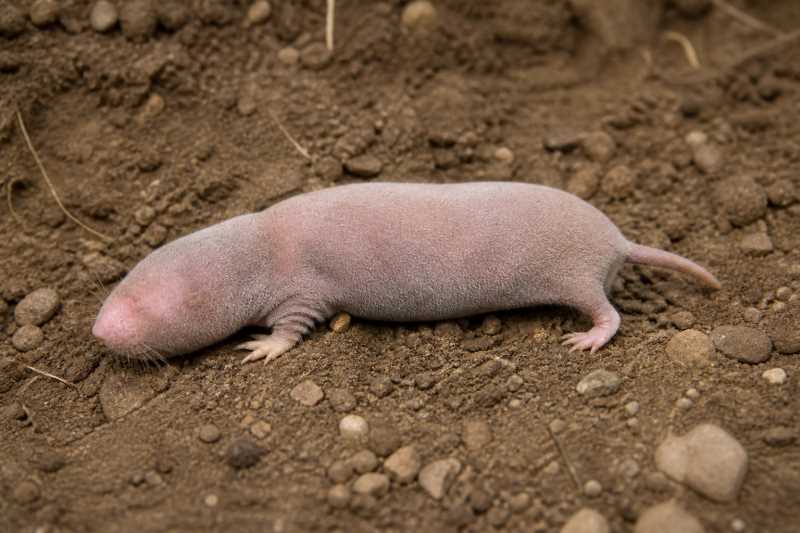
The Central Serbian Blind Mole-rat exhibits several distinct physical traits that are well-suited to its subterranean lifestyle. Adult mole-rats typically measure between 15 to 25 centimeters in length and have a cylindrical, robust body. Their fur is soft and dense, varying in shades of gray to brown, which aids in camouflaging them within the soil.
One of the most striking features of this species is its reduced eyes, which are covered by a layer of skin. This adaptation reflects its reliance on other senses, such as touch and smell, to navigate and survive underground. The mole-rat’s ears are small and lack external pinnae, further emphasizing its adaptation to subterranean life.
The Central Serbian Blind Mole-rat possesses powerful, clawed forelimbs used for digging extensive tunnel systems. Their incisors are large and protrude outside the mouth, allowing them to gnaw through roots and soil effectively. These physical traits make them formidable burrowers and efficient foragers.
Range and Habitat
The Central Serbian Blind Mole-rat is endemic to the central regions of Serbia, particularly in the mountainous areas of the Balkan Peninsula. This species prefers habitats that provide loose, well-drained soils, which facilitate their digging activities. They are commonly found in grasslands, meadows, and agricultural fields, often at elevations ranging from 200 to 1,500 meters.
These mole-rats construct intricate tunnel systems that can extend for several kilometers. Their burrows include nesting chambers, food storage areas, and specialized tunnels for waste disposal. The subterranean lifestyle offers protection from predators and harsh weather conditions, making it a key aspect of their survival strategy.
Behavior and Diet
The Central Serbian Blind Mole-rat is primarily solitary, with individuals maintaining separate tunnel systems. They are known for their territorial behavior, often aggressively defending their burrows from intruders. Communication between individuals relies on seismic signals, such as tapping the ground with their heads or feet to produce vibrations.
Their diet mainly consists of underground plant parts, such as roots, tubers, and bulbs. This herbivorous diet is complemented by occasional foraging on surface vegetation, particularly during the night. The mole-rats have specialized cheek pouches that allow them to transport food back to their burrows for storage.
Identification Tips
Identifying the Central Serbian Blind Mole-rat in the field can be challenging due to their subterranean nature. However, there are several key cues to look for:
- Soil Mounds: Look for characteristic soil mounds at the entrance of their burrows. These mounds are formed as they excavate tunnels.
- Tunnel Networks: Observe the ground for signs of extensive tunnel networks, which may be visible as raised ridges or disturbed soil.
- Vegetation Damage: Note any unusual damage to plants, particularly roots and bulbs, which may indicate the presence of mole-rats.
- Seismic Activity: Listen for subtle tapping noises emanating from the ground, which could signify mole-rat communication.
Conservation Status
The Central Serbian Blind Mole-rat is currently classified as Vulnerable on the IUCN Red List. The primary threats to this species include habitat loss due to agricultural expansion, urban development, and infrastructure projects. Additionally, the use of pesticides and rodenticides poses a significant threat to their populations.
Conservation efforts are crucial to ensuring the survival of this unique species. Protected areas and reserves provide a refuge from habitat destruction, while research initiatives aim to better understand their ecology and promote conservation awareness. Local conservation groups are also working to mitigate human-wildlife conflicts and promote sustainable agricultural practices.
Frequently Asked Questions
What is the lifespan of the Central Serbian Blind Mole-rat?
The Central Serbian Blind Mole-rat typically has a lifespan of 3 to 5 years in the wild, although they can live longer in captivity with proper care.
How do Central Serbian Blind Mole-rats communicate?
These mole-rats communicate mainly through seismic signals, such as tapping the ground, which transmits vibrations through the soil.
Are Central Serbian Blind Mole-rats endangered?
While not currently endangered, the Central Serbian Blind Mole-rat is classified as Vulnerable, facing threats from habitat loss and human activities.
What role do Central Serbian Blind Mole-rats play in their ecosystem?
They play a crucial role in soil aeration and nutrient cycling through their digging activities, which can enhance plant growth and biodiversity.
How do I protect my garden from mole-rats?
To protect gardens, consider using physical barriers like underground fences and avoid using harmful chemicals that can impact the ecosystem.
Related posts