Introduction
The Mount Giluwe Rat, scientifically known as Rattus giluwensis, is a fascinating species of rodent endemic to the high-altitude regions of Papua New Guinea. This elusive mammal has captured the interest of biologists and conservationists due to its unique adaptations to mountainous habitats and its limited distribution range. As with many species inhabiting remote areas, the Mount Giluwe Rat faces specific ecological challenges and opportunities for study. This article delves into the various aspects of the Mount Giluwe Rat’s biology, ecology, and conservation status.
Physical Description
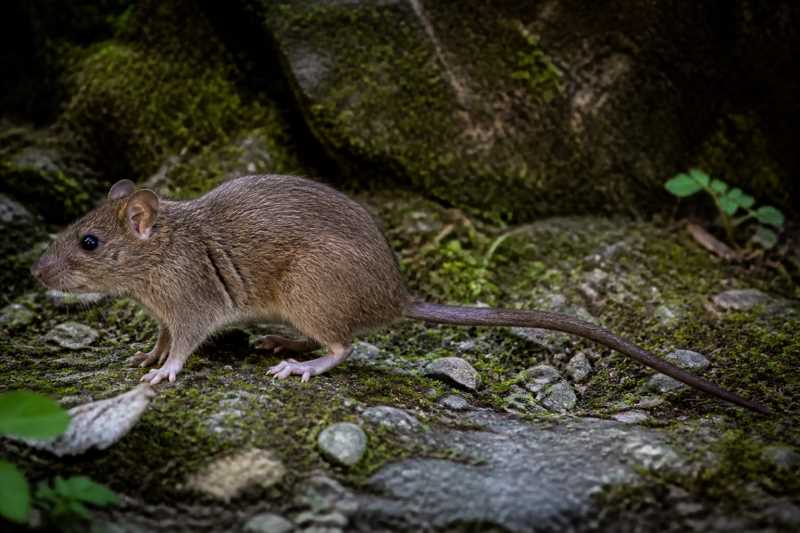
The Mount Giluwe Rat is a medium-sized rodent characterized by its distinctive fur and robust body structure. Adults typically measure between 15 to 18 centimeters in body length, with a tail that is almost equal in length to the body. The tail is covered in sparse hair, which aids in balance and agility among the rocky terrains of its habitat.
The fur of the Mount Giluwe Rat is dense and soft, primarily serving as insulation against the cold temperatures of its high-altitude environment. The dorsal coloration is generally a mix of brown and gray, providing camouflage against the rocky and vegetative ground, while the underbelly is lighter, ranging from off-white to a pale gray. The ears are relatively small and rounded, a feature that minimizes heat loss, and the eyes are well-adapted for low-light conditions, suggesting nocturnal activity.
Range and Habitat
The Mount Giluwe Rat is endemic to the Mount Giluwe region, the second-highest mountain in Papua New Guinea. This species is adapted to live at altitudes ranging from 2,800 to 3,600 meters above sea level. The environment in this region is characterized by montane forests, alpine grasslands, and rocky outcrops, providing a complex array of microhabitats.
Due to its limited range, the Mount Giluwe Rat is highly specialized. It thrives in cool, moist conditions and utilizes a variety of shelter options, including crevices in rocks and burrows beneath vegetation. The specific altitudinal zone it inhabits is crucial as it dictates the availability of food resources and shelter, both of which are critical for its survival.
Behavior and Diet
The Mount Giluwe Rat is primarily nocturnal, with most of its activity occurring during the night. This behavior is likely an adaptation to avoid predators and to cope with the temperature fluctuations typical of its high-altitude habitat. During the day, the rat takes refuge in its burrow or among rocks to conserve energy and maintain body temperature.
In terms of diet, the Mount Giluwe Rat is omnivorous, feeding on a variety of plant materials, seeds, fruits, and occasionally small invertebrates. This varied diet allows it to exploit different food resources depending on seasonal availability, which is crucial given the harsh and variable conditions of its environment.
Identification Tips (Field Recognition Cues)
Identifying the Mount Giluwe Rat in the field requires careful observation of several key characteristics:
- Size and Shape: Look for a medium-sized rodent with a robust body and a tail nearly as long as its body.
- Fur Coloration: Note the brown-gray dorsal fur and lighter underbelly, which provide camouflage against its natural backdrop.
- Habitat: This species is found exclusively at high altitudes on Mount Giluwe, so location is a critical identification cue.
- Behavior: Observing nocturnal activity can be a strong indicator, as well as any feeding signs such as gnawed vegetation or seed husks.
Conservation Status (with Threats and Protections)
The Mount Giluwe Rat is currently classified as Near Threatened on the IUCN Red List. Its restricted range makes it particularly vulnerable to habitat disturbances. The primary threats include deforestation for agriculture and climate change, which alters the delicate balance of its montane ecosystem.
Conservation efforts for the Mount Giluwe Rat focus on habitat protection and ecological research to better understand its needs and challenges. Initiatives to preserve the montane forests and grasslands are crucial, as these habitats provide the resources necessary for its survival.
Frequently Asked Questions
1. What is the typical habitat of the Mount Giluwe Rat?
The Mount Giluwe Rat inhabits high-altitude montane forests and alpine grasslands on Mount Giluwe in Papua New Guinea. It thrives in cool, moist environments with ample cover and diverse food resources.
2. How does the Mount Giluwe Rat adapt to its environment?
This species has several adaptations for high-altitude life, including dense fur for insulation, a diet that varies with seasonal availability, and nocturnal behavior to avoid predators and cope with temperature extremes.
3. What are the main threats to the Mount Giluwe Rat?
The main threats include habitat destruction due to agricultural expansion and the impacts of climate change, which can alter the delicate balance of its montane ecosystem.
4. How can we help conserve the Mount Giluwe Rat?
Conservation efforts include protecting its habitat by establishing protected areas and promoting sustainable land-use practices. Supporting ecological research can also help inform effective conservation strategies.
5. Why is the Mount Giluwe Rat important to study?
Studying the Mount Giluwe Rat can provide insights into high-altitude ecosystems and the impacts of environmental changes on endemic species. It also highlights the importance of biodiversity in maintaining ecological balance.
Related posts