Lear’s Macaw: A Symbol of Conservation Success
Introduction
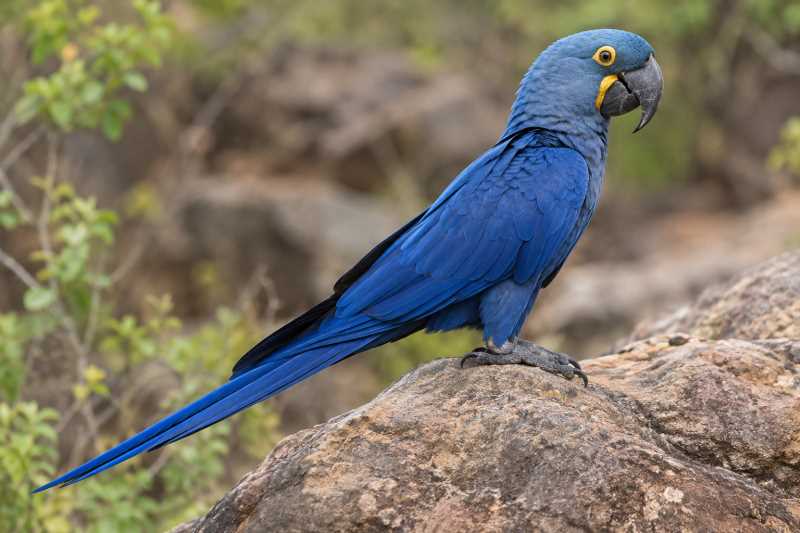
Lear’s Macaw (Anodorhynchus leari), a striking parrot species native to Brazil, is a symbol of hope and resilience in the field of avian conservation. Known for its vibrant blue plumage and charismatic presence, this species has faced significant threats in the wild but has seen a remarkable recovery due to concerted conservation efforts. This article delves into the natural history, conservation challenges, and the ongoing efforts to ensure the survival of Lear’s Macaw.
Natural History
Lear’s Macaw is endemic to Brazil, primarily found in the semi-arid region known as the Caatinga, which is characterized by its dry, thorny vegetation and unique biodiversity. These birds are especially associated with the sandstone cliffs of the Raso da Catarina, where they nest and roost.
These stunning parrots are predominantly blue, with a pale yellow patch of skin at the base of the lower mandible. Adult Lear’s Macaws can reach a length of about 75 cm (approximately 30 inches) and weigh up to 950 grams (about 2 pounds). Their diet is specialized, relying heavily on the nuts of the licuri palm (Syagrus coronata), which they crack open with their powerful beaks.
Conservation Challenges
The plight of Lear’s Macaw became a concern in the mid-20th century when habitat destruction and the illegal pet trade drastically reduced their population. By the 1980s, the species was on the brink of extinction, with estimates suggesting fewer than 100 individuals remained in the wild.
Habitat destruction due to agriculture, cattle ranching, and the extraction of licuri palms posed a significant threat. Additionally, the illegal capture of these birds for the exotic pet trade severely impacted their numbers. The remote nature of their habitat provided some protection, but it also posed challenges for conservationists attempting to monitor and protect the species.
Conservation Efforts
The conservation success story of Lear’s Macaw is a testament to the power of collaboration among local communities, governments, and international conservation organizations. In the late 1980s, the Brazilian government, alongside organizations such as the World Parrot Trust and the Loro Parque Fundación, initiated focused conservation efforts.
These efforts included habitat protection, enforcement against illegal trade, and community engagement to promote the sustainable use of natural resources. One of the most effective strategies was the protection and restoration of the licuri palm, ensuring a stable food supply for the macaws.
In addition, captive breeding programs have been established to bolster wild populations. These programs not only aim to increase the number of individuals but also to raise awareness about the plight of Lear’s Macaw and the importance of biodiversity conservation.
Current Status and Future Prospects
Thanks to these concerted efforts, the population of Lear’s Macaw has shown a remarkable recovery. As of recent estimates, the wild population has increased to over 1,200 individuals, leading to a downlisting from "Critically Endangered" to "Endangered" on the IUCN Red List.
Despite these successes, challenges remain. Ongoing threats include climate change, which could alter the macaws’ habitat and food supply, and the potential resurgence of illegal trade. Continued vigilance and adaptive management strategies are necessary to secure the future of Lear’s Macaw.
The success of Lear’s Macaw conservation serves as an inspiring example of how targeted efforts can reverse the fortunes of a species on the brink of extinction. It underscores the importance of habitat preservation, community involvement, and international cooperation in wildlife conservation.
Conclusion
Lear’s Macaw stands as a beacon for conservation success, highlighting the resilience of nature and the impact of human intervention. Protecting such species is not only vital for biodiversity but also for the cultural and ecological heritage they represent. By continuing to support and expand conservation initiatives, we can ensure that this magnificent bird remains a vibrant part of our natural world.
As we look to the future, ongoing research, monitoring, and community engagement will be critical in maintaining and building upon the progress made thus far. The story of Lear’s Macaw is a reminder that with dedication and collaboration, we can overcome seemingly insurmountable challenges and secure a better future for our planet’s wildlife.
Related posts