Eastern Chestnut Mouse (Pseudomys gracilicaudatus): A Detailed Study
Introduction
The Eastern Chestnut Mouse, scientifically known as Pseudomys gracilicaudatus, is a fascinating rodent native to Australia. This small mammal belongs to the Muridae family and plays a crucial role in the ecosystems it inhabits. Despite its significance, it remains relatively unknown to the general public. This article aims to shed light on the Eastern Chestnut Mouse’s characteristics, habitat, behavior, and conservation status.
Physical Description
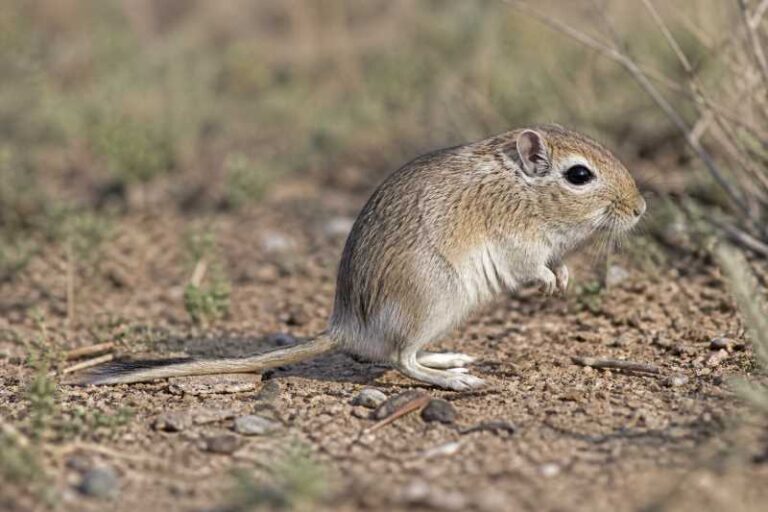
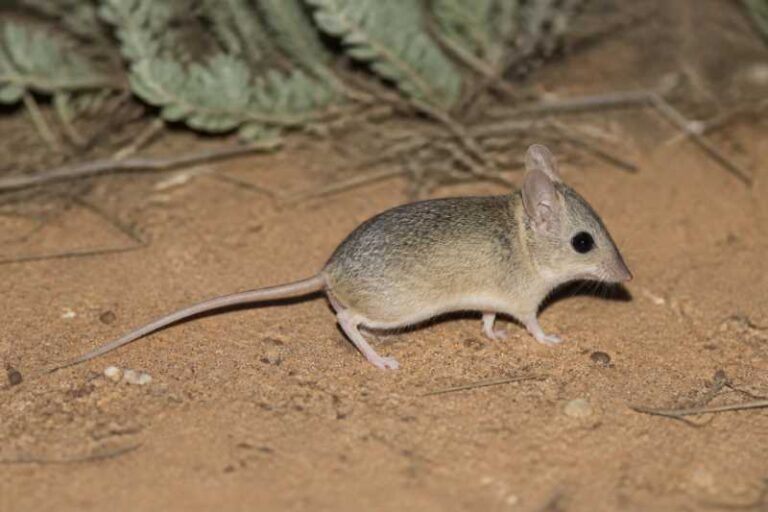
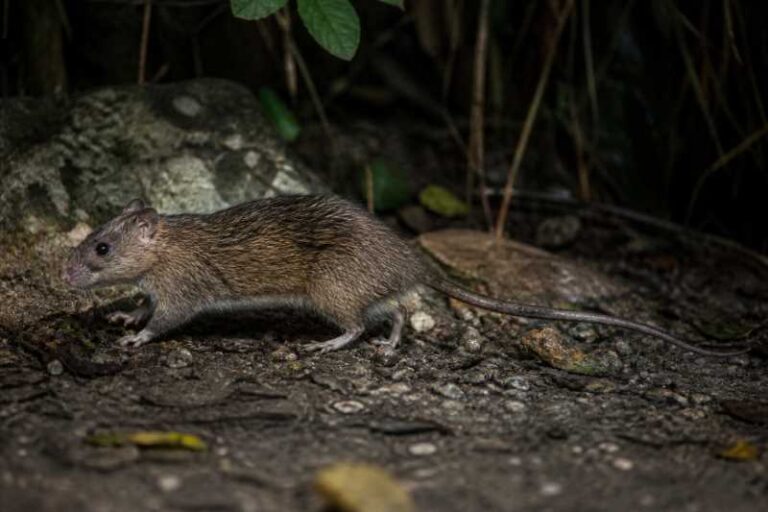
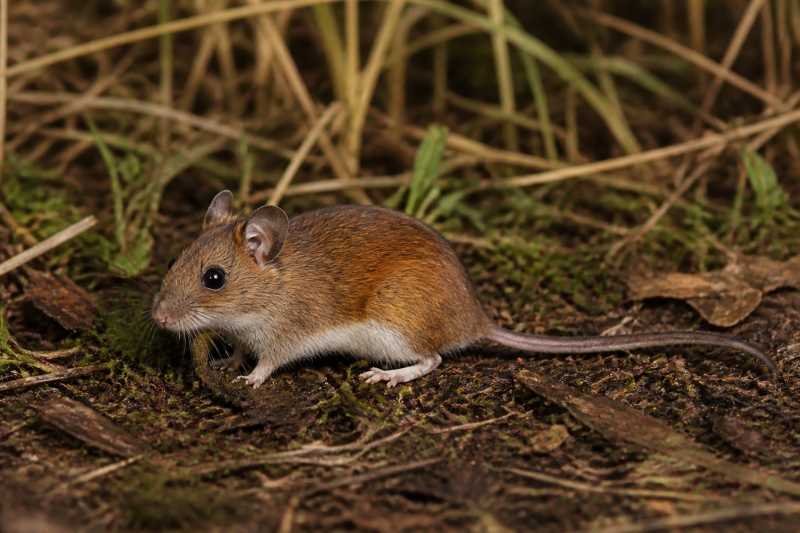
The Eastern Chestnut Mouse is a small rodent, typically measuring about 9 to 12 centimeters in body length, with a tail extending an additional 10 to 14 centimeters. This species is characterized by its soft, chestnut-brown fur, which helps it blend into its natural surroundings. The underbelly is usually a lighter, creamy color. The Eastern Chestnut Mouse has a slender build with a pointed snout, large eyes, and rounded ears, which are well-adapted for nocturnal activity.
One of the most distinctive features of the Eastern Chestnut Mouse is its tail, which is longer than its body and covered with fine hair. This adaptation aids in balance and agility, crucial for navigating its complex habitat. The mouse’s sharp claws are perfect for digging and climbing, allowing it to forage efficiently.
Range and Habitat
The Eastern Chestnut Mouse is primarily found along the eastern coast of Australia, from northeastern New South Wales to central Queensland. Its range includes a variety of habitats, such as coastal heathlands, forests, and woodlands. These environments provide the necessary cover and food resources essential for the species’ survival.
This rodent prefers habitats with dense vegetation that offer protection from predators and harsh weather conditions. The presence of fallen logs, rocks, and leaf litter is crucial, as these elements provide shelter and nesting sites. The Eastern Chestnut Mouse is also adaptable to some degree of habitat modification, often venturing into agricultural lands and gardens in search of food.
Behavior and Diet
The Eastern Chestnut Mouse is primarily nocturnal, becoming active at dusk and foraging throughout the night. It is a solitary creature but may be seen in small groups during the breeding season. The species is known for its agility and speed, which it uses to escape predators and navigate its environment efficiently.
In terms of diet, the Eastern Chestnut Mouse is omnivorous, feeding on a variety of seeds, fruits, insects, and small invertebrates. Its diet may vary depending on seasonal availability, demonstrating its adaptability to changing conditions. The mouse’s foraging behavior plays a significant role in seed dispersal, contributing to the health of its ecosystem.
Identification Tips (Field Recognition Cues)
Identifying the Eastern Chestnut Mouse in the field can be challenging due to its small size and nocturnal habits. However, there are several key characteristics to look for:
- Fur Color: Look for the distinctive chestnut-brown fur on the upper body and a lighter, creamy hue on the underbelly.
- Tail Length: The tail is notably longer than the body, aiding in identification.
- Ears and Eyes: The mouse has large, rounded ears and prominent eyes, adaptations for its nocturnal lifestyle.
- Habitat: Consider the environment. If you’re in a dense, vegetated area within its known range, it’s a prime location for spotting this species.
- Behavior: Observe its quick, agile movements, particularly at dawn or dusk.
Conservation Status (With Threats and Protections)
The Eastern Chestnut Mouse is currently classified as Least Concern by the International Union for Conservation of Nature (IUCN). However, like many native species, it faces several threats that could impact its population.
Threats
- Habitat Loss: Urbanization, agriculture, and deforestation are significant threats, leading to the loss and fragmentation of its natural habitat.
- Predation: Introduced predators like cats and foxes pose a considerable risk to the population.
- Climate Change: Altered weather patterns can affect food availability and habitat conditions.
Protections
Conservation efforts focus on habitat preservation and restoration. Protected areas and national parks within its range are crucial for maintaining stable populations. Public awareness and control of invasive species are also vital components of ongoing conservation strategies.
Frequently Asked Questions
What do Eastern Chestnut Mice eat?
Eastern Chestnut Mice have an omnivorous diet, primarily consisting of seeds, fruits, and insects. The availability of these resources varies seasonally, influencing their dietary habits.
Where can Eastern Chestnut Mice be found?
They are found along the eastern coast of Australia, from northeastern New South Wales to central Queensland. They inhabit coastal heathlands, forests, and woodlands with dense vegetation.
Are Eastern Chestnut Mice endangered?
Currently, the Eastern Chestnut Mouse is listed as Least Concern by the IUCN. However, habitat loss and introduced predators pose potential threats to their population.
How can you identify an Eastern Chestnut Mouse?
Look for chestnut-brown fur, a long tail, large ears, and prominent eyes. They are typically active at dusk and can be found in dense, vegetated areas within their range.
What role do Eastern Chestnut Mice play in the ecosystem?
They contribute to seed dispersal and soil aeration, playing a vital role in maintaining the health and balance of their ecosystems.
Related posts