Introduction
Hopkins’s Groove-toothed Swamp Rat, scientifically known as Pelomys hopkinsi, is a fascinating rodent species belonging to the family Muridae. This remarkable mammal is notable for its unique dental structure and adaptation to swampy environments. Although not widely recognized, Pelomys hopkinsi plays a significant role in the ecosystems it inhabits, contributing to both the biodiversity and the ecological balance of its habitat.
Physical Description
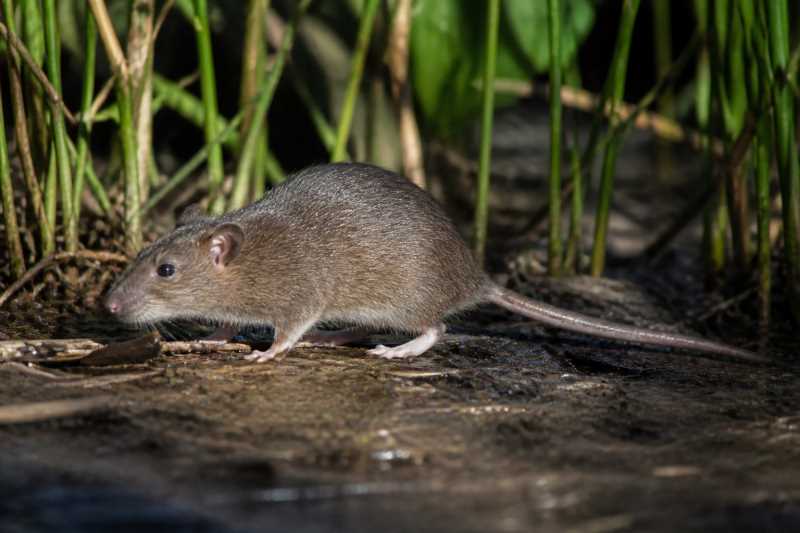
The Hopkins’s Groove-toothed Swamp Rat is medium-sized compared to other rodents, with a body length ranging from 12 to 18 centimeters, excluding the tail, which typically adds another 10 to 14 centimeters. The fur is generally dense and soft, featuring a grayish-brown coloration on the dorsal side and a lighter, creamier hue on the ventral side. One of the defining characteristics of this species is its grooved teeth, which are an adaptation for feeding on specific types of vegetation found in swamp areas.
The head of the Hopkins’s Groove-toothed Swamp Rat is relatively small, with a pointed snout and large, round ears that aid in detecting predators. The eyes are moderately sized, providing adequate vision for nocturnal activities. The limbs are short, with the hind legs slightly longer than the front, facilitating movement through the dense undergrowth of its swampy habitat.
Range and Habitat
Pelomys hopkinsi is primarily found in Central and East Africa, where it inhabits wetland areas, including swamps, marshes, and riverbanks. These rodents are particularly adapted to environments with dense vegetation and abundant water sources. Their distribution is closely tied to the availability of suitable wetlands, which offer both shelter and food resources.
The species prefers lowland areas but can occasionally be found at higher elevations if suitable habitats exist. The presence of water bodies is crucial for their survival, as it influences both their dietary habits and reproductive strategies.
Behavior and Diet
Hopkins’s Groove-toothed Swamp Rat is primarily nocturnal, engaging in most of its activities during the night. This behavior helps it avoid many diurnal predators. The species is solitary and territorial, with individuals establishing defined home ranges within which they forage and nest.
The diet of Pelomys hopkinsi consists mainly of plant material, including grasses, seeds, and aquatic vegetation. Their grooved teeth are particularly effective at processing tough plant fibers, allowing them to exploit a niche within their ecosystem. Occasionally, they may supplement their diet with small invertebrates, which provide additional nutrients.
Identification Tips (Field Recognition Cues)
Identifying Hopkins’s Groove-toothed Swamp Rat in the field requires attention to several key characteristics:
- Grooved Teeth: The species’ distinctive grooved molars are a primary identifying feature, though this is typically observed in a controlled setting.
- Fur Coloration: Look for the grayish-brown dorsal fur and lighter ventral side, which can help distinguish it from similar species.
- Habitat: Restricted to swampy environments, the presence of water bodies is a strong indicator of their potential presence.
- Size and Shape: Medium-sized with a pointed snout and large ears, these features are useful for field identification.
- Behavior: Observing nocturnal activity patterns can aid in confirming sightings.
Conservation Status (With Threats and Protections)
Currently, the IUCN Red List categorizes Hopkins’s Groove-toothed Swamp Rat as Least Concern due to its relatively stable population across a wide range. However, ongoing threats could impact its status in the future. Key threats include habitat destruction and alteration due to agricultural expansion, wetland drainage, and urbanization.
Conservation measures are essential to safeguard this species’ future. Protecting wetland habitats through legal frameworks and promoting sustainable land-use practices are vital strategies. Conservation organizations are also working to raise awareness about the ecological importance of wetlands, thereby indirectly benefiting species like Pelomys hopkinsi.
Frequently Asked Questions
Why is this species unique?
Hopkins’s Groove-toothed Swamp Rat is unique due to its specialized dental adaptation, which allows it to feed on tough swamp vegetation. This adaptation distinguishes it from many other rodent species and highlights its ecological role within wetland environments.
What threats does this species face?
The primary threats to Pelomys hopkinsi include habitat destruction from agricultural development, wetland drainage, and urban expansion. These activities reduce the availability of suitable habitats, posing significant risks to their survival.
How can we help conserve this species?
Conservation efforts for Pelomys hopkinsi should focus on protecting wetland habitats, implementing sustainable agriculture practices, and supporting legal protections for critical environments. Public education and awareness campaigns are also crucial in promoting the importance of wetland conservation.
Where can this species be found?
Pelomys hopkinsi is found in Central and East Africa, inhabiting wetlands such as swamps, marshes, and riverbanks. Its distribution is closely linked to the availability of these specific habitats.
What do they eat?
The diet of Hopkins’s Groove-toothed Swamp Rat primarily consists of plant material, including grasses and aquatic vegetation. Their grooved teeth enable them to process tough plant fibers effectively, and they may occasionally consume small invertebrates.
Related posts