Introduction
The Buff-bellied Brush-furred Rat, scientifically known as Lophuromys luteogaster, is a fascinating mammal species that belongs to the family Muridae. This rodent is primarily found in certain regions of Africa and is known for its unique fur texture and coloration. As an integral part of its ecosystem, the Buff-bellied Brush-furred Rat plays a crucial role in seed dispersal and serves as prey for various predators. This article delves into the physical characteristics, habitat, behavior, and conservation status of this intriguing species.
Physical Description
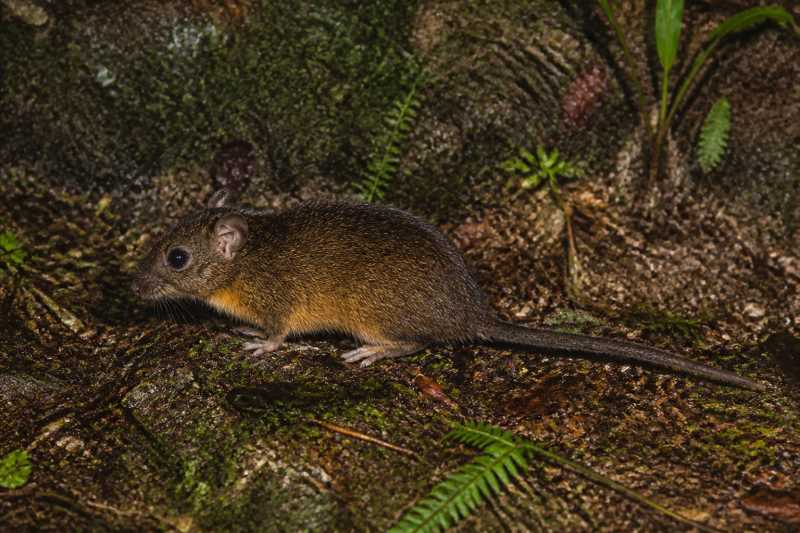
The Buff-bellied Brush-furred Rat is characterized by its distinctive fur, which is dense and has a brush-like texture. This unique fur is primarily brown with buff-colored underparts, giving the species its common name. Adult individuals typically measure between 10 to 15 centimeters in body length, with a tail that is slightly shorter than the body. The ears are rounded and relatively small, while the eyes are large and dark, adapted for low-light environments. Their robust body and sharp claws make them well-suited for digging and navigating through their dense forest habitats.
Range and Habitat
Lophuromys luteogaster is predominantly found in the tropical and subtropical regions of Central Africa. It inhabits countries such as the Democratic Republic of the Congo, Uganda, and Rwanda. The species thrives in dense undergrowth and is commonly associated with forested areas, including rainforests and montane forests. Due to its adaptability, the Buff-bellied Brush-furred Rat can also be found in secondary forests and areas undergoing regrowth after human disturbance.
The species’ preference for dense vegetation provides both shelter and abundant food sources. These rats are primarily terrestrial and are known to construct burrows or utilize natural crevices and hollow logs for nesting. Their distribution is closely tied to the availability of suitable habitat, which is increasingly threatened by deforestation and habitat fragmentation.
Behavior and Diet
The Buff-bellied Brush-furred Rat is primarily nocturnal, emerging at night to forage for food. This rodent is omnivorous, with a diet that includes seeds, fruits, insects, and small invertebrates. Their feeding habits play a significant role in seed dispersal, contributing to the regeneration of their forest habitats.
Socially, these rats are relatively solitary, although they may be observed in small family groups. Communication among individuals is facilitated through vocalizations and scent markings. During the breeding season, which varies depending on environmental conditions, females give birth to litters of two to four young after a gestation period of approximately 25 to 30 days.
Identification Tips (Field Recognition Cues)
Identifying the Buff-bellied Brush-furred Rat in the field requires attention to several key characteristics:
- Fur Texture and Color: Look for the distinctive brush-like texture of the fur, which is primarily brown with buff-colored underparts.
- Size and Shape: Note the robust body, rounded ears, and relatively short tail compared to the body length.
- Habitat Preference: These rats are typically found in dense, forested areas with ample ground cover.
- Activity Patterns: Observations are more likely at night due to their nocturnal habits.
Conservation Status (With Threats and Protections)
The Buff-bellied Brush-furred Rat is currently listed as a species of Least Concern by the International Union for Conservation of Nature (IUCN). However, this status does not imply that the species faces no threats. Habitat loss due to deforestation and agricultural expansion poses the most significant risk to the species’ long-term survival. Additionally, habitat fragmentation can lead to isolated populations, reducing genetic diversity and increasing vulnerability to environmental changes.
Conservation efforts for Lophuromys luteogaster include habitat preservation and restoration initiatives. Protected areas and national parks play a crucial role in safeguarding the natural habitats of this species. Continued research and monitoring are essential to understand population trends and inform conservation strategies.
Frequently Asked Questions
Why is this species unique?
The Buff-bellied Brush-furred Rat is unique due to its distinctive brush-like fur texture and coloration, as well as its role in forest ecosystems as both a seed disperser and prey species. Its adaptability to various forest habitats also highlights its ecological significance.
How does the Buff-bellied Brush-furred Rat contribute to its ecosystem?
This species contributes to its ecosystem by aiding in seed dispersal, which promotes forest regeneration. Additionally, it serves as prey for a variety of predators, thus playing a role in the food web.
What are the main threats to the Buff-bellied Brush-furred Rat?
The primary threats to this species include habitat loss due to deforestation and agricultural expansion. Habitat fragmentation also poses a risk by isolating populations and reducing genetic diversity.
How can we support the conservation of this species?
Supporting conservation efforts for the Buff-bellied Brush-furred Rat involves promoting habitat protection and restoration initiatives. Advocating for the preservation of national parks and protected areas is crucial, as well as supporting research and monitoring programs.
What are the key identification cues for this species?
Key identification cues include the rat’s brush-like fur texture, brown and buff coloration, robust body, and preference for dense, forested habitats. Observing their nocturnal activity patterns can also aid in identification.
Related posts