Introduction
Musser’s Harvest Mouse, scientifically known as Reithrodontomys musseri, is a small rodent species that belongs to the family Cricetidae. This elusive creature is a relatively recent addition to the scientific community’s understanding of biodiversity, having been formally described in 1981. Musser’s Harvest Mouse is named in honor of Guy G. Musser, a prominent mammalogist whose contributions to the study of rodent taxonomy have been invaluable. This species is endemic to a limited area, making it particularly interesting to researchers and conservationists alike. Despite its limited range, Musser’s Harvest Mouse plays a crucial role in its ecosystem.
Physical Description
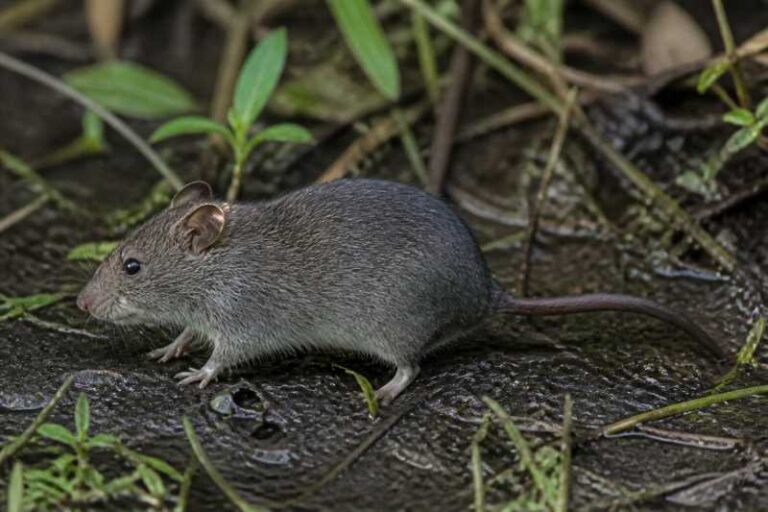
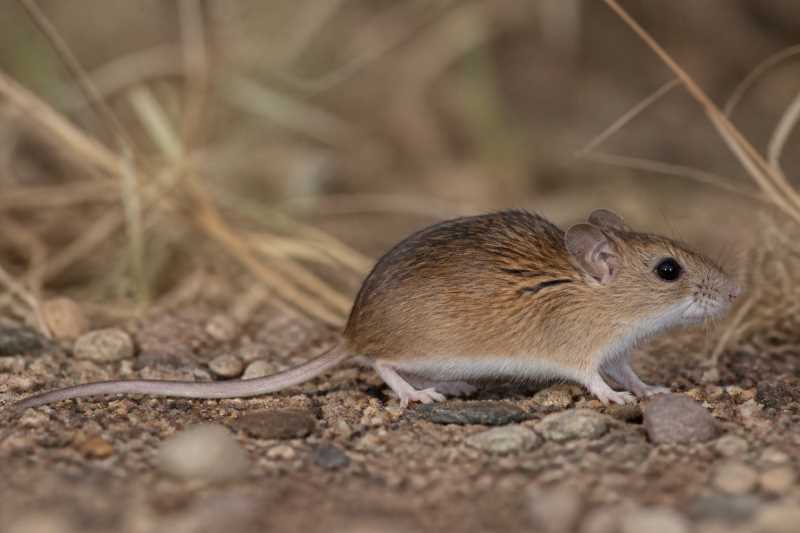
Musser’s Harvest Mouse is a small, agile rodent characterized by its distinct physical features that allow for easy identification, even by amateur naturalists. Adults typically weigh between 8 to 14 grams, which is similar to the weight of a small coin, and have a body length ranging from 6 to 8 centimeters, excluding the tail. The tail itself is notably long, often equaling or slightly exceeding the length of the body, and is sparsely furred.
The fur of Musser’s Harvest Mouse is soft and fine, with a coloration that provides excellent camouflage within its natural habitat. The dorsal side is generally a blend of brown and grey, which helps it blend seamlessly into the forest floor. The ventral side is lighter, often a pale grey or white, providing a subtle contrast. Its ears are relatively large for its body size, contributing to its excellent hearing capabilities, while its whiskers are long and sensitive, aiding in navigation through dense vegetation.
Range and Habitat
Musser’s Harvest Mouse is endemic to the montane forests of Central America, particularly in regions of northern Honduras. This limited range makes the species vulnerable to habitat disturbances. The forests where this mouse resides are characterized by their high elevation, dense undergrowth, and relatively moist conditions. These montane forests provide the necessary cover and food resources that are critical for the survival of Musser’s Harvest Mouse.
The habitat of Musser’s Harvest Mouse is often interspersed with patches of bamboo, which not only provide a food source but also serve as an ideal environment for nesting and protection from predators. The reliance on such specific environmental conditions underscores the importance of preserving these forest areas to maintain the population of this unique species.
Behavior and Diet
Musser’s Harvest Mouse is primarily nocturnal, spending the day hidden within the undergrowth or in burrows to avoid predators. At night, it becomes active, foraging for food and exploring its habitat. This species is known for its agility and climbing ability, often utilizing the vertical space within its environment to search for food or evade threats.
The diet of Musser’s Harvest Mouse is omnivorous, with a preference for seeds, fruits, and small insects. This varied diet allows it to adapt to seasonal changes in food availability. The mouse’s foraging behavior is crucial for seed dispersal within its ecosystem, making it an important player in the maintenance of forest diversity.
Identification Tips
Identifying Musser’s Harvest Mouse in the field requires keen observation and familiarity with its distinctive features. Here are some tips to help with identification:
- Size and Shape: Look for a small rodent with a slender body and a long tail, often equal to or slightly longer than its body length.
- Fur Coloration: Note the brown and grey dorsal fur, with a lighter ventral side, which is characteristic of this species.
- Ears and Whiskers: Large ears and long whiskers are prominent features that aid in identification.
- Behavior: Observe the mouse’s nocturnal activity and agile climbing, often seen during night-time foraging.
- Habitat: Check for presence in montane forests with dense undergrowth and bamboo patches.
Conservation Status
Musser’s Harvest Mouse is currently listed as Vulnerable on the IUCN Red List of Threatened Species. The primary threat to its survival is habitat loss due to deforestation and land conversion for agriculture. These activities not only reduce the available habitat but also fragment it, making it difficult for populations to maintain genetic diversity.
Conservation efforts are focused on preserving and restoring the montane forest habitats that are critical for the survival of this species. Protected areas and reserves have been established in some parts of its range, but ongoing monitoring and enforcement are necessary to ensure these efforts are effective.
Frequently Asked Questions
What is the scientific name of Musser’s Harvest Mouse?
The scientific name of Musser’s Harvest Mouse is Reithrodontomys musseri. It is named after Guy G. Musser, a noted mammalogist.
Where can Musser’s Harvest Mouse be found?
Musser’s Harvest Mouse is found in the montane forests of northern Honduras, where it inhabits high elevation areas with dense vegetation and bamboo.
What does Musser’s Harvest Mouse eat?
The diet of Musser’s Harvest Mouse is omnivorous, consisting mainly of seeds, fruits, and small insects. This varied diet supports its survival in changing environmental conditions.
Why is Musser’s Harvest Mouse considered vulnerable?
This species is considered vulnerable due to habitat loss and fragmentation caused by deforestation and agriculture. Conservation efforts are essential for its continued survival.
How can I identify Musser’s Harvest Mouse in its natural habitat?
Key identification cues include its small size, long tail, brown and grey fur, large ears, and nocturnal behavior. It is primarily found in montane forests of Central America.
Related posts