Introduction
The Short-headed Broad-nosed Bat, scientifically known as Platyrrhinus brachycephalus, is a captivating species of bat that inhabits the rich and diverse ecosystems of Central and South America. This intriguing mammal is part of the family Phyllostomidae, which is renowned for its variety of species that exhibit unique dietary and ecological roles. The Short-headed Broad-nosed Bat is a vital component of its habitat, playing significant roles in pollination and seed dispersal. This article delves into the various aspects of this species, from its physical traits to its ecological significance, offering an in-depth look at one of nature’s fascinating creatures.
Physical Description
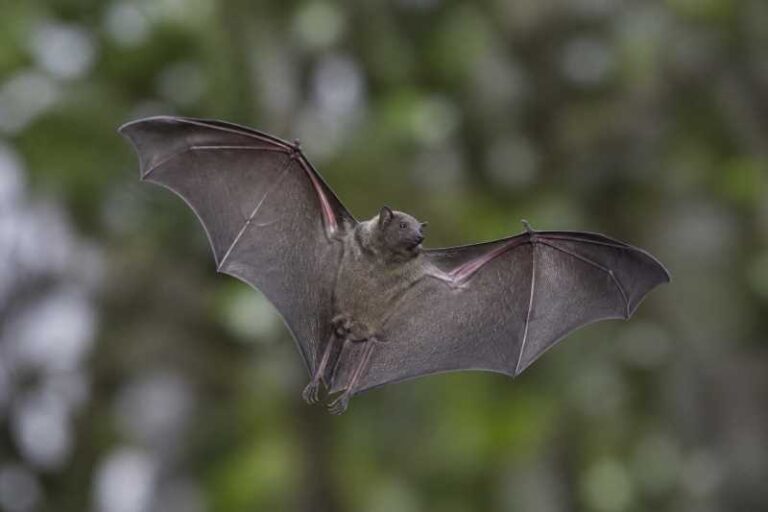
The Short-headed Broad-nosed Bat is a medium-sized bat species, characterized by its distinctively broad and short head. An average adult has a wingspan ranging between 30 to 35 centimeters and weighs about 30 to 40 grams. The bat’s fur is typically a rich brown or grayish-brown, providing excellent camouflage against the bark of trees and the foliage of the forests. Its nose-leaf, a prominent feature among the Phyllostomidae, is broad and functions as an essential mechanism for echolocation, aiding in navigation and prey detection.
The ears of the Short-headed Broad-nosed Bat are moderately large, allowing for acute hearing, which complements its echolocation abilities. Its eyes are relatively small, as is common in bat species that rely more on sound than sight. The dental structure is adapted to its diet, featuring sharp teeth that can manage a variety of food sources.
Range and Habitat
The habitat range of the Short-headed Broad-nosed Bat extends from southern Mexico through Central America and into the northern regions of South America, including countries like Colombia, Venezuela, and Ecuador. These bats thrive in tropical and subtropical environments, often inhabiting dense forest regions where food sources are abundant.
They prefer living in lowland forests, although they can also be found in montane forests at elevations up to 1,500 meters. The presence of fruit-bearing trees and flowering plants is crucial for their survival, as these provide essential nutrition and support their ecological roles in seed dispersal and pollination.
Behavior and Diet
The Short-headed Broad-nosed Bat is primarily nocturnal, engaging in foraging activities at night while roosting during the day. They roost in a variety of settings, including tree hollows, caves, and man-made structures, often forming small colonies. Their social structure is not as complex as some other bat species, but they exhibit cooperative behaviors, particularly in roosting.
Their diet is omnivorous, consisting mainly of fruit, nectar, and insects. The bats play a crucial role in their ecosystem by acting as pollinators and seed dispersers. They are particularly fond of figs, berries, and other tropical fruits. During foraging, they use echolocation to locate food and navigate through dense foliage.
Identification Tips (Field Recognition Cues)
Identifying the Short-headed Broad-nosed Bat in the field can be challenging due to its nocturnal habits and cryptic coloration. However, there are several cues that can aid in its identification:
- Unique Nose-leaf: Look for the broad, leaf-like structure on the nose, which is a distinctive feature of this species.
- Fur Coloration: The rich brown or grayish-brown fur, often with a sheen, can help distinguish it from other bats.
- Size and Shape: The medium size and the short, broad head are key characteristics.
- Echolocation Calls: Listening for their echolocation calls, which are high-pitched and rapid, can assist in identification during night surveys.
Conservation Status (With Threats and Protections)
The conservation status of the Short-headed Broad-nosed Bat is currently listed as Least Concern by the International Union for Conservation of Nature (IUCN). However, this does not mean the species is free from threats. Habitat destruction, primarily due to deforestation for agriculture and urban development, poses the most significant risk to their populations. Additionally, the use of pesticides can adversely affect their food supply by reducing insect populations.
Conservation efforts focus on habitat protection and restoration, as well as promoting sustainable agricultural practices that do not harm bat populations. Protected areas and national parks play a crucial role in providing safe habitats for these bats. Education and public awareness campaigns are also vital components of conservation strategies, aiming to highlight the ecological importance of bats and dispel myths that lead to their persecution.
Frequently Asked Questions
What is the primary diet of the Short-headed Broad-nosed Bat?
The Short-headed Broad-nosed Bat primarily feeds on fruits, nectar, and insects. They are particularly fond of figs and berries, and their diet allows them to play a vital role in seed dispersal and pollination within their ecosystem.
How do Short-headed Broad-nosed Bats contribute to their ecosystem?
These bats are essential pollinators and seed dispersers in tropical and subtropical forests. By feeding on fruits and nectar, they help in the pollination of plants and the dispersal of seeds, contributing to forest regeneration and biodiversity.
Where can the Short-headed Broad-nosed Bat be found?
The Short-headed Broad-nosed Bat is found across a range that includes southern Mexico, Central America, and the northern regions of South America. They inhabit tropical and subtropical forests, preferring areas with abundant fruit-bearing trees.
What are the main threats to the Short-headed Broad-nosed Bat?
The main threats to this species include habitat destruction due to deforestation and agricultural expansion. Pesticide use also poses a risk by reducing their insect prey populations. Conservation efforts are focused on habitat protection and sustainable land-use practices.
How can Short-headed Broad-nosed Bats be identified in the wild?
In the wild, these bats can be identified by their broad nose-leaf, medium size, short broad head, and rich brown or grayish-brown fur. Their echolocation calls are also a useful identification tool during night surveys.
Related posts