Introduction
The Eastern Meadow Vole (Microtus pennsylvanicus) is a small rodent endemic to North America. Known for its adaptability and significant role in the ecosystem, this species is a common inhabitant of grasslands, meadows, and marshlands. Often referred to as the "meadow mouse," the Eastern Meadow Vole is crucial for the food chain, serving as prey for various predators. This article delves into the Eastern Meadow Vole’s physical characteristics, habitat preferences, behaviors, and its status in the wild.
Physical Description
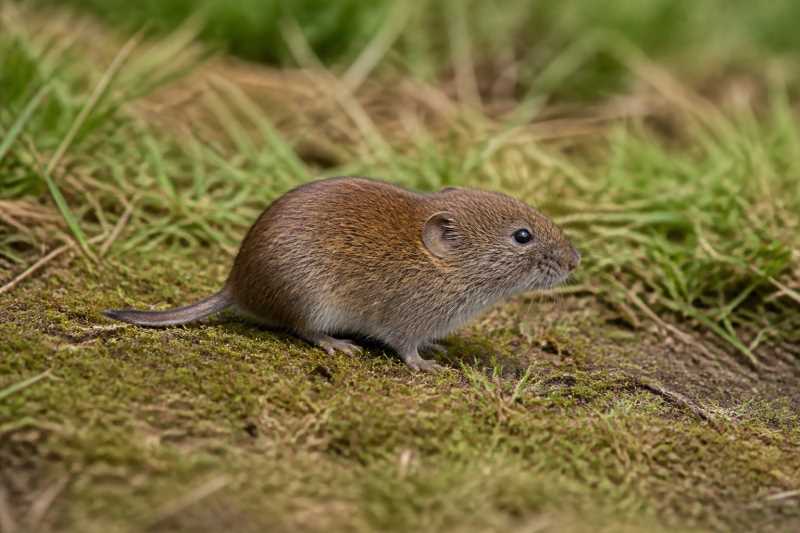
The Eastern Meadow Vole is a small, stocky rodent, typically measuring 140 to 195 mm in length, including its tail, which averages 33 to 64 mm long. It weighs between 20 to 60 grams, with males generally larger than females. Their fur is dense and soft, varying in color from dark brown to grayish brown on the upper parts, with lighter gray or silvery underparts. The ears are small and usually hidden within the fur. The legs are short, and the feet are adapted for digging and foraging.
Range and Habitat
Microtus pennsylvanicus is widely distributed across North America, from the Arctic tundra in Alaska and northern Canada to the southern United States. They are particularly prevalent in eastern and central regions. Eastern Meadow Voles thrive in a variety of environments, including meadows, grasslands, marshes, and sometimes even urban settings. They prefer areas with dense vegetation that provides cover from predators and supports their burrowing lifestyle. These voles are also known to inhabit agricultural lands, which can bring them into conflict with human activities.
Behavior and Diet
Eastern Meadow Voles are primarily nocturnal but can also be active during the day, particularly in dense vegetation where they feel secure. They are social creatures, often living in colonies. Voles construct elaborate tunnel systems in the soil, which serve as protection from predators and harsh weather. These burrows are also used for nesting and storing food.
Their diet consists mainly of grasses, seeds, and roots, but they also consume bark, tubers, and insects when available. In agricultural areas, they may feed on crops, which can lead to them being considered pests. Their feeding habits are crucial for ecosystem dynamics as they help in seed dispersion and soil aeration.
Identification Tips (Field Recognition Cues)
Identifying the Eastern Meadow Vole in the field can be challenging due to its resemblance to other vole species. Key identification tips include:
- Size and Fur Color: Look for a small, stocky rodent with dark brown to grayish-brown fur.
- Tail Length: The tail is shorter than the body and bicolored, which differentiates it from other rodents like mice.
- Habitat: Found in grassy, dense vegetative areas, often with visible runways in the grass.
- Behavior: Look for signs of gnawing on vegetation and small burrow openings.
Conservation Status (with Threats and Protections)
The Eastern Meadow Vole is currently listed as a species of Least Concern by the IUCN. Despite this, they face several threats, primarily habitat destruction due to urbanization and agricultural expansion. They are also vulnerable to pesticide use, which can reduce their food sources and directly harm them.
Conservation efforts focus on habitat preservation and restoration. Maintaining healthy populations of predators, such as hawks and owls, also helps control vole numbers naturally. In agricultural settings, integrated pest management strategies are encouraged to reduce reliance on harmful chemicals.
Frequently Asked Questions
What do Eastern Meadow Voles eat?
Eastern Meadow Voles primarily feed on grasses, seeds, and roots. They also consume bark and insects when available, especially in agricultural settings where they may feed on crops.
How do Eastern Meadow Voles affect ecosystems?
Eastern Meadow Voles play a crucial role in ecosystems by aiding in seed dispersion and soil aeration. They are also a significant food source for many predators, contributing to the food chain’s balance.
Are Eastern Meadow Voles considered pests?
In some areas, particularly agricultural lands, Eastern Meadow Voles can be considered pests due to their feeding habits on crops. However, their ecological benefits often outweigh these concerns in natural settings.
How can you identify an Eastern Meadow Vole?
To identify an Eastern Meadow Vole, look for a small, stocky rodent with dark brown to grayish-brown fur, a short bicolored tail, and small ears. They are often found in dense vegetative areas.
What threats do Eastern Meadow Voles face?
Eastern Meadow Voles face threats from habitat destruction, pesticide use, and urbanization. Conservation efforts focus on habitat preservation and promoting natural predator populations.
Related posts