Introduction
The Brazilian Tuco-tuco, scientifically known as Ctenomys brasiliensis, is a fascinating subterranean rodent found in South America. This species is part of the family Ctenomyidae and is one of the many species of tuco-tucos, which are known for their burrowing habits and distinct vocalizations. The name "tuco-tuco" is derived from the repetitive "tuc-tuc" sound these creatures make. Known for their unique adaptations to a life underground, Brazilian Tuco-tucos play a significant role in their ecosystems, influencing soil composition and structure, and serving as prey for a variety of predators. This article delves into the various aspects of the Brazilian Tuco-tuco’s life, covering everything from its physical description and habitat to its behavior and conservation status.
Physical Description
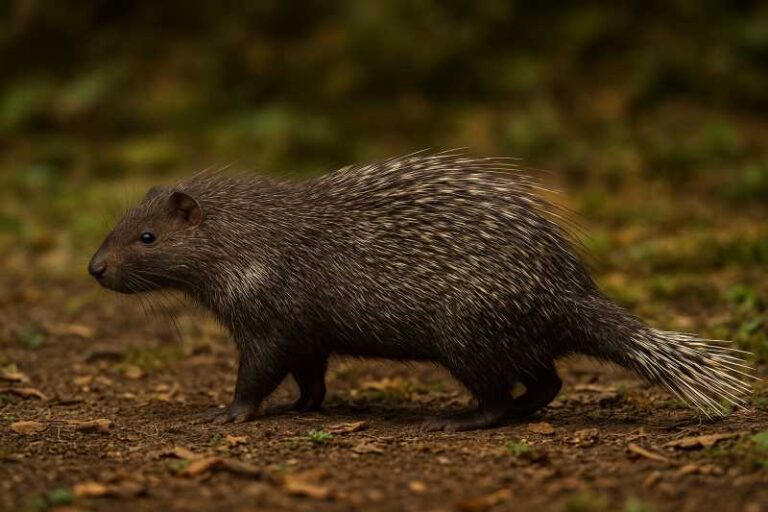
The Brazilian Tuco-tuco is a small to medium-sized rodent, typically measuring between 20 to 25 centimeters in length, with a weight ranging from 200 to 400 grams. These rodents have a robust, cylindrical body adapted for a burrowing lifestyle. Their fur is generally soft and dense, with coloration that ranges from shades of brown to gray, providing excellent camouflage against the soil and vegetation of their natural habitats.
One of the distinctive features of the Brazilian Tuco-tuco is its powerful forelimbs equipped with strong claws. These adaptations are essential for digging and navigating through their extensive burrow systems. Their hind limbs are relatively shorter, reflecting their specialization in underground living. The tail is short and often covered with sparse hair, aiding in balance and sensory functions while maneuvering in tunnels.
The head of the Brazilian Tuco-tuco is broad, with small eyes and ears that are adapted to minimize the ingress of dirt while burrowing. Their incisors are large and ever-growing, perfect for gnawing through tough roots and underground vegetation.
Range and Habitat
The Brazilian Tuco-tuco is predominantly found in the central and southern regions of Brazil. Their range includes various habitats such as grasslands, savannas, and open woodlands. These rodents are highly adaptable and can thrive in areas with sandy or loose soil, which facilitates easier burrowing.
Their burrow systems are complex and can extend several meters underground. These burrows serve multiple purposes, including protection from predators, temperature regulation, and as sites for nesting and food storage. The tuco-tuco’s preference for specific soil types often influences their distribution, with populations being more concentrated in areas with suitable digging conditions.
Behavior and Diet
Brazilian Tuco-tucos are primarily solitary animals, coming together only during the breeding season. They are known for their territorial behavior, with individuals vigorously defending their burrow systems from intruders. Communication among tuco-tucos is facilitated through vocalizations, which are believed to play a role in territory establishment and mating.
The diet of the Brazilian Tuco-tuco is mainly herbivorous, consisting of underground plant parts such as roots, tubers, and bulbs. They have also been known to consume grasses and seeds. Their feeding habits are crucial for the ecosystem as they aid in seed dispersal and soil aeration, promoting plant growth.
Identification Tips (Field Recognition Cues)
Identifying the Brazilian Tuco-tuco in the field can be challenging due to their subterranean lifestyle. However, there are several cues that can aid in their identification:
- Burrow Entrances: Look for characteristic mounds of soil near the entrances of their burrows. These mounds are often circular and can be a telltale sign of tuco-tuco presence.
- Vocalizations: Listen for their distinct "tuc-tuc" calls, especially during the early morning or late afternoon when they are most active above ground.
- Digging Signs: Fresh diggings or soil disturbances in sandy or loose soil areas can indicate recent tuco-tuco activity.
- Tracks: Although rare, you may find tracks near burrow entrances, characterized by small, clawed footprints indicative of a burrowing rodent.
Conservation Status (with Threats and Protections)
As of the latest assessments, the Brazilian Tuco-tuco is not considered endangered. However, like many other species, it faces threats from habitat destruction due to agricultural expansion, urbanization, and infrastructure development. These activities lead to habitat fragmentation and can disrupt their burrowing habitats.
Climate change also poses a potential threat by altering the ecosystems and soil conditions that tuco-tucos rely on. Despite these challenges, the Brazilian Tuco-tuco benefits from residing in several protected areas where conservation efforts help mitigate some of the threats they face.
Conservation measures for the Brazilian Tuco-tuco include habitat preservation and restoration, as well as research initiatives aimed at understanding their ecology and behavior better. Public awareness and education campaigns are also vital in promoting coexistence between human activities and tuco-tuco populations.
Frequently Asked Questions
1. What is the lifespan of a Brazilian Tuco-tuco?
The average lifespan of a Brazilian Tuco-tuco in the wild is around 3 to 5 years. However, this can vary based on environmental conditions and predation pressures.
2. How do Brazilian Tuco-tucos contribute to their ecosystem?
Brazilian Tuco-tucos play a critical role in their ecosystem by aerating the soil through their digging activities. This improves soil health and promotes plant growth. Additionally, they aid in seed dispersal, which helps maintain plant diversity.
3. Are Brazilian Tuco-tucos social animals?
Generally, Brazilian Tuco-tucos are solitary animals. They maintain individual burrow systems and are known for their territorial nature. Exceptions occur during the breeding season when they interact for mating purposes.
4. What adaptations do Brazilian Tuco-tucos have for underground living?
These rodents have several adaptations for subterranean life, including powerful forelimbs with claws for digging, small eyes and ears to reduce dirt ingress, and a cylindrical body shape that facilitates movement through tunnels.
5. Are there any conservation efforts in place to protect the Brazilian Tuco-tuco?
Yes, there are conservation efforts aimed at habitat preservation and research initiatives to better understand the species. Protected areas in Brazil also help conserve their natural habitats.
Related posts