Introduction
Dahl’s Jird, scientifically known as Meriones dahli, is a captivating rodent species belonging to the family Muridae. This small mammal is a member of the gerbil subfamily, which is renowned for its adaptability to arid environments. Known for its agility and social behavior, Dahl’s Jird is an intriguing subject for both researchers and wildlife enthusiasts alike. This article delves into the various aspects of Dahl’s Jird, including its physical characteristics, habitat, behavior, and conservation status.
Physical Description
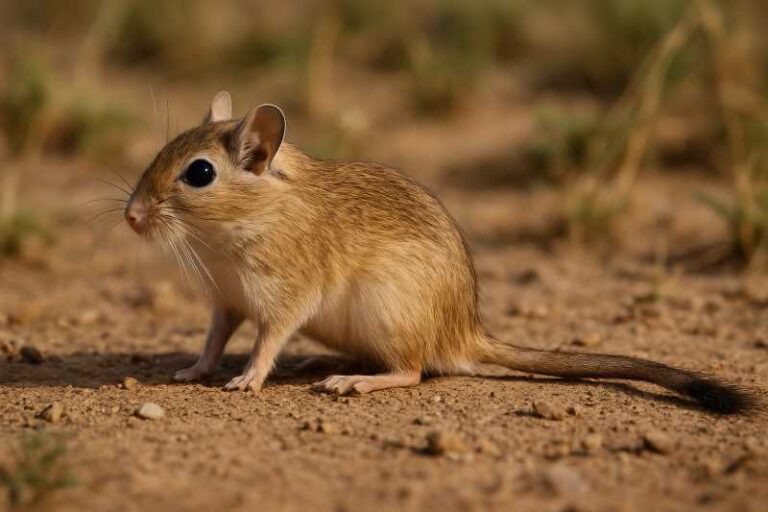
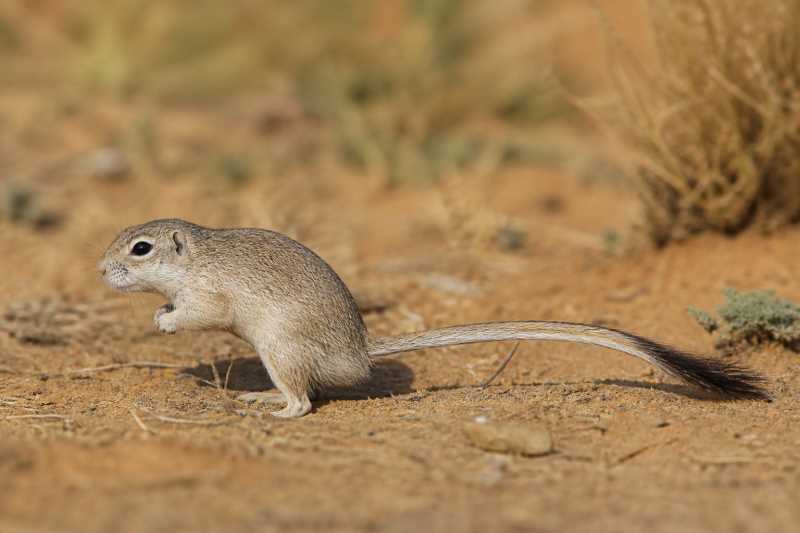
Dahl’s Jird is a medium-sized rodent characterized by its robust body and long tail. Adults typically weigh between 50 to 100 grams and measure around 20 to 25 cm in length, including the tail. The fur of Dahl’s Jird is soft and dense, primarily exhibiting a sandy or reddish-brown coloration that provides excellent camouflage in its natural habitat. The underbelly is usually lighter, often white or pale gray.
The species possesses large, dark eyes which are well-adapted for low-light conditions, aiding in its crepuscular lifestyle. Its ears are relatively small and rounded, minimizing water loss in desert environments. The hind legs of Dahl’s Jird are particularly strong, enabling it to leap significant distances, a crucial adaptation for escaping predators.
Range and Habitat
Dahl’s Jird inhabits a variety of arid and semi-arid regions. Its range primarily includes parts of the Middle East and Western Asia, with populations found in countries such as Syria, Turkey, and Armenia. The species favors open, dry landscapes such as steppes and semi-deserts where it can dig extensive burrow systems.
These burrows provide shelter from extreme temperatures and predators. Dahl’s Jird is also known to inhabit agricultural lands, where it can find abundant food sources. Its adaptability to different environments makes it a resilient species capable of surviving in harsh conditions.
Behavior and Diet
Dahl’s Jird is primarily nocturnal and crepuscular, meaning it is most active during the twilight hours of dawn and dusk. This behavior helps it avoid the extreme heat of the day. The species is highly social, often living in groups that communicate through a series of vocalizations and scent markings.
The diet of Dahl’s Jird is omnivorous, primarily consisting of seeds, grains, and various plant materials. It also consumes insects and small invertebrates, which provide essential proteins and nutrients. The ability to store food in its burrow allows Dahl’s Jird to survive periods of scarcity.
Identification Tips (Field Recognition Cues)
Identifying Dahl’s Jird in the field requires attention to several key characteristics:
- Fur Coloration: Look for the distinctive sandy or reddish-brown fur with a lighter underbelly.
- Tail: The tail is long and hairy, often with a darker tip.
- Body Size: Note the medium body size with a robust appearance.
- Behavior: Observe the social and agile behavior, especially during dawn and dusk.
- Habitat: Consider the arid or semi-arid environment, often near burrow entrances.
Conservation Status (With Threats and Protections)
The conservation status of Dahl’s Jird is currently listed as "Least Concern" by the International Union for Conservation of Nature (IUCN). Despite this classification, the species faces several threats that could impact its populations in the future.
Threats:
- Habitat Loss: Agricultural expansion and urbanization lead to habitat fragmentation.
- Pesticides: Use of agricultural chemicals can reduce food availability and directly harm the species.
- Climate Change: Alterations in climate patterns may affect the arid environments crucial for its survival.
Protections:
- Protected Areas: Some populations benefit from residing in protected national parks and reserves.
- Research and Monitoring: Ongoing studies help track population trends and threats.
Conservation efforts focus on habitat preservation and minimizing human-induced threats to ensure the long-term survival of Dahl’s Jird.
Frequently Asked Questions
Why is this species unique?
Dahl’s Jird is unique due to its adaptability to harsh, arid environments and its social behavior. Unlike many solitary rodents, Dahl’s Jird thrives in groups, which aids in its survival and makes it a fascinating subject for study.
How does Dahl’s Jird communicate?
Dahl’s Jird communicates through a combination of vocalizations, body language, and scent markings. These communication methods help maintain social bonds and coordinate group activities.
What are the main predators of Dahl’s Jird?
Common predators of Dahl’s Jird include birds of prey, snakes, and larger mammals such as foxes. Its burrowing behavior and nocturnal lifestyle help mitigate these predation risks.
Can Dahl’s Jird be kept as a pet?
While Dahl’s Jird can be kept as a pet, it requires specific care conditions that replicate its natural habitat, including a large enclosure, a balanced diet, and social interaction with other jirds.
What is the lifespan of Dahl’s Jird?
In the wild, Dahl’s Jird typically lives for about 2 to 4 years, although individuals in captivity may live longer due to the absence of predators and consistent food supply.
Related posts