Broomstraw-spined Porcupine (Chaetomys subspinosus)
Introduction
The Broomstraw-spined Porcupine, scientifically known as Chaetomys subspinosus, is an intriguing rodent species endemic to Brazil. It is a part of the Erethizontidae family, which encompasses New World porcupines. This species, though lesser-known compared to its more famous relatives, plays a significant role in its ecosystem. This article provides a comprehensive overview of the Broomstraw-spined Porcupine, covering its physical characteristics, habitat, behavior, diet, conservation status, and more.
Physical Description
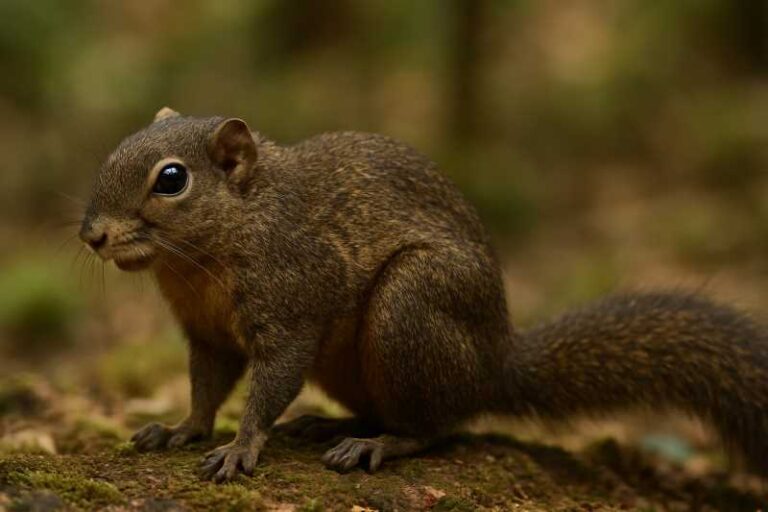
The Broomstraw-spined Porcupine is a medium-sized rodent characterized by its unique spiny coat. Unlike other porcupines, its spines are not as pronounced or rigid, resembling broomstraws, which is the origin of its common name. The spines are interspersed with softer fur, giving it a distinctive appearance.
Typically, an adult Broomstraw-spined Porcupine measures about 30 to 50 centimeters in body length, with a tail that adds another 15 to 30 centimeters. These porcupines have a somewhat rounded body, small eyes, and a blunt snout, which is adapted for their herbivorous diet. Their limbs are short, with strong claws that assist in climbing.
The coloration of their fur ranges from brown to gray, providing excellent camouflage against the forest floor and tree trunks. This adaptation is crucial for avoiding predators and staying hidden in their natural habitat.
Range and Habitat
The Broomstraw-spined Porcupine is native to the Atlantic Forest of eastern Brazil. This region is a biodiversity hotspot, home to a wide array of plant and animal species. The porcupine’s range primarily includes the states of Bahia, Espírito Santo, and Minas Gerais.
These porcupines inhabit lowland tropical forests and are often found in secondary growth areas, which provide ample food resources and shelter. They prefer areas with dense vegetation, where their ability to climb and forage in trees is advantageous. The loss of habitat due to deforestation poses a significant threat to their survival, making conservation of these forests critical.
Behavior and Diet
The Broomstraw-spined Porcupine is primarily nocturnal, spending its days resting in tree hollows or dense foliage and becoming active at night. This nocturnal lifestyle helps them avoid many diurnal predators. They are solitary creatures, coming together only for mating purposes.
Their diet is herbivorous, consisting mainly of leaves, fruits, and bark. They use their strong claws and agile climbing skills to forage for food high in the trees. This diet reflects their adaptation to the arboreal lifestyle, and they play a role in seed dispersal within their ecosystem.
Identification Tips (Field Recognition Cues)
Identifying the Broomstraw-spined Porcupine in the wild requires keen observation skills, as they are elusive and well-camouflaged. Here are some tips for recognizing this species:
- Look for Movement at Night: Since they are nocturnal, the best time to spot them is during nighttime excursions, where you may notice movement in the canopy.
- Listen for Rustling: Their movement through leaves and branches can produce a distinct rustling sound.
- Spot the Spines: Look for the unique broomstraw-like spines interspersed with softer fur on their back.
- Tree Habitats: Focus on areas with dense tree coverage, as they are arboreal and prefer such environments.
- Distinctive Tail: Their long, prehensile tail is often a giveaway, aiding in climbing and balance.
Conservation Status (with Threats and Protections)
The Broomstraw-spined Porcupine is currently classified as Vulnerable by the International Union for Conservation of Nature (IUCN). The primary threat to their survival is habitat loss due to deforestation and land conversion for agriculture and urban development.
Efforts are being made to protect their habitat through the establishment of protected areas within the Atlantic Forest. Conservation organizations are also working on reforestation projects to restore degraded areas and provide corridors for wildlife movement.
In addition to habitat protection, raising awareness about the species and its ecological role is crucial. Local communities are encouraged to participate in conservation efforts and sustainable land-use practices to ensure the survival of the Broomstraw-spined Porcupine.
Frequently Asked Questions
1. What is the diet of the Broomstraw-spined Porcupine?
The Broomstraw-spined Porcupine primarily feeds on leaves, fruits, and bark. Their diet is adapted to an arboreal lifestyle, and they are known to play a role in seed dispersal within their ecosystem.
2. Where can the Broomstraw-spined Porcupine be found?
This species is native to the Atlantic Forest of eastern Brazil, specifically in the states of Bahia, Espírito Santo, and Minas Gerais. They inhabit lowland tropical forests and are often found in secondary growth areas.
3. Why is the Broomstraw-spined Porcupine considered vulnerable?
The Broomstraw-spined Porcupine is classified as Vulnerable mainly due to habitat loss from deforestation and land conversion for agriculture and urban development. Conservation efforts are focused on protecting and restoring their natural habitat.
4. How do Broomstraw-spined Porcupines protect themselves?
These porcupines rely on their broomstraw-like spines for protection, which provide camouflage and a deterrent to predators. Their nocturnal and arboreal lifestyle also helps them avoid many threats.
5. What are the main conservation efforts for this species?
Conservation efforts include establishing protected areas, reforestation projects, and community engagement in sustainable land-use practices to preserve the Broomstraw-spined Porcupine’s habitat and ensure its survival.
Related posts