Introduction
The Antelope Jackrabbit, scientifically known as Lepus alleni, is an intriguing mammal species that captivates wildlife enthusiasts with its unique adaptations and remarkable behavior. Native to the semi-arid regions of North America, this species is not only a vital component of its ecosystem but also an excellent subject for ecological studies. Understanding the Antelope Jackrabbit’s physical characteristics, habitat preferences, and behavioral patterns offers insights into its survival strategies and ecological significance.
Physical Description
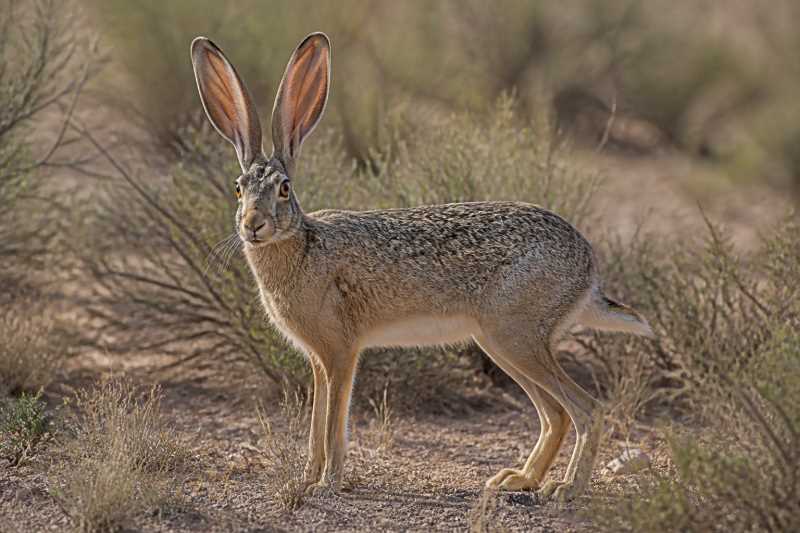
The Antelope Jackrabbit is a striking creature, renowned for its impressive size and distinct physical features. Adult Antelope Jackrabbits typically weigh between 8 to 10 pounds (3.6 to 4.5 kilograms) and measure 18 to 24 inches (45 to 61 centimeters) in length. One of the most defining characteristics of the species is its exceptionally long ears, which can reach up to 8 inches (20 centimeters) in length. These large ears are not just for show; they play a crucial role in thermoregulation, allowing the jackrabbit to dissipate heat in its hot, arid environment.
The fur of the Antelope Jackrabbit is primarily grayish-brown with a white underbelly, providing effective camouflage against the desert landscape. The name "Antelope" is derived from the white fur on the sides of its body, which resembles the markings of pronghorn antelopes. This coloration serves as an adaptive advantage, helping the jackrabbit blend into its surroundings and avoid predators.
Range and Habitat
Antelope Jackrabbits are indigenous to the southwestern United States and northern Mexico. Their range extends across southern Arizona, southwestern New Mexico, and the Mexican states of Sonora and Sinaloa. The species thrives in semi-arid regions, particularly in desert scrublands, grasslands, and open areas with sparse vegetation. These environments provide the jackrabbit with both the cover needed to evade predators and the open space required for its distinctive high-speed escapes.
The choice of habitat is critical for the Antelope Jackrabbit’s survival. The availability of food resources, adequate cover, and a favorable microclimate are essential factors influencing their distribution. During the hotter parts of the day, jackrabbits often seek shelter under shrubs or burrow into the ground to escape the intense heat.
Behavior and Diet
Antelope Jackrabbits are crepuscular, meaning they are most active during the early morning and late afternoon when temperatures are cooler. This behavior reduces the risk of overheating and predation. Their large ears not only help in thermoregulation but also provide acute hearing, allowing them to detect approaching predators from a distance.
The diet of the Antelope Jackrabbit primarily consists of herbaceous plants, grasses, and cacti. They are opportunistic feeders and have adapted to consume a variety of plant materials available in their arid habitats. The moisture content in their food helps meet their hydration needs, minimizing their dependence on water sources.
In addition to their feeding habits, Antelope Jackrabbits are known for their remarkable speed and agility. When threatened, they can leap up to 10 feet in a single bound and reach speeds of up to 40 miles per hour (64 kilometers per hour), making them one of the fastest mammals in North America.
Identification Tips (field recognition cues)
Identifying an Antelope Jackrabbit in the wild can be a rewarding experience, especially for wildlife enthusiasts and researchers. Here are some key field recognition cues to help identify this species:
- Size and Shape: Look for a large, robust hare with long legs and an elongated body. The Antelope Jackrabbit is notably larger than other hare species in its range.
- Ear Length: The exceptionally long ears are a hallmark of the species. They are not only long but also broad at the base, which distinguishes them from other hares.
- Coloration: Notice the grayish-brown fur with a white underside. The white flanks, resembling antelope markings, are a distinctive feature.
- Behavior: Observe their movement patterns. Antelope Jackrabbits exhibit high-speed running and large leaps, especially when startled.
- Habitat: Spot them in desert scrublands and open grasslands, usually during dawn and dusk when they are most active.
Conservation Status (with threats and protections)
The conservation status of the Antelope Jackrabbit is currently classified as "Least Concern" by the International Union for Conservation of Nature (IUCN). Despite this relatively secure status, several factors pose threats to their populations.
Threats:
- Habitat Loss: Urbanization, agriculture, and infrastructure development can lead to habitat fragmentation and loss, adversely affecting the jackrabbit’s natural range.
- Climate Change: Alterations in climate patterns can impact the availability of food resources and suitable habitats, posing a long-term threat.
- Predation: Natural predators include coyotes, bobcats, and birds of prey, but human activities have also introduced new threats.
Protections:
- Conservation efforts focus on habitat preservation and restoration. Protected areas and wildlife corridors help maintain viable populations.
- Research and monitoring programs are essential to track population trends and assess the impacts of environmental changes.
Frequently Asked Questions
1. Where can I observe Antelope Jackrabbits in the wild? Antelope Jackrabbits can be observed in the semi-arid regions of southern Arizona and New Mexico, as well as in the Mexican states of Sonora and Sinaloa. Look for them in desert scrublands and grasslands, particularly during dawn and dusk.
2. How do Antelope Jackrabbits avoid predators? Antelope Jackrabbits use their speed and agility to evade predators. They can reach speeds of up to 40 miles per hour and leap up to 10 feet in a single bound. Their large ears also provide keen hearing to detect threats early.
3. What do Antelope Jackrabbits eat? Their diet consists mainly of herbaceous plants, grasses, and cacti. They are well-adapted to their arid environment and obtain moisture from their food, reducing their need for direct water sources.
4. Are Antelope Jackrabbits endangered? Currently, Antelope Jackrabbits are classified as "Least Concern" by the IUCN. However, habitat loss and climate change pose potential threats to their populations.
5. What adaptations help Antelope Jackrabbits survive in the desert? Key adaptations include their long ears for thermoregulation, efficient water use from food, and their ability to run at high speeds to escape predators.
Related posts