Red-fronted Brown Lemur (Eulemur rufifrons): An In-Depth Look
Introduction
The Red-fronted Brown Lemur, scientifically known as Eulemur rufifrons, is a captivating primate species endemic to Madagascar. With its intriguing social behaviors and distinctive physical features, this lemur has garnered significant attention among primatologists and wildlife enthusiasts alike. Understanding the ecology, behavior, and conservation status of the Red-fronted Brown Lemur is crucial, as they play a vital role in the biodiversity of Madagascar’s unique ecosystems.
Physical Description
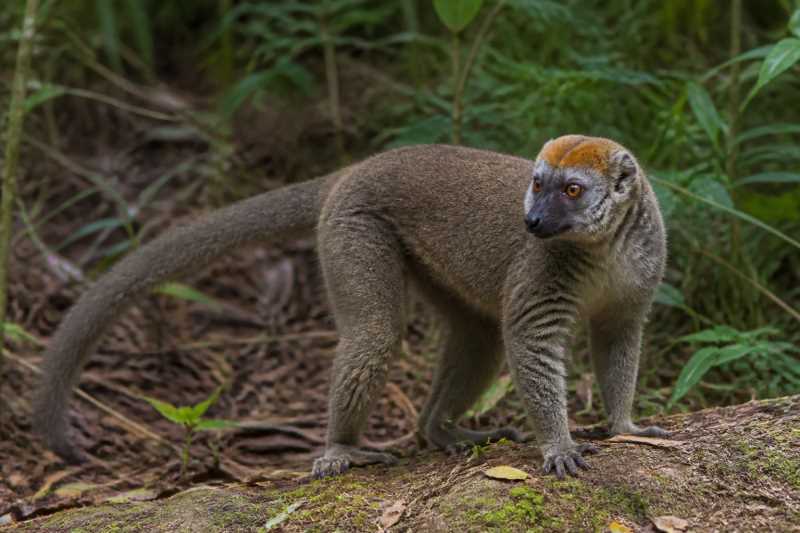
The Red-fronted Brown Lemur is a medium-sized primate, exhibiting sexual dimorphism, which means males and females have different physical characteristics. Males typically have a gray-brown coat with a rufous or reddish-brown forehead, which is a defining feature of the species. Females, on the other hand, are generally lighter in color, with a more muted rufous tinge on their foreheads.
Both genders possess a long, bushy tail that aids in balance as they navigate the forest canopy. Their expressive eyes are surrounded by dark facial markings, giving them a striking appearance. Adult Red-fronted Brown Lemurs generally weigh between 2 to 2.5 kilograms and measure approximately 40 to 50 centimeters in body length, excluding the tail.
Range and Habitat
The geographical range of the Red-fronted Brown Lemur is confined to the southwestern and western regions of Madagascar. They inhabit a variety of forest types, including dry deciduous forests, rainforests, and gallery forests. These lemurs are highly adaptable and can often be found in areas disturbed by human activity, although they prefer habitats with dense vegetation that offer ample food and shelter.
The lemurs’ adaptability to different forest types is a testament to their ecological flexibility. However, this also means that they are often in close proximity to human developments, which can pose several threats to their survival.
Behavior and Diet
Red-fronted Brown Lemurs are diurnal, meaning they are active during the day. They are social animals, typically living in groups ranging from 4 to 18 individuals. These groups consist of multiple males and females, and they exhibit a fission-fusion social structure, where group size and composition can change frequently.
Their diet is omnivorous, comprising a mix of fruits, leaves, flowers, and occasionally insects and small vertebrates. This dietary flexibility allows them to thrive in various forest environments. During the dry season, when fruit is scarce, they rely more heavily on leaves and flowers to sustain themselves.
Identification Tips
Identifying the Red-fronted Brown Lemur in the wild can be simplified by looking for the following features:
- Rufous Forehead: Both males and females have a distinct reddish-brown forehead, although it is more pronounced in males.
- Tail: A long, bushy tail that is often held high as they move through the trees.
- Facial Markings: Dark facial markings around the eyes contrast with the lighter fur.
- Social Behavior: Look for groups of lemurs rather than solitary individuals, as they are highly social.
- Vocalizations: Listen for their distinctive calls, which are used to communicate within the group.
Conservation Status
The Red-fronted Brown Lemur is currently classified as "Near Threatened" on the IUCN Red List. The primary threats to their survival include habitat destruction due to slash-and-burn agriculture, illegal logging, and hunting. As human populations expand, these threats intensify, reducing the available habitat for these lemurs.
Conservation efforts are underway to protect their natural habitats, with several protected areas established in Madagascar. Conservationists are also working to promote sustainable land-use practices and raise awareness about the importance of preserving lemur habitats. Ecotourism is another avenue being explored to provide economic incentives for local communities to protect these remarkable animals.
Frequently Asked Questions
How do Red-fronted Brown Lemurs communicate?
Red-fronted Brown Lemurs utilize a variety of vocalizations to communicate with each other. These include alarm calls to warn of predators, contact calls to maintain group cohesion, and territorial calls to ward off rival groups.
What is the lifespan of a Red-fronted Brown Lemur?
In the wild, Red-fronted Brown Lemurs typically live for about 20 years. In captivity, with fewer threats and ample care, they can live up to 25 years.
Are Red-fronted Brown Lemurs endangered?
While not currently classified as endangered, the Red-fronted Brown Lemur is considered "Near Threatened" due to habitat loss and hunting pressures. Conservation efforts are crucial to prevent further decline.
What do Red-fronted Brown Lemurs eat?
Their diet is highly varied and includes fruits, leaves, flowers, and occasionally insects. This omnivorous diet allows them to adapt to different seasonal food availability.
How can I help protect Red-fronted Brown Lemurs?
Supporting conservation organizations working in Madagascar, promoting sustainable tourism, and raising awareness about the threats these lemurs face can all contribute to their protection.
Related posts