Introduction
The Kakadu Dunnart (Sminthopsis bindi) is a fascinating marsupial that captures the attention of researchers and wildlife enthusiasts alike. This small carnivorous mammal belongs to the Dasyuridae family and is part of the diverse genus Sminthopsis, which is commonly known as dunnarts. The Kakadu Dunnart is particularly significant due to its restricted distribution and the unique adaptations it has developed to thrive in its specific habitat. This article delves into various aspects of the Kakadu Dunnart’s life, including its physical characteristics, habitat preferences, behavior, and conservation status.
Physical Description
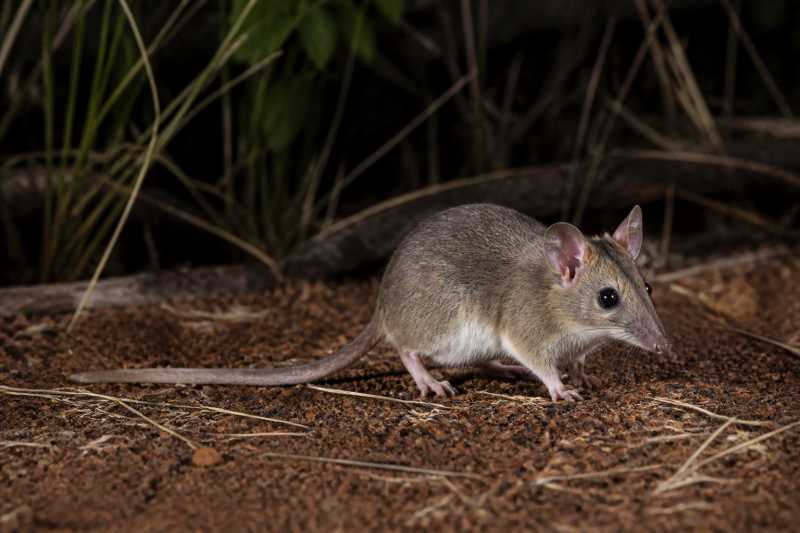
The Kakadu Dunnart is a small, nocturnal marsupial characterized by its slender build and distinctive features. Adults typically weigh between 15 and 25 grams, with a body length ranging from 70 to 100 millimeters, excluding the tail. Their tail is approximately the same length as their body and is used for balance and storing fat reserves.
The fur of the Kakadu Dunnart is generally short and dense, providing insulation against the temperature fluctuations of their environment. The dorsal side is usually a soft grayish-brown, while the ventral side is lighter, often appearing white or cream. Their large, rounded ears and pointed snout enhance their sensory abilities, which are crucial for locating prey in the dark.
One of the most notable features of the Kakadu Dunnart is its sharp teeth, which are perfectly adapted for its carnivorous diet. These teeth allow it to efficiently capture and consume a variety of small invertebrates.
Range and Habitat
The Kakadu Dunnart is endemic to the Northern Territory of Australia, with its range primarily confined to the region around Kakadu National Park. This restricted distribution makes it one of the lesser-studied members of the dunnart genus. The species favors tropical savanna habitats, particularly those that include a mix of open grassland and scattered trees or shrubs.
Within these environments, the Kakadu Dunnart often seeks shelter in crevices, under rocks, or within the dense undergrowth. These microhabitats provide protection from predators and extreme weather conditions. The species is also known to inhabit areas that have experienced recent fire activity, as these locations often have an abundance of food resources.
Behavior and Diet
The Kakadu Dunnart is predominantly nocturnal, actively hunting during the night and retreating to its shelter during the day to avoid the harsh heat. This nocturnal lifestyle is complemented by its solitary nature, with individuals only coming together for mating purposes.
The diet of the Kakadu Dunnart is primarily carnivorous, consisting of insects and other small invertebrates. Its keen sense of hearing and smell allows it to detect prey movements even in complete darkness. Once located, the dunnart uses its agile body and sharp teeth to quickly capture and consume its prey.
Breeding behavior in the Kakadu Dunnart is seasonal, with mating typically occurring during the wet season when food is plentiful. Females give birth to a small litter of underdeveloped young, which continue their development in the mother’s pouch.
Identification Tips
Identifying the Kakadu Dunnart in the field requires careful observation and knowledge of its distinctive characteristics. Key identification tips include:
- Size and Build: Look for a small, slender marsupial with a body length of 70-100 mm, excluding the tail.
- Tail: Note the tail, which is about the same length as the body, used for balance and fat storage.
- Fur Coloration: Observe the soft grayish-brown dorsal fur and lighter ventral fur.
- Ears and Snout: Large, rounded ears and a pointed snout are prominent features.
- Activity Patterns: Active during the night, often found in tropical savanna habitats.
Conservation Status
The conservation status of the Kakadu Dunnart is currently categorized as Data Deficient by the International Union for Conservation of Nature (IUCN). This classification highlights the need for more comprehensive studies to determine the population size and trends of this species.
Despite its elusive nature, several threats to the Kakadu Dunnart have been identified, including habitat loss due to land clearing and changes in fire regimes. Invasive species, such as feral cats and foxes, also pose significant predation pressures.
Efforts to protect the Kakadu Dunnart are primarily focused on habitat preservation and management within Kakadu National Park. This includes controlled burning practices to maintain the ecological balance and reduce the impact of large, uncontrolled fires.
Frequently Asked Questions
What is the Kakadu Dunnart’s primary habitat?
The Kakadu Dunnart primarily inhabits tropical savanna environments within the Northern Territory of Australia. These areas feature a combination of open grasslands and scattered trees or shrubs.
How does the Kakadu Dunnart find its food?
The Kakadu Dunnart relies on its heightened sense of hearing and smell to locate prey during the night. It primarily feeds on insects and small invertebrates.
Why is the Kakadu Dunnart considered Data Deficient?
The Kakadu Dunnart is classified as Data Deficient due to the lack of comprehensive studies on its population size and trends. More research is needed to assess its conservation status accurately.
What are the main threats to the Kakadu Dunnart?
The main threats to the Kakadu Dunnart include habitat loss from land clearing, altered fire regimes, and predation by invasive species such as feral cats and foxes.
How can I identify a Kakadu Dunnart in the wild?
Identifying a Kakadu Dunnart involves looking for a small, slender marsupial with distinct features such as a grayish-brown fur, large ears, and a pointed snout. It is predominantly nocturnal and found in tropical savanna habitats.
Related posts