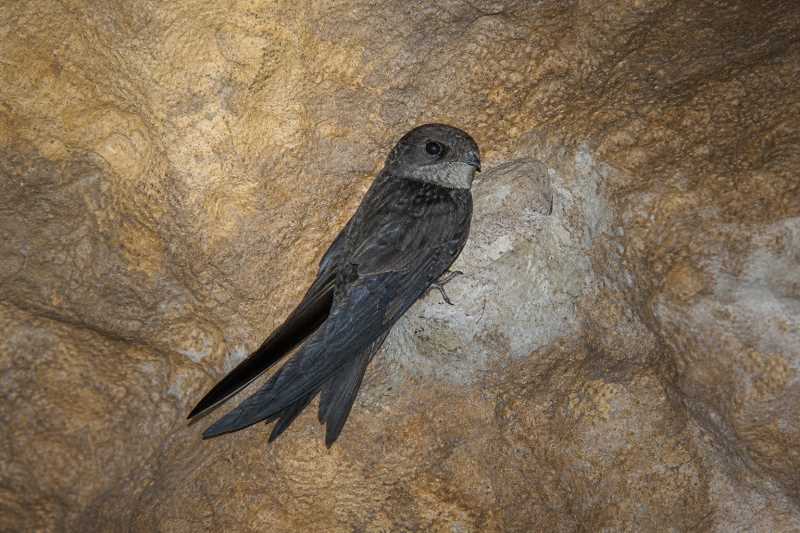
The Philippine Swiftlet (Aerodramus mearnsi): A Marvel of Nature
The Philippine Swiftlet, scientifically known as Aerodramus mearnsi, is a captivating bird species that is an integral part of the biodiversity in the Philippines. This remarkable bird, often overshadowed by more flamboyant avian species, plays a crucial role in its ecosystem and exhibits fascinating biological characteristics that make it an interesting subject of study for ornithologists and nature enthusiasts alike.
Taxonomy and Distribution
The Philippine Swiftlet belongs to the family Apodidae, which includes swifts and treeswifts. This family is known for its members’ exceptional aerial abilities, and the Philippine Swiftlet is no exception. Aerodramus mearnsi is endemic to the Philippines, meaning it is found nowhere else in the world. Its habitats are typically in the islands’ forests, caves, and cliffs where it finds shelter and breeding grounds.
The species is distributed mainly in the Mindanao region, with significant populations observed in the islands of Mindanao, Basilan, and the Sulu Archipelago. The bird’s preference for secluded and rugged terrains makes it relatively less susceptible to human disturbances, although habitat destruction remains a concern.
Physical Characteristics and Behavior
The Philippine Swiftlet is a small bird, measuring about 10 to 12 centimeters in length, with a wingspan of up to 28 centimeters. Its plumage is generally dark, ranging from dusky brown to black, which provides excellent camouflage against the rocky environments it frequents. This bird is characterized by a forked tail and long, narrow wings designed for agile and sustained flight.
One of the most fascinating aspects of the Philippine Swiftlet is its ability to echolocate. This rare trait among birds is used by the swiftlet to navigate the dark interiors of caves where it often nests. Echolocation allows it to emit audible clicks and interpret the returning sound waves to map its surroundings, avoiding obstacles and locating nesting sites with precision.
Breeding and Nesting
The breeding behavior of the Philippine Swiftlet is a testament to its adaptability and resourcefulness. These birds are known for constructing nests using saliva, which hardens upon exposure to air. The nests are typically attached to the walls of caves and cliffs, where they are safe from most predators. During the breeding season, which often coincides with the rainy months, the female lays one or two eggs. Both parents participate in incubation and feeding the chicks, showcasing a cooperative breeding strategy.
The swiftlet’s unique nesting material has cultural and economic significance. The nests, often referred to as “white gold,” are a key ingredient in bird’s nest soup, a delicacy in Chinese cuisine. This has led to some level of exploitation, although regulations are increasingly being put in place to ensure sustainable harvesting.
Ecological Significance
The Philippine Swiftlet plays an essential role in its ecosystem. As insectivores, these birds help control insect populations, maintaining a balance that benefits both natural and agricultural environments. Their presence is an indicator of a healthy ecosystem, as they require specific conditions to thrive.
Moreover, their nesting habits contribute to the nutrient cycle within cave ecosystems. The accumulation of organic material from nests and droppings supports a variety of cave-dwelling organisms, creating a unique microhabitat.
Conservation Status and Challenges
Despite their ecological importance, Philippine Swiftlets face several conservation challenges. The primary threat to their population is habitat destruction, driven by deforestation and land conversion for agriculture and urban development. Additionally, the unsustainable harvesting of nests poses a significant threat to their breeding success.
Conservation efforts are underway to protect the natural habitats of the Philippine Swiftlet and regulate nest harvesting. Legislation in the Philippines aims to conserve biodiversity hotspots and enforce sustainable practices in bird’s nest harvesting. Furthermore, awareness campaigns are crucial in educating local communities about the importance of preserving swiftlet populations.
In conclusion, the Philippine Swiftlet is a remarkable bird that embodies the unique biodiversity of the Philippines. Its adaptability, ecological role, and the challenges it faces highlight the importance of concerted conservation efforts. Protecting this species ensures the preservation of an essential part of the Philippines’ natural heritage and contributes to the broader goal of global biodiversity conservation.
Related posts