Introduction
The Solomons Flying Fox, scientifically known as Pteropus rayneri, is a fascinating and unique species of flying fox found primarily in the Solomon Islands. This remarkable mammal belongs to the order Chiroptera and is part of the Pteropodidae family, which is composed of large fruit bats known for their role in seed dispersal and pollination. As a critical part of their ecosystem, Solomons Flying Foxes play a vital role in maintaining the health and diversity of their natural habitats.
In this comprehensive guide, we will explore the physical characteristics, habitat, behavior, and conservation status of the Solomons Flying Fox. We will also provide tips for identifying this species in the wild and address some frequently asked questions about this intriguing mammal.
Physical Description
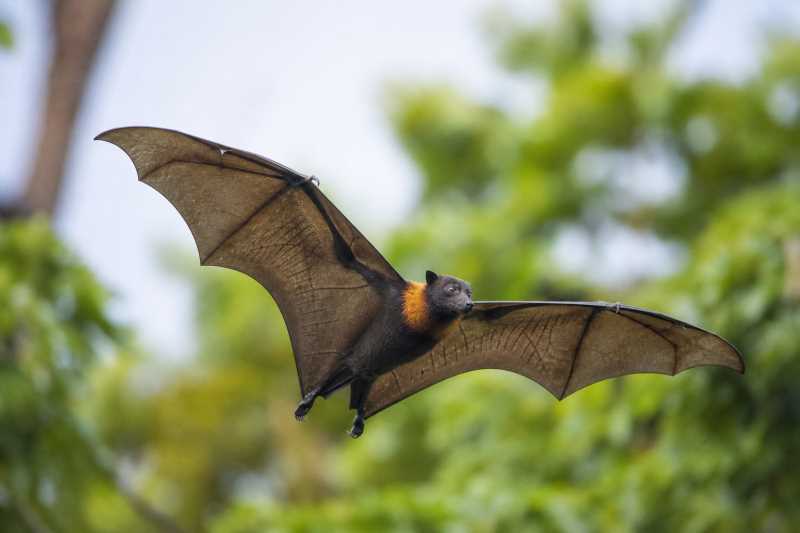
The Solomons Flying Fox is a large bat species characterized by its impressive wingspan, which can reach up to 1.5 meters. The body length of this flying fox typically ranges from 24 to 27 centimeters, making it one of the larger members of the Pteropus genus. The weight of this species can vary but generally falls between 400 to 700 grams.
The fur of the Solomons Flying Fox is soft and dense, offering insulation and protection. It exhibits a striking coloration that varies between individuals but often includes shades of brown, orange, and black. The head is typically darker, sometimes exhibiting a golden or reddish hue, while the back and wings are darker brown or black.
One of the distinguishing features of the Solomons Flying Fox is its elongated snout and large eyes, which are adaptations for its frugivorous diet. Unlike many other bat species, the Solomons Flying Fox relies heavily on its keen sense of sight and smell to locate food.
Range and Habitat
The Solomons Flying Fox is endemic to the Solomon Islands, an archipelago located in the western Pacific Ocean. This region is known for its rich biodiversity and unique ecosystems, providing an ideal habitat for this flying fox species.
The natural habitat of the Solomons Flying Fox includes tropical forests, mangroves, and coastal areas. These environments offer abundant food sources and roosting sites, essential for the species’ survival. Solomons Flying Foxes are often found in lowland forests but can also inhabit higher elevations where suitable resources are available.
The reliance on diverse habitats highlights the importance of conserving these areas to ensure the continued survival of the Solomons Flying Fox. Deforestation and habitat destruction pose significant threats to their populations, making conservation efforts crucial.
Behavior and Diet
Solomons Flying Foxes are primarily nocturnal animals, meaning they are most active during the night. During the day, they roost in large colonies, often hanging upside down from tree branches. These colonies can consist of hundreds of individuals, providing safety in numbers from predators and disturbances.
The diet of the Solomons Flying Fox is predominantly frugivorous, consisting mostly of fruits, nectar, and flowers. They play a crucial role in their ecosystem as pollinators and seed dispersers. By feeding on a variety of fruiting plants, they help promote forest regeneration and maintain the ecological balance.
In addition to fruits, Solomons Flying Foxes may consume leaves and occasionally insects, though these are not primary components of their diet. Their foraging behavior often involves flying long distances to locate food, showcasing their impressive endurance and navigational skills.
Identification Tips (Field Recognition Cues)
Identifying the Solomons Flying Fox in the wild requires keen observation and knowledge of their distinguishing features. Here are some tips to help you recognize this species:
- Wingspan and Size: Look for a large bat with a wingspan of up to 1.5 meters and a body length of 24 to 27 centimeters. Their size is a key feature distinguishing them from smaller bat species.
- Fur Coloration: Note the variation in fur colors, ranging from shades of brown and orange to black. The head is usually darker, with potential golden or reddish hues.
- Roosting Behavior: Observe their roosting habits in large colonies during daylight hours. They often hang upside down in trees, making them easier to spot.
- Activity Patterns: Since they are nocturnal, you are more likely to observe them during early evening or night when they emerge to feed.
- Flight Patterns: Solomons Flying Foxes have a slow and steady flight, unlike the rapid, erratic flight of insectivorous bats.
Conservation Status (With Threats and Protections)
The Solomons Flying Fox is currently facing several conservation challenges. Habitat destruction due to logging, agriculture, and urbanization is a significant threat to their population. Additionally, hunting for bushmeat and traditional medicine further exacerbates their decline.
The International Union for Conservation of Nature (IUCN) currently lists the Solomons Flying Fox as vulnerable. Conservation measures are essential to protect this species and their habitats. Efforts include establishing protected areas, enforcing hunting regulations, and promoting sustainable land-use practices.
Community engagement and education are crucial components of conservation strategies. Raising awareness about the ecological importance of the Solomons Flying Fox can help garner support for their protection and ensure their continued role in maintaining biodiversity.
Frequently Asked Questions
Why is this species unique?
The Solomons Flying Fox is unique due to its large size, distinctive coloration, and ecological role as a pollinator and seed disperser. Its presence is vital for maintaining the health and diversity of the ecosystems within the Solomon Islands.
What are the main threats to the Solomons Flying Fox?
The primary threats to the Solomons Flying Fox include habitat destruction from deforestation, hunting for bushmeat, and exploitation for traditional medicine. These factors significantly impact their population and survival.
How can we help conserve this species?
Conservation efforts can include supporting protected areas, promoting sustainable land-use practices, and engaging local communities in conservation initiatives. Education and awareness-raising are also key to fostering a collective effort to protect the Solomons Flying Fox.
Related posts