Introduction
The Pungent Pipistrelle, scientifically known as Hypsugo mordax, is a captivating species of bat that has intrigued scientists and enthusiasts alike. Known for its unique olfactory characteristics, this bat species offers a fascinating glimpse into the diversity of the mammal kingdom. This article delves into the various aspects of the Pungent Pipistrelle, from its physical attributes to its conservation status, providing a comprehensive understanding of this lesser-known bat species.
Physical Description
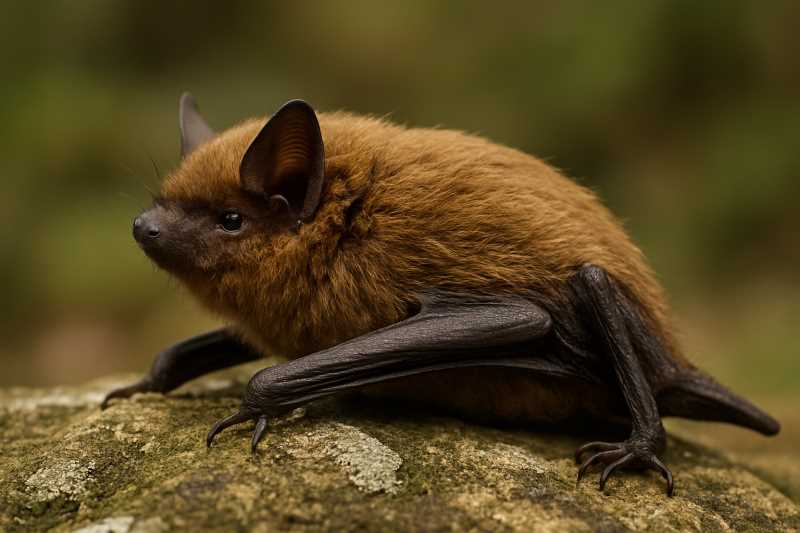
The Pungent Pipistrelle is a small bat species characterized by its distinctive features that set it apart from other members of the Vespertilionidae family. Adult Pungent Pipistrelles typically have a wingspan ranging from 20 to 25 centimeters and weigh between 5 to 8 grams. Their fur is generally a dark brown, offering excellent camouflage against tree bark and cave interiors, which are their natural habitats. The underparts are slightly lighter, creating a subtle contrast.
A defining feature of the Pungent Pipistrelle is its strong scent, which is not common among bats. This scent is believed to play a role in communication and mating, although the exact mechanisms are still under study. The bat’s ears are proportionately large, aiding in its echolocation abilities, while its snout is short and blunt.
Range and Habitat
The Pungent Pipistrelle is primarily found across various regions in Southeast Asia, with populations recorded in countries such as Thailand, Malaysia, and Indonesia. The species thrives in tropical and subtropical environments, particularly favoring dense forests and cave systems.
These bats are known to roost in tree hollows, cave crevices, and even man-made structures like abandoned buildings. Their habitat preferences make them susceptible to habitat destruction, a significant threat to their population.
Behavior and Diet
Pungent Pipistrelles are nocturnal creatures, emerging from their roosts at dusk to embark on foraging flights. Their diet predominantly consists of insects, with a particular preference for moths and beetles. They employ sophisticated echolocation to detect and capture prey mid-flight, showcasing remarkable agility.
Socially, these bats are known to form small colonies, often comprising a few dozen individuals. Mating occurs in the late summer, with females giving birth to a single pup after a gestation period of approximately two months. The strong olfactory signals emitted by these bats are hypothesized to play a crucial role during mating, possibly aiding in mate selection.
Identification Tips (Field Recognition Cues)
Identifying the Pungent Pipistrelle in the field requires keen observation skills and an understanding of their unique characteristics:
- Scent: As their name suggests, Pungent Pipistrelles have a distinctive smell, which can be a useful identification cue.
- Size and Coloration: Look for a small bat with dark brown fur and lighter underparts.
- Flight Patterns: Observe their agile and erratic flight patterns during dusk and dawn.
- Roosting Habits: Check tree hollows and cave entrances, as these are common roosting sites.
Conservation Status (With Threats and Protections)
The conservation status of the Pungent Pipistrelle is currently listed as ‘Near Threatened’ by the International Union for Conservation of Nature (IUCN). This classification stems from several factors that pose significant threats to their survival.
Threats
- Habitat Destruction: Deforestation and urban expansion have led to the loss of natural habitats, making it difficult for these bats to find suitable roosting and foraging sites.
- Pollution: Pesticide use in agriculture can reduce insect populations, affecting the food availability for these bats.
- Human Disturbance: Increased human activity in caves and forests can disrupt their natural behaviors and habitats.
Protections
Efforts to conserve the Pungent Pipistrelle include habitat protection initiatives, such as the establishment of protected areas and wildlife corridors. Additionally, education programs aimed at raising awareness about the importance of bats in ecosystems are crucial.
Frequently Asked Questions
1. What is the primary diet of the Pungent Pipistrelle?
The Pungent Pipistrelle primarily feeds on insects, with a preference for moths and beetles, which they catch using echolocation.
2. How can you identify a Pungent Pipistrelle in the wild?
Identifying a Pungent Pipistrelle involves looking for a small bat with dark brown fur, lighter underparts, and a distinctive scent. Observing their erratic flight patterns at dusk can also aid in identification.
3. Why are Pungent Pipistrelles considered near threatened?
Pungent Pipistrelles are considered near threatened due to habitat destruction, pollution, and human disturbance, which impact their natural habitats and food sources.
4. What role does scent play for the Pungent Pipistrelle?
The scent emitted by Pungent Pipistrelles is believed to be a form of communication, particularly during mating, although the exact role is still under research.
5. Where are Pungent Pipistrelles commonly found?
Pungent Pipistrelles are commonly found in Southeast Asia, inhabiting tropical and subtropical forests and caves in countries like Thailand, Malaysia, and Indonesia.
Related posts