Introduction
The Ussuri Tube-nosed Bat (Murina ussuriensis) is a fascinating member of the mammalian order Chiroptera, which encapsulates all species of bats. Renowned for its distinctive physical traits and unique ecological niche, this bat species plays a crucial role in its ecosystem. Despite its relatively obscure status compared to other bat species, Murina ussuriensis has captured the interest of researchers and conservationists alike, primarily due to its ecological significance and the pressing need to understand its conservation requirements. This article delves into various aspects of the Ussuri Tube-nosed Bat, including its physical characteristics, habitat preferences, behaviors, and conservation status.
Physical Description
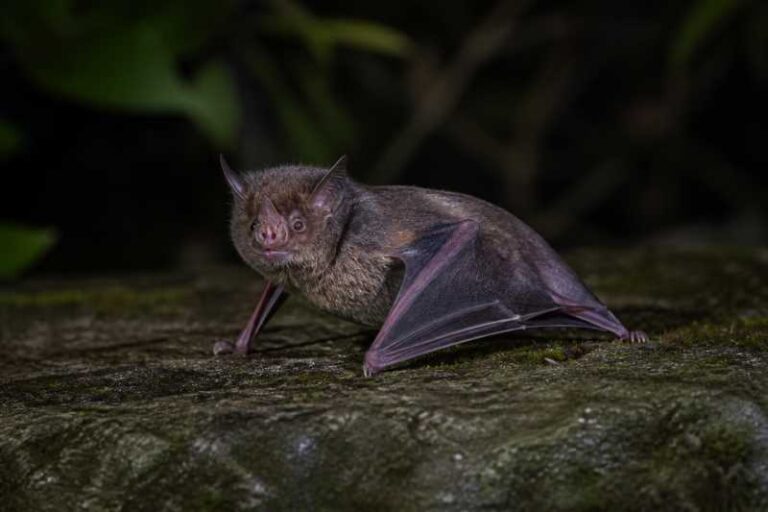
The Ussuri Tube-nosed Bat is distinguished by its notably elongated nostrils that resemble tubes, a feature that not only defines its common name but also aids in its echolocation abilities. This small bat typically exhibits a body length ranging from 40 to 60 millimeters, with a wingspan of approximately 200 to 240 millimeters. Weighing in at a mere 5 to 8 grams, its delicate frame is covered in a dense fur, which varies in coloration from a subtle brownish hue to a more pronounced gray.
The wings of Murina ussuriensis are relatively broad, allowing for agile flight through dense vegetation, a characteristic well-suited for its forested habitats. The bat’s ears are medium-sized, rounded, and possess a tragus that is essential for its echolocation. Its eyes, although small, are adapted for nocturnal vision, complementing its reliance on echolocation to navigate and hunt in the dark.
Range and Habitat
Murina ussuriensis is primarily found in the temperate regions of East Asia. Its distribution spans across the Russian Far East, northeastern China, and parts of the Korean Peninsula. This species often inhabits mixed deciduous and coniferous forests where it can find ample roosting sites and a rich supply of insects.
The bat prefers habitats that offer a combination of dense foliage and open spaces, which are crucial for its foraging activities. During summer, it roosts in tree crevices, under bark, or occasionally in man-made structures such as buildings. As a migratory species, it is known to change its roosting sites seasonally, often moving to lower elevations or more sheltered areas during colder months.
Behavior and Diet
The Ussuri Tube-nosed Bat is predominantly nocturnal, with peak activity occurring shortly after sunset. Its flight is characterized by agility and precision, enabling it to navigate through cluttered environments with ease. This species is an insectivore, preying primarily on small moths, beetles, and other flying insects.
Echolocation plays a vital role in its hunting strategy. The bat emits high-frequency sound waves through its tubular nostrils, which are then reflected back upon hitting an object, allowing the bat to construct a mental map of its surroundings. This adaptation is particularly effective in dense forest habitats where visibility is limited.
Socially, Murina ussuriensis is relatively solitary, although it may form small groups during migration or in hibernation roosts. Communication among individuals is facilitated through a series of vocalizations and scent markings.
Identification Tips
Identifying the Ussuri Tube-nosed Bat in the field requires keen observation and attention to specific characteristics:
- Nostril Shape: Look for the distinctive tube-like nostrils that set this species apart from other bats.
- Size and Coloration: Note the small size, weighing around 5 to 8 grams, and the brownish to gray fur.
- Flight Pattern: Observe the agile and precise flight within forested areas, often close to vegetation.
- Echolocation Calls: Listen for high-frequency calls using a bat detector; these are unique to the species.
- Roosting Habits: Check for roosting in tree crevices or under bark in mixed forests.
Conservation Status
The conservation status of the Ussuri Tube-nosed Bat is currently listed as Least Concern by the International Union for Conservation of Nature (IUCN). However, this assessment does not imply that the species faces no threats. Habitat loss due to deforestation, agricultural expansion, and urban development poses significant risks to its populations. Additionally, climate change may alter the availability of its prey and suitable roosting sites.
Conservation efforts are essential to ensure the long-term viability of Murina ussuriensis populations. Protecting forest habitats, enforcing regulations against deforestation, and conducting further research on its ecological requirements are vital steps in this direction. Public awareness campaigns can also play a role in mitigating the impact of human activities on these bats.
Frequently Asked Questions
What is the primary diet of the Ussuri Tube-nosed Bat?
The Ussuri Tube-nosed Bat primarily feeds on small insects, including moths and beetles. Its diet is opportunistic and varies based on the availability of prey in its habitat.
Where can you find the Ussuri Tube-nosed Bat?
This species is found in the temperate forests of East Asia, including the Russian Far East, northeastern China, and the Korean Peninsula. It prefers mixed deciduous and coniferous forests.
How does the Ussuri Tube-nosed Bat navigate its environment?
Murina ussuriensis uses echolocation to navigate and hunt in its environment. It emits high-frequency sound waves through its tubular nostrils, which bounce back upon hitting objects, allowing the bat to ‘see’ its surroundings.
What threats does the Ussuri Tube-nosed Bat face?
The primary threats to this species include habitat loss due to deforestation, agricultural activities, and urbanization. Climate change may also impact its habitat and food resources.
How can you identify a Ussuri Tube-nosed Bat in the wild?
Key identification features include its tube-like nostrils, small size, brownish-gray fur, and agile flight patterns. Listening for its unique echolocation calls with a bat detector can also aid in identification.
Related posts