Neumann’s Grass Rat: The Overlooked Rodent of East Africa
Introduction
In the vast and biodiverse savannas of East Africa, a lesser-known rodent species quietly thrives—the Neumann’s Grass Rat (Arvicanthis neumanni). This small mammal, often overshadowed by more charismatic African fauna, plays a crucial role in its ecosystem. This article delves into the intricate details of Neumann’s Grass Rat, exploring its physical characteristics, habitat, behavior, conservation status, and more. Our goal is to provide a comprehensive overview that not only informs but also highlights the importance of this species in its natural habitat.
Physical Description
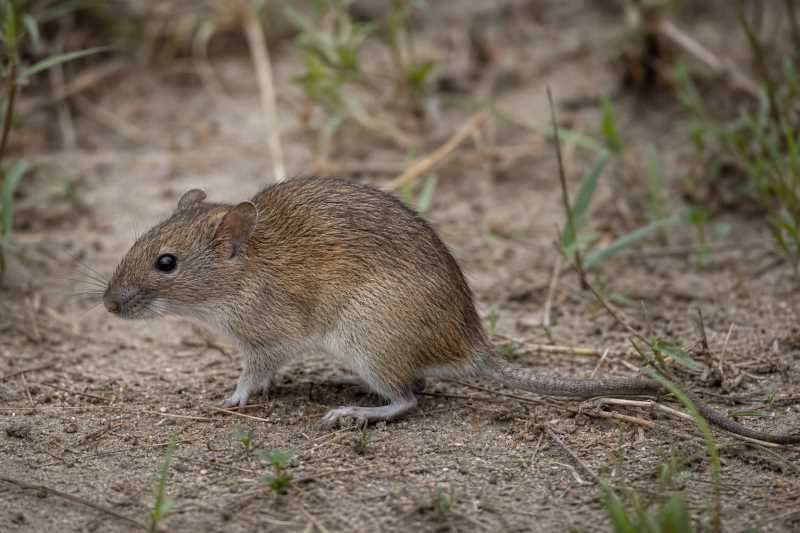
Neumann’s Grass Rat is a small rodent, typically measuring around 20 to 25 cm in total length, including its tail. The body is covered with coarse, grayish-brown fur that provides effective camouflage in its grassy environment. A distinct feature of this species is its relatively short, rounded ears and a blunt nose, which are adaptations to its grassy habitat. The underbelly is often lighter, ranging from white to a pale gray color.
The tail of the Neumann’s Grass Rat is scaly and slightly shorter than the body, aiding in balance and agility. Its limbs are adapted for digging and foraging, with strong claws that are ideal for unearthing roots and other food items. The incisors are sharp and continuously growing, a common trait among rodents, allowing them to gnaw through tough plant material.
Range and Habitat
Neumann’s Grass Rat is primarily found in the eastern regions of Africa, particularly in countries such as Kenya, Tanzania, and Uganda. It inhabits a range of ecosystems, from open savannas to grasslands and even agricultural fields, where it can often be seen scurrying through the underbrush.
The species prefers areas with dense grass cover, which offers protection from predators and harsh weather conditions. These environments provide ample food resources, including seeds, grasses, and roots. The adaptability of Neumann’s Grass Rat to various habitats makes it a resilient species, capable of thriving in both natural and human-altered landscapes.
Behavior and Diet
Neumann’s Grass Rat is predominantly nocturnal, although it may be active during the day in areas with little predation pressure. Its behavior is characterized by a high degree of social interaction, often forming small family groups. These groups communicate through a variety of vocalizations and body language, which facilitates cooperative behaviors such as grooming and foraging.
The diet of Neumann’s Grass Rat is mainly herbivorous, consisting of seeds, grasses, and roots. It has been observed to occasionally consume insects, which provide an additional protein source. The rat’s foraging behavior is highly opportunistic, often taking advantage of seasonal changes in food availability. This adaptability in diet is one reason for its success in various environments.
Identification Tips
Recognizing Neumann’s Grass Rat in the field involves observing several key characteristics:
- Size and Shape: Look for a small rodent with a total length of 20 to 25 cm, including a short, scaly tail.
- Fur Color: Note the grayish-brown, coarse fur with a lighter underbelly.
- Ears and Nose: Identify the rounded ears and blunt nose, distinctive features of this species.
- Behavior: Observe foraging behavior, often in small groups, and listen for their vocalizations.
- Habitat: Search in dense grasslands or agricultural fields within its geographical range.
Conservation Status
The International Union for Conservation of Nature (IUCN) currently lists Neumann’s Grass Rat as a species of Least Concern. However, like many wildlife species, it faces threats from habitat loss due to agricultural expansion and urban development.
Despite these challenges, the species’ adaptability has allowed it to persist in modified habitats. Conservation efforts for Neumann’s Grass Rat focus on habitat preservation and sustainable land-use practices that mitigate the impact of human activities.
Frequently Asked Questions
What is the primary diet of Neumann’s Grass Rat?
Neumann’s Grass Rat primarily feeds on seeds, grasses, and roots, with occasional consumption of insects for additional protein.
Where can I find Neumann’s Grass Rat in the wild?
This species is found in East Africa, particularly in countries like Kenya, Tanzania, and Uganda, inhabiting grasslands and agricultural fields.
How does Neumann’s Grass Rat contribute to its ecosystem?
Neumann’s Grass Rat plays a vital role in seed dispersal and soil aeration, contributing to the health of its ecosystem.
Are Neumann’s Grass Rats endangered?
Currently, Neumann’s Grass Rat is not considered endangered. It is listed as Least Concern by the IUCN due to its adaptability and wide distribution.
What are the main threats to Neumann’s Grass Rat?
The primary threats include habitat loss from agricultural expansion and urbanization. Conservation efforts focus on habitat preservation and sustainable practices.
Related posts