Introduction
Davis’s Tent-making Bat, scientifically known as Uroderma davisi, is a fascinating species within the family Phyllostomidae. This bat is named for its unique behavior of constructing roosts, or "tents," by modifying leaves in its natural habitat. Found primarily in Central and South America, Davis’s Tent-making Bat has captivated researchers and wildlife enthusiasts alike due to its intriguing behaviors and ecological role. In this comprehensive article, we explore the various aspects of this remarkable mammal, including its physical characteristics, habitat, behavior, and conservation status.
Physical Description
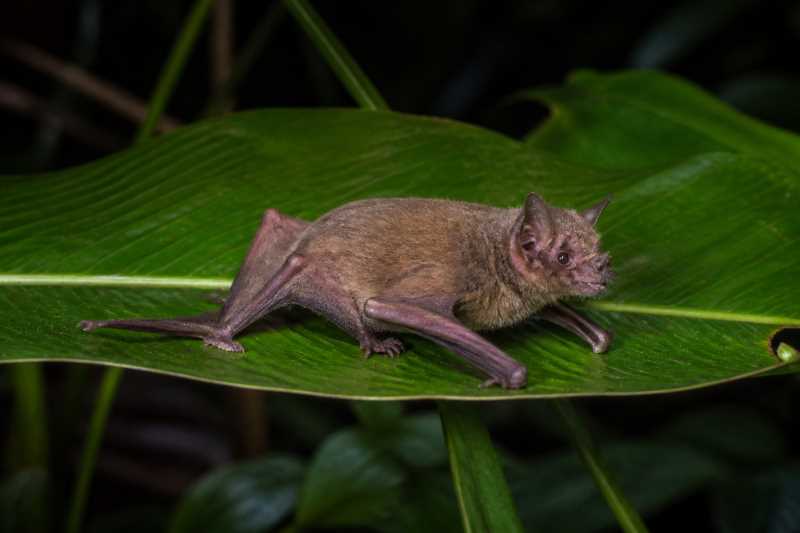
Davis’s Tent-making Bat is a small to medium-sized bat characterized by its distinct facial features and wing structure. On average, adults have a body length ranging from 5 to 7 centimeters, with a wingspan that can reach up to 30 centimeters. The fur of the Davis’s Tent-making Bat is typically a muted shade of gray or brown, providing excellent camouflage in its natural habitat.
One of the most distinguishing features of Uroderma davisi is its nose-leaf, a prominent, leaf-shaped structure located on the snout. This adaptation is common among bats in the Phyllostomidae family and aids in echolocation, allowing the bat to navigate and hunt effectively in the dark. The ears are relatively large, providing acute hearing capabilities essential for detecting prey and avoiding predators.
The wings of Davis’s Tent-making Bat are long and narrow, allowing for agile flight through dense forest canopies. These wings are adapted for maneuverability rather than speed, enabling the bat to forage efficiently in cluttered environments.
Range and Habitat
Davis’s Tent-making Bat is primarily found in the tropical and subtropical regions of Central and South America. Its range extends from southern Mexico through countries such as Guatemala, Belize, Honduras, Nicaragua, Costa Rica, and Panama, down into northern parts of South America, including Colombia and Venezuela.
This species thrives in a variety of habitats, but it is most commonly associated with tropical rainforests and lowland forests. It prefers areas with abundant foliage, which provide ample opportunities for tent-making. The bat’s roosting sites are typically found in palm trees and other broad-leaved plants, where it can modify leaves into tent-like structures that offer shelter and protection from predators and environmental elements.
Behavior and Diet
The behavior of Davis’s Tent-making Bat is particularly notable for its tent-making abilities. To create a tent, the bat selects large leaves and bites the veins, causing the leaf to fold over itself. This process creates a sheltered space underneath where the bat can roost during the day. Tents are often used by small groups of bats, typically consisting of a few individuals, which may include a dominant male and several females.
In terms of diet, Davis’s Tent-making Bat is primarily frugivorous, feeding on a variety of fruits available in its habitat. It plays a crucial role in seed dispersal, aiding in the regeneration of forested areas. Additionally, the bat may consume nectar and pollen, contributing to the pollination of certain plant species. Occasional consumption of insects and other small prey has also been documented, particularly when fruit is scarce.
Identification Tips (Field Recognition Cues)
Identifying Davis’s Tent-making Bat in the field can be challenging due to its small size and nocturnal habits. However, there are several key characteristics to look for:
- Nose-leaf: The presence of a distinct, leaf-shaped nose-leaf is a primary identifier.
- Tent-making Behavior: Observing modified leaves in forested areas can indicate the presence of these bats.
- Roosting Sites: Look for tents in palm trees and other large-leaved plants, often used by small groups of bats.
- Echolocation Calls: Use of bat detectors can help identify their unique echolocation calls, which differ from those of other bat species.
Conservation Status (With Threats and Protections)
The conservation status of Davis’s Tent-making Bat is currently listed as "Least Concern" by the International Union for Conservation of Nature (IUCN). However, like many bat species, it faces several threats that could impact its population in the future.
Threats
- Habitat Loss: Deforestation and land conversion for agriculture are significant threats, reducing available roosting and foraging sites.
- Climate Change: Altered weather patterns and habitat changes may impact food availability and roosting conditions.
- Human Disturbance: Increased human activity in forested areas can lead to disturbances of roosting sites.
Protections
Efforts to protect Davis’s Tent-making Bat include habitat conservation initiatives and legal protections in some regions. Protected areas and national parks within its range play a critical role in preserving suitable habitats. Conservation organizations are also working to raise awareness about the ecological importance of bats and the need for their protection.
Frequently Asked Questions
What is the primary diet of Davis’s Tent-making Bat?
Davis’s Tent-making Bat primarily feeds on fruits, playing a vital role in seed dispersal. It may also consume nectar, pollen, and occasionally insects, especially when fruits are not abundant.
How does Davis’s Tent-making Bat create its "tents"?
The bat modifies large leaves by biting the veins, causing them to fold over and form a tent-like structure. These tents provide shelter and protection for the bats during the day.
Where can Davis’s Tent-making Bat be found?
This species is found in tropical and subtropical regions of Central and South America, from southern Mexico to northern South America, including countries like Guatemala, Costa Rica, and Colombia.
Why is Davis’s Tent-making Bat important to the ecosystem?
As a frugivore, Davis’s Tent-making Bat plays a crucial role in seed dispersal, aiding in forest regeneration. Its pollination activities also contribute to the reproduction of certain plant species.
What are the main threats to Davis’s Tent-making Bat?
The main threats include habitat loss due to deforestation, climate change, and human disturbance. Conservation efforts focus on protecting habitats and raising awareness about the species.
Related posts