Introduction
The Mountain Hare, scientifically known as Lepus timidus, is a fascinating mammal species renowned for its adaptability to cold climates and its significant role in the ecosystems it inhabits. Known for its seasonal camouflage and remarkable agility, the Mountain Hare primarily thrives in the upland and mountainous regions of Europe and Asia. This article delves into the various aspects of the Mountain Hare, exploring its physical attributes, habitat, behavior, and conservation status. By understanding these elements, we can appreciate the ecological importance of this remarkable species and the challenges it faces in an ever-changing environment.
Physical Description
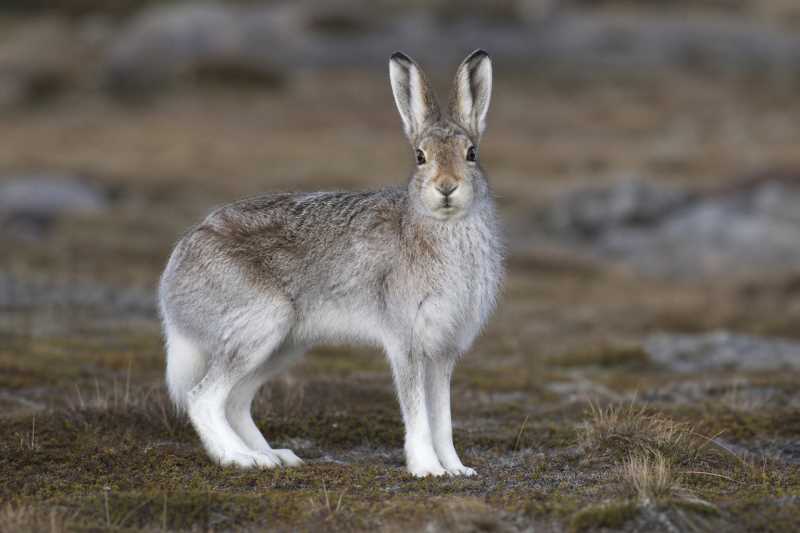
The Mountain Hare is a medium-sized mammal characterized by its long ears and powerful hind legs, which are adapted for swift movement across rugged terrains. Adult Mountain Hares typically weigh between 2.5 to 4.5 kilograms and have a body length ranging from 45 to 65 centimeters, with a short tail measuring about 5 to 10 centimeters.
One of the most striking features of the Mountain Hare is its seasonal coat color change. During the winter months, the hare’s fur turns white, providing effective camouflage against the snowy landscapes. In contrast, the summer coat is a mix of brown and gray, which helps the animal blend into the rocky and vegetative environments of its summer habitat. This seasonal molt is a crucial survival adaptation, protecting the hare from predators.
Range and Habitat
The Mountain Hare is distributed across northern Europe and Asia, with substantial populations found in Scotland, Scandinavia, the Alps, and parts of Russia. Inhabiting a range of environments, Mountain Hares are primarily found in upland heaths, tundras, and boreal forests. They are well adapted to cold climates and are often associated with mountainous and hilly terrains, where they can exploit the sparse vegetation and open landscapes.
In Scotland, they are particularly associated with heather moorlands, which provide both food and shelter. In the Alps and other mountainous regions, Mountain Hares inhabit rocky slopes and alpine meadows, taking advantage of high-altitude vegetation.
Behavior and Diet
Mountain Hares are predominantly solitary creatures, with individuals maintaining defined home ranges. However, they can be seen in groups during the breeding season or when conditions are harsh, such as during winter when food is scarce.
Their diet is primarily herbivorous, consisting of grasses, heather, twigs, bark, and other vegetation. In winter, when the ground is often covered in snow, Mountain Hares rely on woody plants and the bark of trees to sustain themselves. They have a unique digestive system that allows them to extract maximum nutrients from fibrous plant material.
Mountain Hares are crepuscular, meaning they are most active during the early morning and late evening. This activity pattern helps them avoid predators and extreme weather conditions.
Identification Tips (Field Recognition Cues)
Identifying a Mountain Hare in the wild can be a rewarding experience. Here are some field recognition cues that can help:
- Seasonal Coat: In winter, look for hares with a white coat, while in summer, they have a brown or gray coat.
- Size and Shape: Note the medium size and the distinctive long ears with black tips, which are shorter than those of the Brown Hare.
- Behavior: They are often seen bounding across open terrain or sitting still, relying on camouflage.
- Tracks: Mountain Hares leave distinctive footprints in the snow, with large hind foot prints that are wider apart than the smaller front foot prints.
Conservation Status (With Threats and Protections)
The IUCN Red List classifies the Mountain Hare as a species of Least Concern due to its wide distribution and large population. However, certain regional populations are under threat due to habitat loss, climate change, and hunting.
In some areas, Mountain Hares are legally hunted for sport, which can impact local populations. Moreover, climate change poses a significant threat, as it affects the snow cover necessary for their winter camouflage, leaving them vulnerable to predators.
Conservation efforts include habitat management, research on population dynamics, and implementing hunting regulations to ensure sustainable population levels. In the UK, conservation organizations are actively monitoring populations and advocating for the protection of key habitats.
Frequently Asked Questions
What is the difference between a Mountain Hare and a Brown Hare?
The primary differences lie in their habitat and physical characteristics. Mountain Hares are adapted to cold, mountainous regions and have a seasonal coat change for camouflage, while Brown Hares inhabit lower altitudes and retain their brown coat year-round.
How do Mountain Hares survive in winter?
Mountain Hares survive winter by changing their coat to white for camouflage, feeding on available woody plants and bark, and becoming more active during the warmer parts of the day to conserve energy.
Are Mountain Hares endangered?
Mountain Hares are not considered endangered globally, but certain populations face threats from habitat loss, hunting, and climate change. Conservation measures are in place to protect regional populations.
What predators hunt Mountain Hares?
Natural predators of Mountain Hares include foxes, eagles, and owls. Their primary defense against these predators is their speed and camouflage.
How can I help conserve Mountain Hares?
Supporting conservation organizations, advocating for habitat protection, and promoting sustainable hunting practices can contribute to the conservation of Mountain Hares.
Related posts