Introduction
The Lynes’s Cisticola, scientifically known as *Cisticola distinctus*, is a fascinating yet elusive bird species that captures the interest of ornithologists and bird enthusiasts alike. This small passerine bird is part of the Cisticolidae family, a group known for their complex vocalizations and relatively obscure behaviors. Despite its modest size, the Lynes’s Cisticola plays a significant role in its ecosystem and offers valuable insights into the biodiversity of its native habitats.
Taxonomy and Classification
The Lynes’s Cisticola was first described in the early 20th century. It belongs to the large genus *Cisticola*, which includes over 40 species distributed primarily across Africa and parts of Asia. The genus name, *Cisticola*, is derived from Greek and Latin, meaning “dweller of rushes,” which aptly describes the bird’s preferred habitat. The specific name, *distinctus*, highlights its distinguishing features compared to other cisticolas.
Physical Description
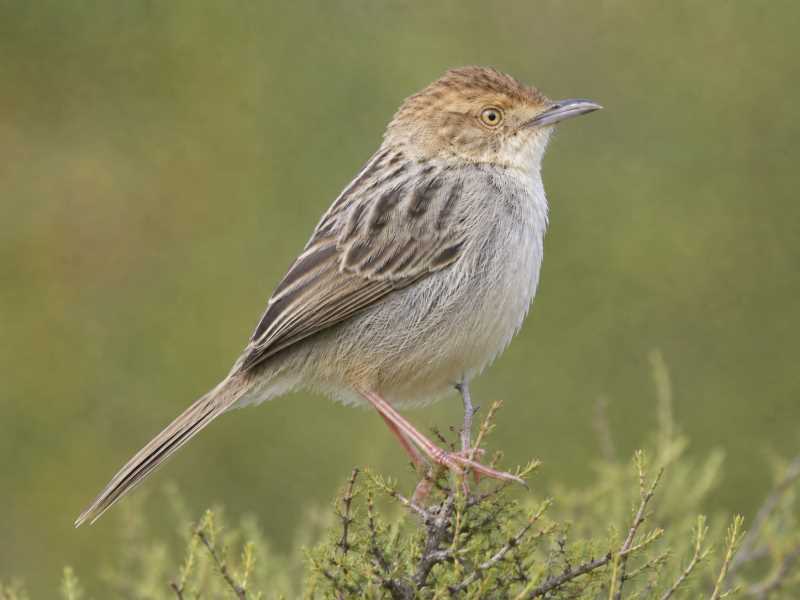
Lynes’s Cisticola is a small bird, typically measuring around 10 to 12 centimeters in length. Its plumage is subtly beautiful, with a predominance of earthy tones that provide effective camouflage in its grassland habitat. The upperparts are generally brown with streaks of black, while the underparts are lighter, often with a warm buff or whitish hue. The bird’s tail is relatively short and usually held upright, a characteristic feature of many cisticola species.
Vocalizations
One of the most distinctive aspects of Lynes’s Cisticola is its vocalizations. Cisticolas are known for their complex and varied songs, which play a crucial role in communication and mating. Lynes’s Cisticola is no exception, with a repertoire that includes whistles, trills, and chirps. These vocalizations are not only used to attract mates but also to establish territory and deter potential rivals.
Habitat and Distribution
Lynes’s Cisticola is primarily found in the highland grasslands of East Africa, with populations documented in countries such as Kenya and Tanzania. These regions offer the ideal conditions for the species, characterized by open grasslands interspersed with shrubs and occasional trees. The bird’s habitat preference emphasizes the importance of grassland conservation, as changes in land use and agricultural expansion pose significant threats to their environment.
Behavior and Ecology
The behavioral ecology of Lynes’s Cisticola is a subject of ongoing research, with studies highlighting their intricate social structures and breeding behaviors. These birds are typically monogamous, forming pair bonds during the breeding season. Nesting occurs low in the grass, with the female primarily responsible for building the nest, incubating the eggs, and caring for the young.
Lynes’s Cisticola is an insectivorous bird, feeding on a diet primarily composed of insects and other small invertebrates. This diet plays a crucial role in controlling insect populations, thus contributing to the ecological balance of their habitat.
Conservation Status
Currently, Lynes’s Cisticola is not listed as a threatened species by the International Union for Conservation of Nature (IUCN). However, its reliance on grassland habitats makes it vulnerable to habitat destruction and degradation. Conservation efforts are essential to ensure the preservation of these habitats, which are increasingly under pressure from human activities such as agriculture, urbanization, and climate change.
Research and Observation
For ornithologists and bird watchers, observing Lynes’s Cisticola in its natural habitat presents both a challenge and an opportunity. Its elusive nature, combined with its preference for dense grassland areas, means that sightings can be rare. However, those who are patient and equipped with the right knowledge can contribute valuable data to the study of this species.
Research into the Lynes’s Cisticola is crucial for understanding its role within the ecosystem and the broader biodiversity of the regions it inhabits. Continued study will aid in developing conservation strategies that not only protect this species but also the myriad other organisms that share its habitat.
Conclusion
Lynes’s Cisticola is a small but significant bird species that underscores the diversity and complexity of avian life in East Africa. Its unique vocalizations, adaptive behaviors, and ecological importance make it a subject worthy of study and conservation. As we continue to learn more about this enigmatic bird, we can better appreciate the intricate web of life that it helps sustain.
Future Directions
Future research should focus on the effects of climate change on Lynes’s Cisticola habitats, as well as potential conservation strategies that can mitigate these impacts. Additionally, further studies on their breeding patterns and social behaviors could provide deeper insights into their adaptability and resilience.
Call to Action
Conservationists and local communities must work together to preserve the grassland ecosystems that are vital for the survival of Lynes’s Cisticola and countless other species. Public awareness campaigns and sustainable land management practices will be key to ensuring the long-term health of these environments.
References
– BirdLife International. (2021). *Cisticola distinctus*.
– Dowsett-Lemaire, F., & Dowsett, R. J. (2014). The status of birds in Malawi.
– Zimmerman, D. A., Turner, D. A., & Pearson, D. J. (1996). Birds of Kenya and Northern Tanzania.
Meta Title: “Lynes’s Cisticola: A Grassland Songbird”
Meta Description: “Explore the life of Lynes’s Cisticola, a small yet significant grassland bird in East Africa, known for its vocal prowess and ecological role.”
Related posts