Introduction
The Hairy-footed Gerbil Mouse, scientifically known as Eligmodontia hirtipes, is a captivating small mammal species that has garnered interest from researchers, wildlife enthusiasts, and conservationists alike. This diminutive rodent, often referred to as a gerbil mouse due to its similar appearance to both gerbils and mice, is a member of the Cricetidae family. Despite its modest size, the Hairy-footed Gerbil Mouse plays a significant role in its ecosystem, contributing to seed dispersion and serving as a prey species for various predators. This article delves into the fascinating world of Eligmodontia hirtipes, providing an in-depth look at its physical description, habitat, behavior, diet, and conservation status.
Physical Description
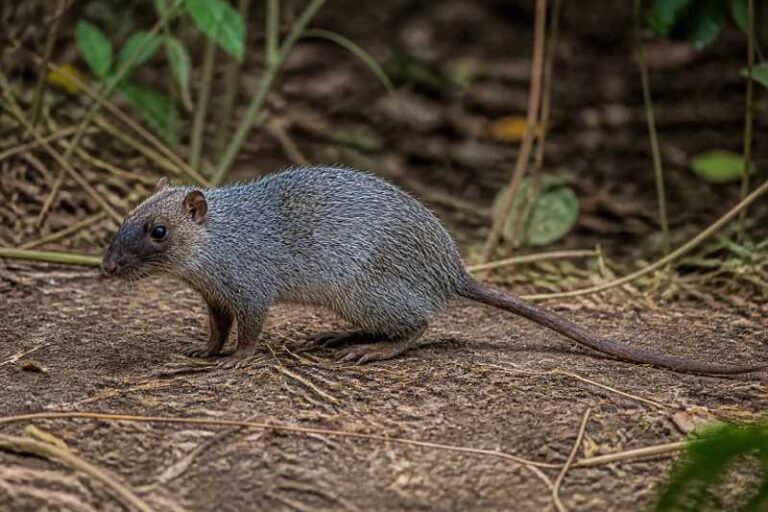
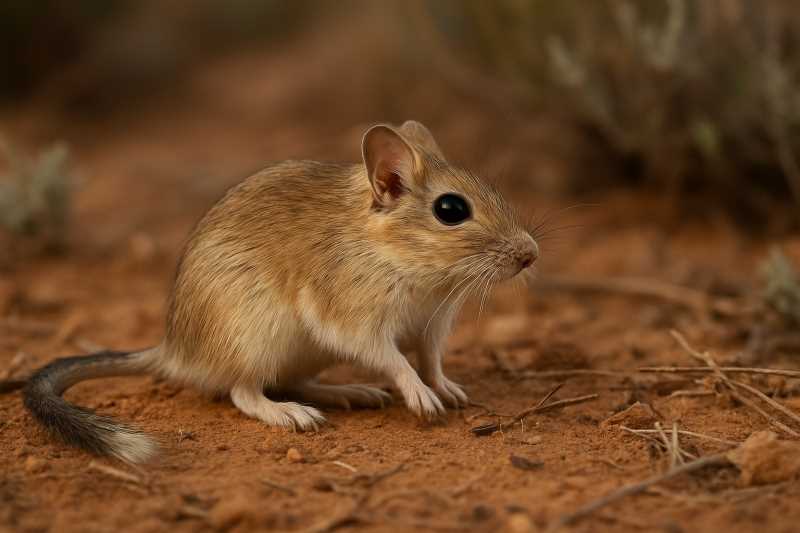
The Hairy-footed Gerbil Mouse is a small rodent, typically measuring between 7 to 10 centimeters in body length, with a tail that adds an additional 8 to 12 centimeters. The species exhibits sexual dimorphism, with males generally being slightly larger than females. The coat of the Hairy-footed Gerbil Mouse is characterized by soft, dense fur, which ranges in coloration from sandy brown to grayish-brown, providing excellent camouflage in its natural habitat. The underbelly is usually lighter, often white or cream-colored, which helps in thermoregulation.
One of the most distinctive features of Eligmodontia hirtipes is its hairy feet, from which it derives its common name. These specialized feet are adapted to its arid environment, providing protection against the hot desert sands and aiding in efficient movement across loose substrates. The tail, covered in a sparse layer of fur, serves as a balance tool and a means of communication among individuals.
Range and Habitat
The Hairy-footed Gerbil Mouse is native to the arid and semi-arid regions of South America, predominantly found in Argentina, Bolivia, and Chile. It thrives in desert and scrubland habitats, where the vegetation is sparse and the soil is sandy or rocky. These environments are characterized by extreme temperatures, limited water resources, and seasonal rainfall, which the species has adeptly adapted to survive.
Within its range, the Hairy-footed Gerbil Mouse is often found in burrow systems, which provide shelter from predators and harsh weather conditions. These burrows are typically shallow and can be shared with other rodents, indicating a level of communal living that is beneficial for thermoregulation and protection.
Behavior and Diet
The Hairy-footed Gerbil Mouse is primarily nocturnal, venturing out of its burrow during the night to forage and socialize. This nocturnal behavior helps it avoid the extreme daytime temperatures of its desert habitat. It is a solitary animal, except during the breeding season when males and females come together to mate.
The diet of Eligmodontia hirtipes is omnivorous, consisting mainly of seeds, grains, and occasionally insects. Its ability to consume a variety of food sources allows it to adapt to the seasonal availability of resources in its environment. The species plays a crucial role in seed dispersion, which aids in the propagation of plant species within its habitat.
Identification Tips
Identifying the Hairy-footed Gerbil Mouse in the field can be a rewarding experience for wildlife observers. Here are some key identification tips:
- Size and Shape: Look for a small rodent with a body length of 7 to 10 cm and a tail that is longer than its body.
- Coloration: Note the sandy brown to grayish-brown fur on the upper body and the lighter underbelly.
- Distinctive Feet: The presence of hairy feet is a definitive characteristic, aiding in identification.
- Tail: A long, sparsely furred tail is a notable feature that helps distinguish it from other rodents.
Conservation Status
Currently, the Hairy-footed Gerbil Mouse is listed as a species of Least Concern by the International Union for Conservation of Nature (IUCN). However, this status does not imply that the species faces no threats. Habitat destruction due to agricultural expansion, mining activities, and climate change poses significant risks to its population.
Conservation efforts are focused on habitat preservation and monitoring population trends to ensure that the Hairy-footed Gerbil Mouse remains a thriving component of its ecosystem. There are no specific legal protections currently in place for this species, but it benefits indirectly from broader conservation initiatives targeting desert and scrubland habitats.
Frequently Asked Questions
1. What is the lifespan of a Hairy-footed Gerbil Mouse?
The average lifespan of a Hairy-footed Gerbil Mouse in the wild is about 1 to 2 years, though some individuals may live longer under optimal conditions.
2. How does the Hairy-footed Gerbil Mouse reproduce?
The species has a breeding season during which males and females mate. After a gestation period of about 20 to 25 days, the female gives birth to a litter of 2 to 5 pups.
3. Are Hairy-footed Gerbil Mice social animals?
While generally solitary, Hairy-footed Gerbil Mice may share burrows or forage in groups during the breeding season or when resources are abundant.
4. What adaptations help the Hairy-footed Gerbil Mouse survive in the desert?
Adaptations include nocturnal behavior, hairy feet for navigating hot sand, and an omnivorous diet that allows it to exploit various food sources.
5. How can I help conserve the Hairy-footed Gerbil Mouse?
Supporting habitat conservation efforts and advocating for sustainable land-use practices in their native regions can help protect this species and its habitat.
Related posts