The Enigmatic Ochre-flanked Tapaculo: A Peek into Its Life and Habitat
The Ochre-flanked Tapaculo (Eugralla paradoxa) is a fascinating avian species that has captivated ornithologists and bird enthusiasts alike with its elusive nature and distinct characteristics. Found primarily in the dense undergrowth of South America’s temperate forests, this bird is a testament to the rich biodiversity of the region. This article delves into the intricate aspects of the Ochre-flanked Tapaculo, exploring its habitat, behavior, and conservation status.
Habitat and Distribution
The Ochre-flanked Tapaculo is endemic to the temperate forests of southern Chile and Argentina. These regions are characterized by their humid climate and dense vegetation, providing the perfect sanctuary for this bird. The tapaculo thrives in areas with thick underbrush and fallen logs, where it can forage for food while remaining concealed from predators.
This bird is predominantly found in the Valdivian temperate rainforests, a unique ecosystem known for its high level of endemism and lush vegetation. These forests offer a rich tapestry of flora, including ferns, mosses, and hardwood trees, which create an ideal environment for the Ochre-flanked Tapaculo.
Physical Characteristics
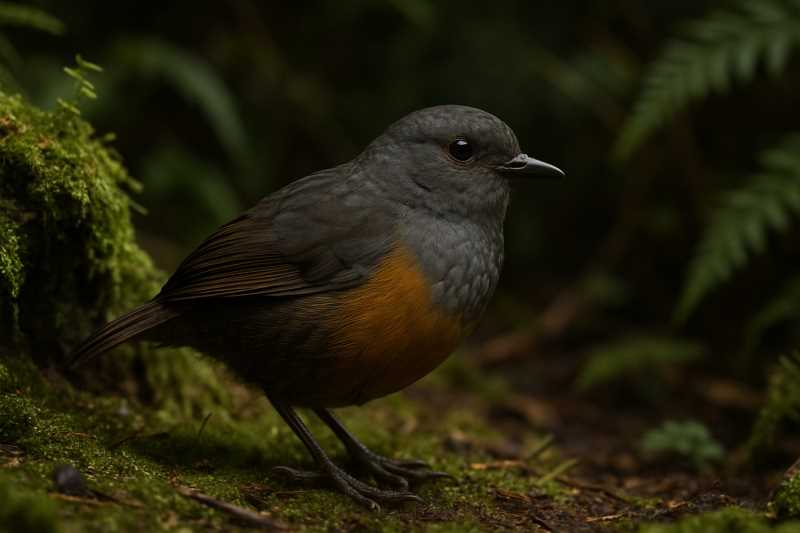
The Ochre-flanked Tapaculo is a small bird, measuring approximately 10 to 12 centimeters in length. Its plumage is predominantly brown and gray, with distinct ochre-colored flanks that give the bird its name. The muted tones of its feathers allow it to blend seamlessly into the forest floor, making it challenging to spot.
Its stout body, long legs, and short tail are well-suited for navigating through dense undergrowth. Unlike many other bird species, the Ochre-flanked Tapaculo is more often heard than seen, as its call resonates through the forest, revealing its presence to those aware of its unique vocalizations.
Behavior and Diet
The Ochre-flanked Tapaculo is known for its secretive behavior, often skulking through the underbrush in search of food. Its diet primarily consists of insects, spiders, and other small invertebrates, which it gleans from the forest floor and low vegetation.
This bird is a ground forager, using its long legs to maneuver through the dense foliage. It employs a methodical foraging technique, meticulously searching through leaf litter and crevices to locate its prey. Despite its elusive nature, the Ochre-flanked Tapaculo is highly territorial, often defending its territory through vocalizations that serve both as a declaration of presence and a deterrent to potential intruders.
Breeding and Nesting
The breeding season for the Ochre-flanked Tapaculo typically occurs during the austral spring and summer, from September to January. During this time, the males engage in elaborate vocal displays to attract females. Once a pair is formed, they will work together to construct a nest.
Nests are usually built close to the ground, concealed within dense vegetation or at the base of trees. The female lays a clutch of two to three eggs, which are incubated by both parents. After hatching, the chicks are cared for by both the male and female, who share the responsibilities of feeding and protecting the young until they are ready to fledge.
Conservation Status
Currently, the Ochre-flanked Tapaculo is classified as a species of Least Concern by the International Union for Conservation of Nature (IUCN). Despite its relatively stable population, the bird faces threats from habitat destruction and fragmentation, primarily due to logging and land conversion for agriculture.
Conservation efforts in the region are focused on preserving the Valdivian temperate rainforests, which are crucial to the survival of not only the Ochre-flanked Tapaculo but countless other endemic species. Protected areas and national parks play a vital role in safeguarding these habitats, ensuring that they remain intact for future generations.
Conclusion
The Ochre-flanked Tapaculo is a remarkable example of the unique biodiversity found in the temperate forests of South America. Its elusive nature and specialized habitat requirements make it a species of interest for both scientists and birdwatchers. By understanding and appreciating the ecological significance of the Ochre-flanked Tapaculo, we can better advocate for the conservation of its natural habitat, ensuring that this enigmatic bird continues to thrive in its forest home.
As we continue to explore and document the rich avian diversity of our planet, the Ochre-flanked Tapaculo serves as a poignant reminder of the intricate and interconnected web of life that exists within our ecosystems. Protecting these delicate environments is not only crucial for the survival of individual species but also for maintaining the overall health and balance of our natural world.
Related posts