The Enigmatic Seychelles Swiftlet: An In-Depth Exploration
The Seychelles Swiftlet (Aerodramus elaphrus) is a fascinating avian species native to the idyllic archipelago of Seychelles, located in the Indian Ocean. This small bird, belonging to the swift family Apodidae, is a remarkable example of adaptation and survival in a unique ecosystem. Despite its diminutive size, the Seychelles Swiftlet plays a significant role in maintaining the ecological balance of its habitat.
Physical Characteristics and Behavior
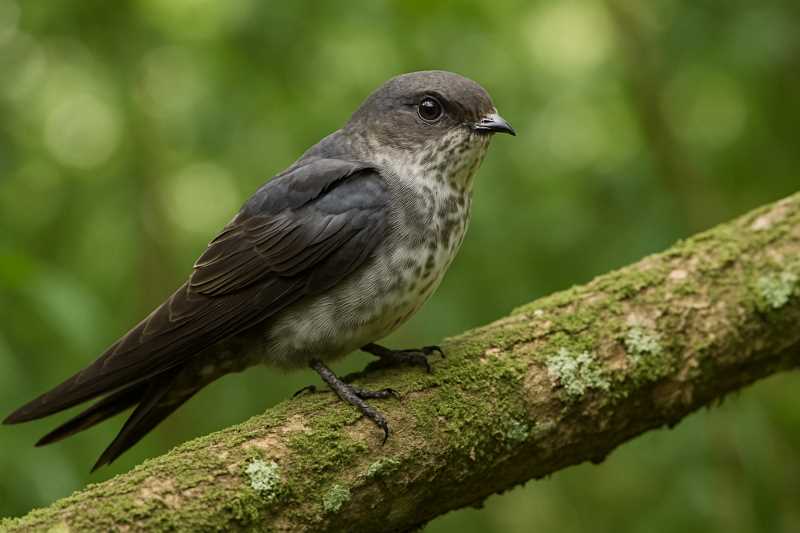
The Seychelles Swiftlet is a small bird, measuring about 10 to 12 centimeters in length. It has a streamlined body with long, narrow wings and a slightly forked tail, which allows it to maneuver swiftly and gracefully through the air. Its plumage is predominantly dark brown, providing effective camouflage against the rocky cliffs and forested areas it inhabits.
One of the most intriguing aspects of the Seychelles Swiftlet is its ability to echolocate, a trait it shares with only a few other bird species. Echolocation enables the swiftlet to navigate and forage for insects in the dim light of caves and dense forests. This ability is particularly crucial during the breeding season when the birds nest in dark, secluded caves.
Habitat and Distribution
The Seychelles Swiftlet is endemic to the Seychelles, primarily found on the islands of Mahé, Praslin, and La Digue. These islands provide a diverse range of habitats, from coastal cliffs and mangroves to lush tropical forests. The swiftlets prefer nesting in caves, crevices, and other sheltered locations, which offer protection from predators and harsh weather conditions.
This species’ distribution is relatively limited due to its specific habitat requirements. As a result, the Seychelles Swiftlet is considered vulnerable, with its population affected by habitat loss, climate change, and human activities. Conservation efforts are essential to ensure the survival of this unique bird.
Diet and Foraging
The Seychelles Swiftlet feeds primarily on insects, which it catches mid-flight. Its diet includes a variety of flying insects such as flies, beetles, and moths. The bird’s agile flight and keen senses allow it to hunt efficiently, even in low-light conditions.
During foraging, the swiftlet often joins mixed-species flocks, a behavior that increases feeding efficiency and provides safety in numbers from potential predators. This social behavior underscores the importance of community and collaboration in the natural world.
Breeding and Life Cycle
Breeding season for the Seychelles Swiftlet typically occurs between October and March. The species is monogamous, with pairs forming strong bonds that last throughout the breeding period. Nesting sites are carefully selected in caves or crevices, where the female lays a single egg.
Both parents are involved in incubation, which lasts around 18 to 21 days. After hatching, the chick is fed by both parents and remains in the nest for approximately 6 to 7 weeks before fledging. The high level of parental care is crucial for the chick’s survival, given the challenges of the environment.
Conservation and Challenges
The Seychelles Swiftlet faces several challenges that threaten its survival. Habitat destruction, particularly deforestation and the development of coastal areas, poses a significant risk. Additionally, climate change impacts the availability of food resources and nesting sites, further stressing the population.
Conservation efforts are underway to protect the Seychelles Swiftlet and its habitat. These include habitat restoration projects, legal protection of nesting areas, and public awareness campaigns to promote sustainable practices. Collaborative efforts between local communities, governments, and conservation organizations are vital to the success of these initiatives.
Conclusion
The Seychelles Swiftlet is a testament to the resilience and adaptability of nature. Despite facing numerous challenges, this small bird continues to thrive in its native habitat, playing an integral role in the ecosystem of the Seychelles. Through concerted conservation efforts and a deep appreciation for biodiversity, we can ensure that the Seychelles Swiftlet, and the unique environment it inhabits, are preserved for future generations to admire and study.
The story of the Seychelles Swiftlet is a reminder of the delicate balance that exists in nature and the responsibility we have to protect it. By understanding and valuing the intricate web of life, we can foster a harmonious coexistence with the natural world.
Related posts