The Enigmatic White-headed Bulbul: Nature’s Feathered Jewel
The natural world is replete with an astonishing diversity of avian species, each with its own unique characteristics and ecological significance. Among these, the White-headed Bulbul (Hypsipetes thompsoni) stands out as a remarkable species, captivating bird enthusiasts and ornithologists with its striking appearance and fascinating behavior. This article delves into the intriguing world of the White-headed Bulbul, exploring its habitat, physical characteristics, behavior, and conservation status.
Habitat and Distribution
The White-headed Bulbul is predominantly found in the subtropical and tropical forests of Southeast Asia, with its range extending across northern Thailand, Myanmar, Laos, and parts of Vietnam. These regions provide the ideal habitat for the species, characterized by dense foliage and a rich biodiversity that supports its dietary and nesting needs. The bird thrives in both primary and secondary forests, demonstrating a remarkable adaptability to varying environmental conditions.
The preference for forested habitats underscores the species’ reliance on a rich canopy for food and shelter. The White-headed Bulbul is often observed in elevations ranging from lowlands to montane regions, up to 1,800 meters. Its presence in these varied altitudes highlights its adaptability and the ecological niches it occupies within its range.
Physical Characteristics
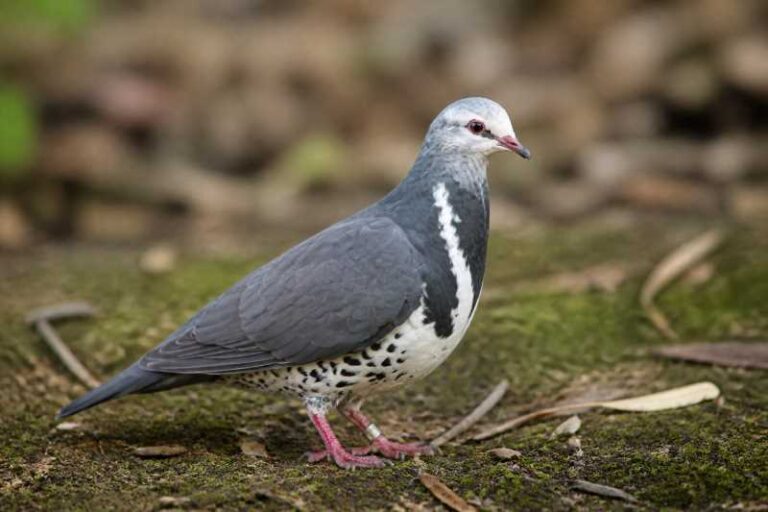
The White-headed Bulbul is a medium-sized bird, measuring approximately 20 to 22 centimeters in length. As its name suggests, the most distinctive feature of this species is its striking white head, which contrasts sharply with its darker body plumage. The rest of the body is adorned with shades ranging from olive-brown to gray, providing excellent camouflage within its forested habitat.
The bird’s eyes are encircled by a red or orange orbital ring, adding a splash of color to its appearance. This feature, combined with its robust bill and agile flight, makes the White-headed Bulbul a visually captivating species. Sexual dimorphism is not pronounced in this species, with males and females exhibiting similar plumage and size.
Behavior and Diet
White-headed Bulbuls are social birds, often found in small flocks that navigate the forest canopy with remarkable agility. Their flight is characterized by swift, undulating movements, allowing them to deftly maneuver through densely packed foliage. These birds are known for their melodious calls, which serve as a means of communication within flocks and play a role in territory establishment and mating rituals.
The diet of the White-headed Bulbul is primarily frugivorous, consisting of a wide variety of fruits and berries available in its habitat. The bird plays a crucial role in seed dispersal, contributing significantly to the ecological health of its forest environment. In addition to fruits, the bulbul occasionally consumes insects and small invertebrates, supplementing its diet and providing a source of protein.
Reproduction and Lifespan
The breeding season of the White-headed Bulbul varies across its range but generally coincides with the onset of the rainy season, ensuring an abundance of food for raising young. Nests are typically constructed at moderate heights in trees or shrubs, using twigs, leaves, and other plant materials to create a secure environment for eggs.
A typical clutch consists of two to three eggs, which are incubated by both parents. This biparental care extends to feeding and protecting the chicks once they hatch. The fledging period for young bulbuls is relatively short, with juveniles leaving the nest within a few weeks of hatching, although they remain dependent on parental care for some time afterward.
Conservation Status and Threats
Currently, the White-headed Bulbul is classified as a species of “Least Concern” by the International Union for Conservation of Nature (IUCN), indicating that its populations are stable across its range. However, like many forest-dependent species, it faces potential threats from habitat destruction and fragmentation due to logging, agricultural expansion, and urban development.
Conservation efforts aimed at preserving forest habitats are crucial for ensuring the long-term survival of the White-headed Bulbul. Protective measures, including the establishment of nature reserves and community-based conservation programs, play a vital role in mitigating the impacts of human activity on this and other forest-dwelling species.
Conclusion
The White-headed Bulbul stands as a testament to the beauty and complexity of avian life in Southeast Asia’s tropical forests. Its striking appearance, melodious calls, and ecological significance make it a species worthy of admiration and study. As conservation efforts continue to safeguard its habitat, the White-headed Bulbul remains a vibrant symbol of the intricate web of life that thrives within the world’s forests.
By understanding and appreciating species like the White-headed Bulbul, we not only enrich our knowledge of biodiversity but also foster a deeper connection to the natural world and the conservation of its precious inhabitants.
Related posts