Introduction
The Spurred Roundleaf Bat, scientifically known as Hipposideros calcaratus, is a fascinating mammal species that belongs to the family Hipposideridae. These bats are notable for their unique physiological adaptations and intriguing behaviors. This article delves into various aspects of the Spurred Roundleaf Bat, including its physical description, habitat, diet, conservation status, and more. Understanding these aspects is crucial for appreciating the ecological role these bats play and the conservation challenges they face.
Physical Description
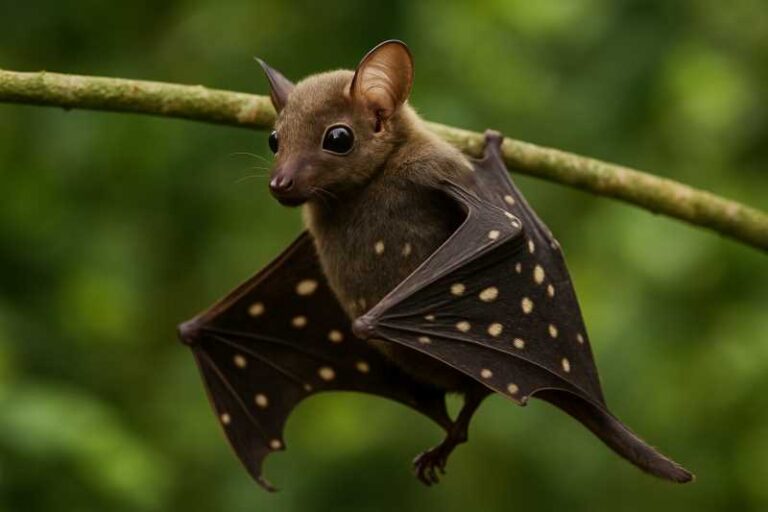
The Spurred Roundleaf Bat is a medium-sized bat species characterized by its distinctive nose-leaf, which is an important adaptation for echolocation. The nose-leaf is circular and features a prominent spur that extends from the lower edge, giving the species its common name.
The fur of the Spurred Roundleaf Bat is generally a dusky brown or grayish color, providing excellent camouflage against the bark of trees and the walls of caves. The wings are long and narrow, designed for agile and sustained flight. The ears are relatively large, aiding in their acute hearing capabilities, which are essential for navigation and hunting in the dark.
Adult Spurred Roundleaf Bats typically weigh between 15 to 25 grams, with a wingspan ranging from 30 to 40 centimeters. Their body length usually varies from 7 to 9 centimeters. Sexual dimorphism is minimal in this species, with males and females appearing similar in size and coloration.
Range and Habitat
The Spurred Roundleaf Bat is primarily found in Southeast Asia, with its range extending across countries such as Indonesia, Malaysia, and the Philippines. They inhabit a variety of environments, from tropical rainforests to limestone caves and mangrove forests.
These bats prefer habitats that offer ample roosting opportunities and abundant food supply. Caves, hollow trees, and human-made structures like abandoned buildings are common roosting sites. Their adaptability to different habitats makes them a resilient species, although they are still susceptible to habitat destruction and other environmental changes.
Behavior and Diet
Spurred Roundleaf Bats are nocturnal creatures, relying on echolocation to hunt for insects, their primary food source. Their diet mainly consists of moths, beetles, and other small nocturnal insects, which they catch in flight using their agile flying skills.
These bats are communal and often roost in large colonies, which can range from a few dozen to several hundred individuals. Roosting in groups offers them protection from predators and helps maintain body temperature through shared warmth.
During the mating season, which typically occurs in the warmer months, males engage in competitive displays to attract females. Females usually give birth to one or two pups, which are weaned after a few months and become independent.
Identification Tips (Field Recognition Cues)
Identifying the Spurred Roundleaf Bat in the wild involves observing several key features:
- Nose-Leaf: Look for the distinctive round nose-leaf with a prominent spur.
- Coloration: Note the dusky brown or grayish fur, which helps them blend into their surroundings.
- Flight Pattern: Observe their agile and erratic flight, characteristic of insectivorous bats.
- Roosting Behavior: They often roost in large colonies in caves and hollow trees.
Conservation Status (With Threats and Protections)
The International Union for Conservation of Nature (IUCN) currently lists the Spurred Roundleaf Bat as a species of Least Concern. However, like many other bat species, they face several threats that could impact their populations in the future.
Threats
- Habitat Destruction: Deforestation and land conversion for agriculture and urban development are major threats to their natural habitats.
- Disturbance of Roost Sites: Human activities such as cave tourism and vandalism can disrupt their roosting sites.
- Pesticide Use: The use of pesticides in agriculture can reduce their insect prey and directly harm bats that ingest contaminated insects.
Protections
- Protected Areas: Some of their habitats fall within protected areas, which help preserve essential roosting and foraging sites.
- Conservation Programs: Efforts to educate local communities and promote bat-friendly practices are ongoing in some regions.
- Legal Protections: Many countries within their range have legal frameworks that protect bat species from hunting and habitat destruction.
Frequently Asked Questions
1. What do Spurred Roundleaf Bats eat?
Spurred Roundleaf Bats primarily feed on insects, including moths, beetles, and other small nocturnal insects. They use echolocation to locate and catch their prey in flight.
2. Where can Spurred Roundleaf Bats be found?
These bats are commonly found in Southeast Asia, inhabiting countries like Indonesia, Malaysia, and the Philippines. They prefer tropical rainforests, limestone caves, and mangrove forests.
3. How do Spurred Roundleaf Bats use echolocation?
The bats emit high-frequency sound waves through their nose-leaf, which bounce off objects and return as echoes. This allows them to navigate in the dark and locate prey.
4. Are Spurred Roundleaf Bats endangered?
Currently, the Spurred Roundleaf Bat is not considered endangered, but they face threats such as habitat destruction and pesticide use that could impact their populations.
5. How can I identify a Spurred Roundleaf Bat in the wild?
Look for their distinctive round nose-leaf with a spur, dusky brown or grayish coloration, and observe their agile flight pattern and communal roosting behavior.
Related posts