Introduction
The Caribbean Lesser Funnel-eared Bat (Chilonatalus micropus) is a remarkable species of bat endemic to the Caribbean region. This small bat is part of the Natalidae family, known for their distinctive funnel-shaped ears. As a tropical species, Chilonatalus micropus plays an essential role in the ecosystems it inhabits, contributing to insect control and seed dispersal. In this article, we will explore the various aspects of the Caribbean Lesser Funnel-eared Bat, including its physical description, range and habitat, behavior and diet, identification tips, conservation status, and more.
Physical Description
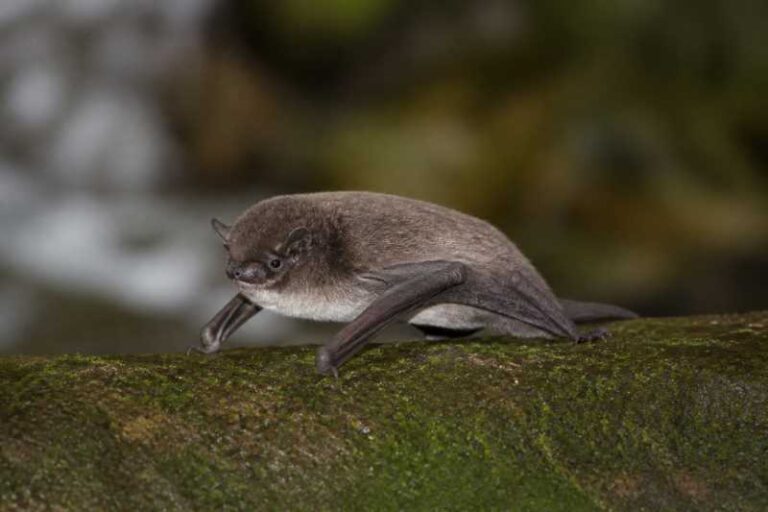
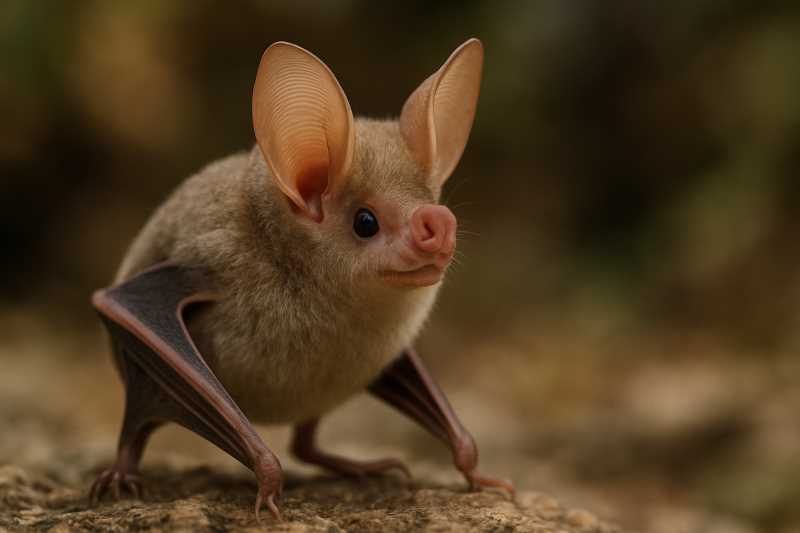
The Caribbean Lesser Funnel-eared Bat is a small-sized bat with a body length ranging from 4 to 5 centimeters and a wingspan of approximately 25 to 30 centimeters. These bats typically weigh between 3 to 5 grams, making them one of the lighter bat species. Their most distinctive feature is their funnel-shaped ears, which are large, protruding, and serve an essential role in their echolocation abilities.
The fur of Chilonatalus micropus is generally soft and silky, varying in color from pale gray to brown, which provides excellent camouflage in their natural habitats. Their facial features are marked by a flat, broad nose and small eyes, which are typical adaptations for their nocturnal lifestyle. The wings of these bats are long and narrow, adapted for agile and maneuverable flight, essential for navigating the dense vegetation of their tropical environments.
Range and Habitat
Chilonatalus micropus is endemic to the Caribbean, primarily found in the Bahamas, Cuba, and Hispaniola (shared by Haiti and the Dominican Republic). These bats prefer warm, humid environments and are typically found in lowland tropical forests, limestone caves, and occasionally in man-made structures like abandoned buildings.
The species is well-adapted to life in caves, where they roost during the day. The caves provide a stable microclimate with high humidity and constant temperatures, which are crucial for the bat’s thermoregulation and energy conservation. In addition to caves, these bats may also roost in hollow trees and dense foliage, showcasing their adaptability to different microhabitats within their range.
Behavior and Diet
The Caribbean Lesser Funnel-eared Bat is primarily nocturnal, emerging from their roosts at dusk to forage for food. Their diet mainly consists of small insects, which they catch in flight using their sophisticated echolocation abilities. This diet not only helps control insect populations but also plays a vital role in the ecosystem by reducing potential agricultural pests.
These bats are known for their agile flight patterns, capable of sharp turns and quick maneuvers as they hunt for prey. Their echolocation system is highly developed, allowing them to detect and capture even the smallest insects in complete darkness. Socially, Chilonatalus micropus is known to roost in small colonies, which can range from just a few individuals to several dozen bats. These colonies often consist of tightly-knit family groups, indicating strong social bonds within the species.
Identification Tips (Field Recognition Cues)
Identifying the Caribbean Lesser Funnel-eared Bat in the field requires careful observation of several key characteristics. Here are some tips for recognizing this species:
- Ear Shape: Look for the distinctive funnel-shaped ears, which are larger compared to other bats of similar size.
- Size and Weight: Note the small size and lightweight nature of the bat, with a wingspan of 25 to 30 centimeters.
- Coloration: Observe the pale gray to brown fur, which can help distinguish them from other similarly-sized bats.
- Flight Pattern: Watch for their agile and erratic flight movements, typical of insectivorous bats hunting at dusk.
- Roosting Behavior: If you can safely observe roosting sites, note their preference for caves or hollow trees.
Conservation Status (with Threats and Protections)
The Caribbean Lesser Funnel-eared Bat is currently classified as "Near Threatened" by the International Union for Conservation of Nature (IUCN). The primary threats facing this species include habitat loss due to deforestation, disturbance of roosting sites, and climate change impacts.
Deforestation for agriculture, urban development, and tourism infrastructure poses significant risks by reducing available habitats and food resources. Additionally, human disturbance in caves, whether for tourism or mining, can disrupt their roosting and breeding activities, leading to population declines.
Conservation efforts for Chilonatalus micropus include habitat protection and management, particularly safeguarding critical roosting sites. Environmental education and awareness programs are also vital in promoting coexistence and reducing human impact on these bats. Protected areas and national parks in the Caribbean region play a crucial role in conserving the natural habitats of this species.
Frequently Asked Questions
1. What is the role of the Caribbean Lesser Funnel-eared Bat in its ecosystem?
The Caribbean Lesser Funnel-eared Bat plays a crucial role in controlling insect populations, particularly agricultural pests. By feeding on insects, they help maintain a balanced ecosystem and support agricultural productivity.
2. How does the Caribbean Lesser Funnel-eared Bat use echolocation?
These bats emit high-frequency sound waves from their mouths or noses, which bounce off objects and return as echoes. They interpret these echoes to locate and capture prey with great precision, even in complete darkness.
3. What conservation measures are in place to protect Chilonatalus micropus?
Conservation measures include habitat preservation, legal protection of roosting sites, and environmental education programs. Protected areas like national parks also provide safe habitats for these bats to thrive.
4. How can I help protect the Caribbean Lesser Funnel-eared Bat?
Support conservation organizations, reduce pesticide use, and promote awareness of bat conservation. If you live near their habitats, minimize disturbances to roosting sites and participate in local conservation initiatives.
5. Are Caribbean Lesser Funnel-eared Bats dangerous to humans?
No, these bats are not dangerous to humans. They are insectivorous and play a beneficial role in ecosystems by controlling pest populations. Like all wildlife, they should be respected and observed from a distance to avoid disturbance.
Related posts