Introduction
The Bulldog Rat, scientifically known as Rattus nativitatis, was a unique and fascinating mammal that existed on Christmas Island, Australia. As an extinct species, the Bulldog Rat remains a subject of interest for mammalogists and conservationists alike. This article delves into the various aspects of this species, from its physical description to its habitat, behavior, and the unfortunate circumstances leading to its extinction.
Physical Description
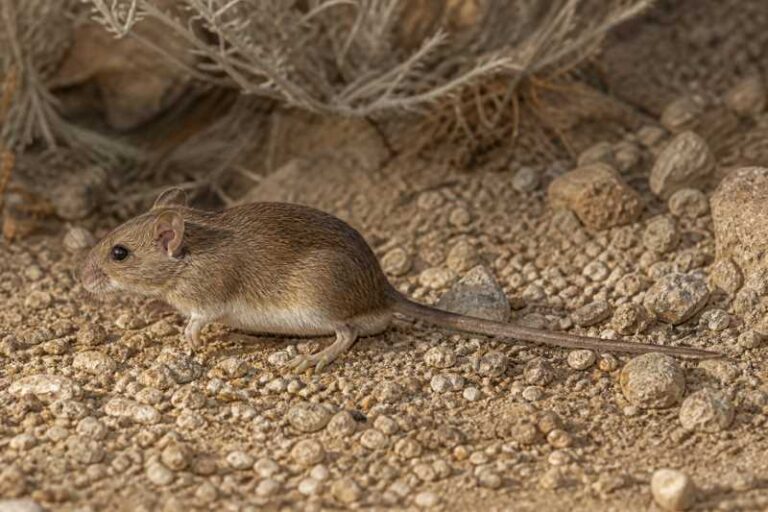
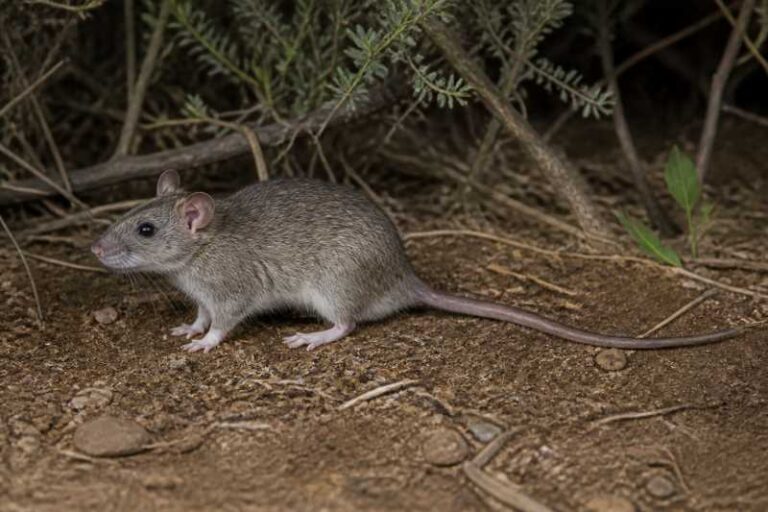
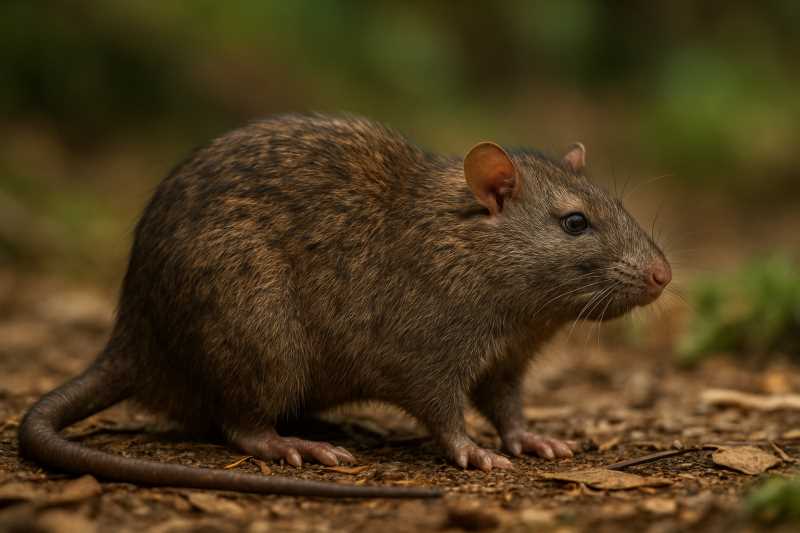
The Bulldog Rat was notably larger than many of its rat relatives, with adults weighing up to 250 grams and measuring approximately 25 to 30 centimeters in length, not including the tail. Its robust body was covered with dense, coarse fur, predominantly brown with a lighter underbelly. The species got its name from its strong, stocky build and relatively short, stout limbs, reminiscent of a bulldog. Unlike many other rats, the Bulldog Rat had a short tail, which was about half the length of its body, contributing to its distinctive appearance.
Range and Habitat
The Bulldog Rat was endemic to Christmas Island, a remote territory of Australia in the Indian Ocean. This island provided a unique ecosystem, characterized by its tropical climate and dense rainforests. The Bulldog Rat primarily inhabited the forest floor, where it made use of the natural coverage provided by fallen leaves and underbrush. Christmas Island’s limited geographic scope meant that the Bulldog Rat’s range was inherently restricted, making it particularly vulnerable to environmental changes and human activities.
Behavior and Diet
Little is known about the specific behaviors of the Bulldog Rat due to its extinction before extensive scientific study. However, like many rat species, it was likely a nocturnal creature, foraging for food during the cooler nighttime hours. Its diet probably consisted of a variety of plant materials, including seeds, fruits, and possibly small invertebrates. The Bulldog Rat’s foraging and nesting behaviors would have played a crucial role in the island’s ecological balance, contributing to seed dispersal and soil aeration.
Identification Tips (Field Recognition Cues)
Identifying the Bulldog Rat today relies on historical accounts and preserved specimens, as it no longer exists in the wild. Key identification features included its large size, short tail, and the dense, brown fur that covered its body. The stocky build and robust limbs were also distinctive, setting it apart from other rat species. Unfortunately, with no living specimens, these characteristics can only be appreciated through museum collections and historical descriptions.
Conservation Status (with Threats and Protections)
The Bulldog Rat is classified as extinct by the International Union for Conservation of Nature (IUCN). It is believed to have disappeared in the early 20th century, primarily due to the introduction of invasive species such as black rats (Rattus rattus) and feral cats, which preyed upon the native rat populations. Additionally, habitat destruction from human activity also played a significant role in its decline. Despite its extinction, the Bulldog Rat serves as a poignant reminder of the delicate balance within island ecosystems and the impact of human intervention.
Frequently Asked Questions
1. What led to the extinction of the Bulldog Rat? The extinction of the Bulldog Rat was primarily due to the introduction of invasive species like black rats and feral cats, which preyed on them. Habitat destruction also contributed significantly.
2. How was the Bulldog Rat different from other rats? The Bulldog Rat was larger, with a robust build, short tail, and dense fur. These physical traits distinguished it from other rat species.
3. Where was the Bulldog Rat found? This species was endemic to Christmas Island, Australia, making its habitat range very limited and susceptible to environmental changes and human impact.
4. What did the Bulldog Rat eat? The Bulldog Rat likely had a diet consisting of plant materials such as seeds and fruits, and possibly small invertebrates, contributing to its role in the island’s ecosystem.
5. Can the Bulldog Rat be found today? Unfortunately, no. The Bulldog Rat is extinct, with no living specimens remaining. Our understanding is based on historical records and preserved specimens.
Related posts