Introduction
Koopman’s Peleng Island Rat, scientifically known as Rattus koopmani, is a unique rodent species endemic to Peleng Island, part of the Banggai Archipelago in Indonesia. This elusive species was first described in 1995 and has since been a subject of interest due to its restricted habitat and distinctive features. With the increasing threat of habitat loss, understanding the characteristics and ecological role of Rattus koopmani is crucial for its conservation.
Physical Description
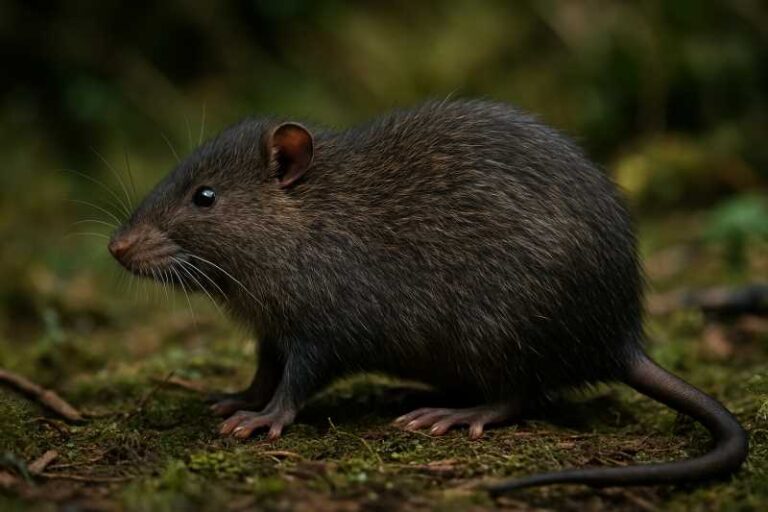
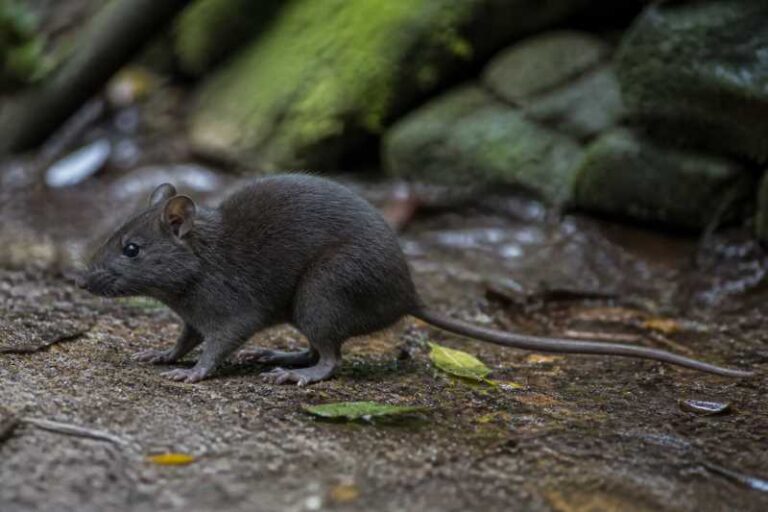
Rattus koopmani exhibits the typical rodent morphology but with some characteristics that set it apart from other members of the genus Rattus. It has a robust body with a head-and-body length ranging from 160 to 200 millimeters, while the tail is slightly shorter, measuring between 150 to 180 millimeters. The fur is dense and soft, with a dark brown dorsal side that offers excellent camouflage in its natural habitat. The ventral side is lighter, often a shade of gray or off-white.
The ears of Rattus koopmani are moderately sized, with a slight pink hue, while its eyes are large and prominent, indicating nocturnal habits. The whiskers are long and sensitive, aiding in navigation through dense underbrush. The feet are adapted for climbing, with sharp claws and pads that provide a good grip on various surfaces.
Range and Habitat
This species is exclusively found on Peleng Island, which is part of the Banggai Archipelago located east of Sulawesi. The island’s tropical climate and varied topography offer a suitable environment for the rat. It primarily inhabits lowland forests but can also be found in secondary growth areas and plantations, which are becoming more common due to deforestation.
The natural habitat of Rattus koopmani consists of dense undergrowth and a mix of trees and shrubs, providing both food and shelter. The species is arboreal, spending much of its time in trees, which helps it avoid predators and access food sources that are not available on the ground.
Behavior and Diet
Koopman’s Peleng Island Rat is primarily nocturnal, being most active during the night when it forages for food. Its diet is omnivorous, consisting of fruits, seeds, small invertebrates, and occasionally bird eggs. This diverse diet helps the rat adapt to different environmental conditions and food availability.
Social behavior in Rattus koopmani is not well-documented, but it is believed to be solitary or form small family groups. Communication is likely achieved through a combination of vocalizations, scent marking, and body language—a common trait among rodents.
Identification Tips (Field Recognition Cues)
Identifying Rattus koopmani in the field can be challenging due to its resemblance to other rat species. However, there are distinguishing features to look for:
- Fur Color: Dark brown on the back with a lighter underside.
- Size: Medium-sized with a head-and-body length of 160-200 mm.
- Tail: Slightly shorter than the body, around 150-180 mm.
- Behavior: Nocturnal and arboreal, often found in trees or dense undergrowth.
- Location: Endemic to Peleng Island, not found elsewhere.
Conservation Status (With Threats and Protections)
The conservation status of Rattus koopmani is currently listed as Data Deficient by the IUCN Red List. The primary threat to the species is habitat destruction due to logging and agricultural expansion. As natural forested areas are converted into plantations and other land uses, the available habitat for this species diminishes.
Efforts to protect Rattus koopmani involve habitat conservation and management. Establishing protected areas on Peleng Island and promoting sustainable land-use practices are essential strategies. Further research is needed to better understand the population dynamics and ecological needs of this species to inform conservation planning.
Frequently Asked Questions
Why is this species unique?
Rattus koopmani is unique due to its restricted range, being found only on Peleng Island. Its adaptations to a specific habitat and arboreal lifestyle differentiate it from other rat species.
What are the main threats to Rattus koopmani?
The main threats include habitat destruction from logging and agricultural expansion. These activities reduce the available natural habitat, posing a significant risk to its survival.
How can we help conserve Rattus koopmani?
Conservation can be supported by promoting habitat protection measures, such as establishing protected areas and encouraging sustainable land-use practices. Public awareness and research funding are also crucial to support these efforts.
What is the diet of Koopman’s Peleng Island Rat?
The diet is omnivorous, including fruits, seeds, small invertebrates, and occasionally bird eggs. This varied diet helps the rat adapt to different environmental conditions.
How do researchers identify Rattus koopmani in the wild?
Researchers look for specific features such as fur color, size, and behavior. Its endemic presence on Peleng Island also aids in its identification, as it is not found elsewhere.
Related posts