Introduction
The Russet Ground Squirrel, scientifically known as Spermophilus major, is a fascinating member of the Sciuridae family. This ground squirrel species is native to the Russian steppes and surrounding areas, where it plays a critical role in the ecosystem. Known for its russet-colored fur and lively behavior, the Russet Ground Squirrel is a subject of interest for wildlife enthusiasts and researchers alike. This article delves into the various aspects of the Russet Ground Squirrel, including its physical description, habitat, behavior, and conservation status.
Physical Description
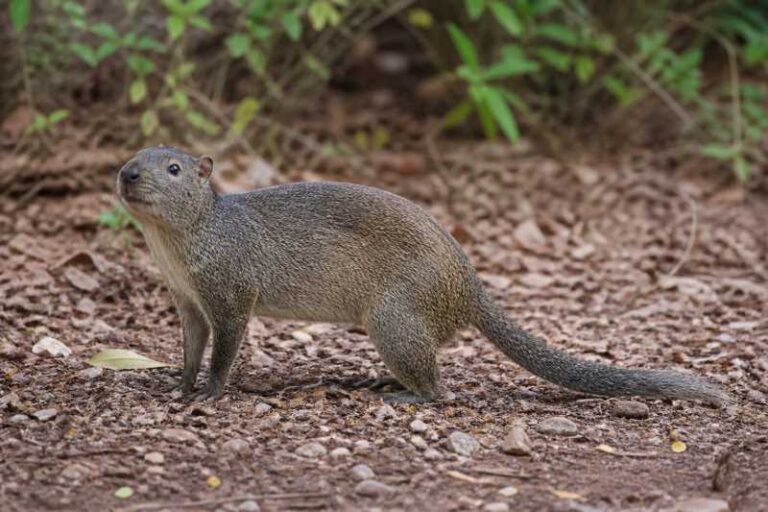
The Russet Ground Squirrel is a medium-sized rodent characterized by its striking coat color, which ranges from reddish-brown to russet, hence its name. The dorsal side is typically a rich, warm hue, while the ventral side is lighter, often appearing yellowish-white. Adult Russet Ground Squirrels generally measure between 20 to 25 centimeters in body length, with a tail that adds another 5 to 7 centimeters. The tail is bushy and serves as a balance aid during movement.
The species exhibits sexual dimorphism, with males slightly larger than females. The head is broad with small, rounded ears, and its eyes are large and expressive, adapted for keen vision to detect predators. Their strong, sharp claws are perfect for digging burrows and foraging for food.
Range and Habitat
Spermophilus major is predominantly found across the vast expanses of the Russian steppes, extending into parts of Kazakhstan and Western Siberia. This species thrives in open landscapes, preferring grasslands, agricultural fields, and semi-arid regions. Their habitat selection is closely linked to the availability of soft soil, which facilitates their burrowing activities.
Russet Ground Squirrels are highly adaptable and can occasionally be found in human-modified landscapes such as pastures and parks, where they find ample food resources. However, they generally avoid dense forests and overly moist environments, which are unsuitable for their burrowing lifestyle.
Behavior and Diet
Known for their diurnal activity patterns, Russet Ground Squirrels are most active during the day, particularly in the early morning and late afternoon. They are social creatures, often found living in colonies that provide safety in numbers. These colonies are complex networks of burrows that offer protection from predators and harsh weather conditions.
Their diet is primarily herbivorous, consisting of grasses, seeds, grains, and fruits. However, they are opportunistic feeders and occasionally consume insects and small invertebrates. Seasonal changes influence their diet; for instance, they store food during the summer to prepare for the scarcity of winter, as they undergo hibernation during the colder months.
Identification Tips (Field Recognition Cues)
Identifying the Russet Ground Squirrel in the field involves several key features:
- Coloration: Look for the distinctive reddish-brown to russet fur on the back with a lighter underbelly.
- Size: Note the medium body size, with a total length including the tail of approximately 25-32 centimeters.
- Behavior: Observe their social behavior and burrowing activities. They often appear in groups and are seen actively foraging during the day.
- Vocalizations: Listen for their chirping calls, which serve as alarm signals within the colony.
- Habitat: Typically found in open, grassy areas with loose soil suitable for burrowing.
Conservation Status (With Threats and Protections)
The conservation status of the Russet Ground Squirrel is currently listed as Least Concern by the International Union for Conservation of Nature (IUCN). Despite this relatively stable status, the species faces several threats that could impact its population in the future.
Threats:
- Habitat Loss: Agricultural expansion and urban development have led to the loss of native grassland habitats.
- Persecution: In some areas, they are considered pests by farmers due to their burrowing activities and potential crop damage.
- Climate Change: Alterations in climate patterns can affect the availability of food resources and suitable habitats.
Protections:
Conservation efforts focus on habitat preservation and management practices that mitigate human-wildlife conflicts. Protected areas within their range help safeguard critical habitats, while public awareness campaigns aim to reduce persecution and promote coexistence.
Frequently Asked Questions
What is the lifespan of a Russet Ground Squirrel?
Russet Ground Squirrels typically live for 3 to 5 years in the wild. Factors such as predation, disease, and environmental conditions influence their lifespan.
How do Russet Ground Squirrels communicate?
These squirrels use a variety of vocalizations, including chirps and whistles, to communicate with each other, especially to warn of potential threats. They also use body language and scent marking.
Are Russet Ground Squirrels solitary or social animals?
Russet Ground Squirrels are highly social and live in colonies. This social structure provides safety in numbers and facilitates cooperative behaviors, such as alarm calling.
What adaptations help the Russet Ground Squirrel survive?
Their strong digging claws, keen vision, and social behavior are crucial adaptations. These features aid in foraging, avoiding predators, and creating extensive burrow systems for protection.
Related posts