Introduction
The Tucuman Tuco-tuco, scientifically known as Ctenomys tucumanus, is a fascinating rodent species endemic to Argentina. This subterranean mammal is part of the Ctenomyidae family, often referred to as the "South American mole rats." Known for their burrowing abilities, Tuco-tucos play a significant ecological role in their native habitats. This article delves into the intricate details of the Tucuman Tuco-tuco, covering its physical characteristics, habitat preferences, behaviors, and conservation status.
Physical Description
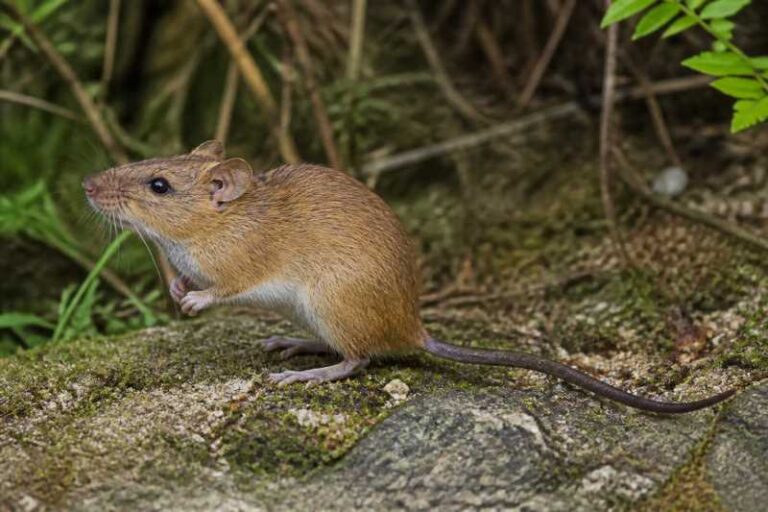
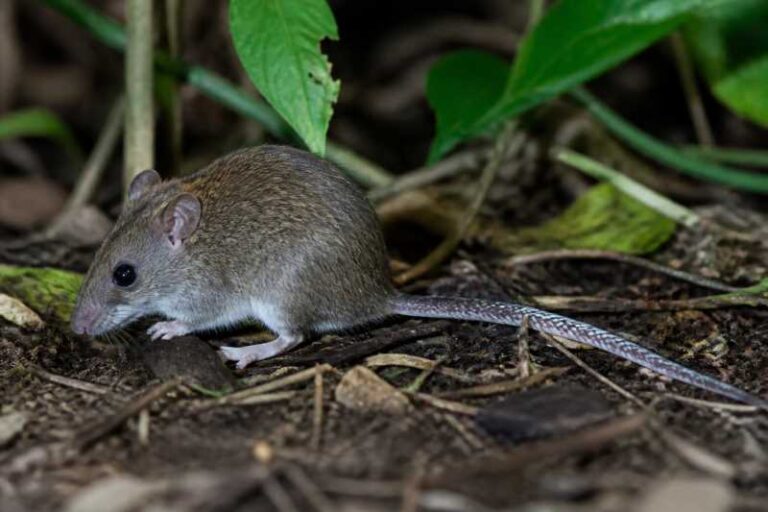
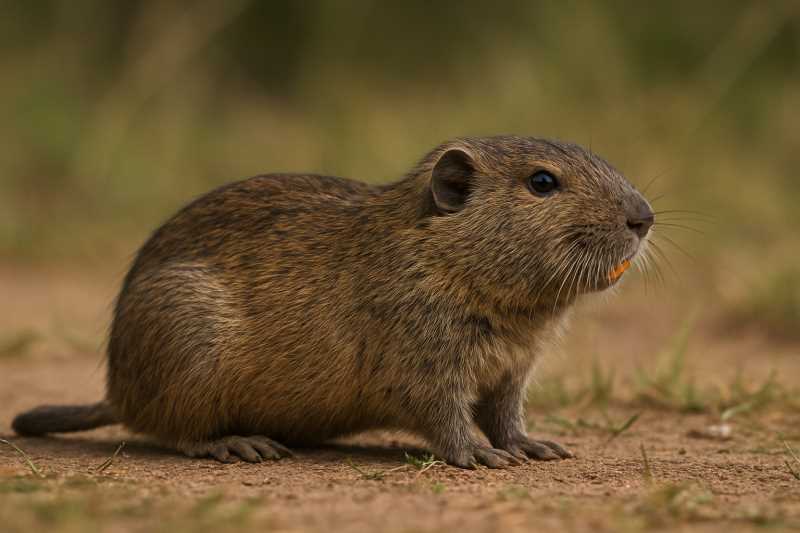
The Tucuman Tuco-tuco is a small to medium-sized rodent, measuring approximately 20 to 25 centimeters in length, including its short tail. It has a robust and cylindrical body, adapted for its fossorial lifestyle. The fur of the Tucuman Tuco-tuco varies in color, typically ranging from a soft brown to gray, providing camouflage against the soil and vegetation of its natural habitat.
The limbs of the Tucuman Tuco-tuco are well-suited for digging, with powerful forelimbs and large claws. Its incisors are prominently visible, adapted for gnawing through roots and tough underground vegetation. The eyes and ears of this species are relatively small, an adaptation to its life largely spent underground.
Range and Habitat
The Tucuman Tuco-tuco is native to the Tucumán Province in northwestern Argentina. This region is characterized by a diverse range of habitats, including subtropical forests, grasslands, and agricultural lands. The species is highly specialized for a subterranean existence, constructing complex burrow systems that provide protection from predators and harsh weather conditions.
These mammals prefer well-drained soils that facilitate digging. While they are often associated with natural grasslands, they have also been observed inhabiting areas altered by agricultural activities. This adaptability to modified landscapes highlights their resilience, albeit with certain ecological constraints.
Behavior and Diet
Tucuman Tuco-tucos are primarily solitary animals, with each individual maintaining its own burrow system. These rodents are known for their territorial behavior, often engaging in vocalizations known as "tuc-tucs," from which their name is derived, to communicate and establish territory boundaries.
Their diet mainly consists of underground plant parts such as roots, tubers, and bulbs. Occasionally, they may also consume surface vegetation. The Tuco-tuco’s burrowing activity helps aerate the soil and promote nutrient cycling, thus playing a crucial ecological role in their habitat.
Identification Tips
Identifying the Tucuman Tuco-tuco in the field can be challenging due to their subterranean lifestyle. However, certain cues can aid in recognition:
- Burrow Entrances: Look for circular soil mounds with distinct entrances, often found in clusters, which indicate the presence of active Tuco-tuco burrows.
- Vocalizations: Listen for their characteristic "tuc-tuc" calls, particularly at dawn and dusk when they are more active.
- Fur Coloration: If spotted above ground, note the soft brown to gray fur that blends with their natural surroundings.
Conservation Status
The conservation status of the Tucuman Tuco-tuco is currently listed as "Data Deficient" by the International Union for Conservation of Nature (IUCN). This classification indicates a lack of sufficient data to make a direct assessment of its risk of extinction.
Threats
- Habitat Loss: Agricultural expansion and urban development pose significant threats by reducing and fragmenting their natural habitats.
- Pesticides and Pollution: The use of chemicals in agriculture can contaminate soil and water, adversely affecting Tuco-tuco populations.
Protections
While specific protections for the Tucuman Tuco-tuco are limited, conservation efforts in Argentina aimed at preserving native grasslands and forests indirectly benefit their populations. Continued research and monitoring are essential to develop targeted conservation strategies.
Frequently Asked Questions
1. What adaptations help the Tucuman Tuco-tuco in its subterranean lifestyle?
The Tucuman Tuco-tuco has developed several adaptations for life underground, including strong forelimbs with large claws for digging, reduced eyesight and hearing suited to darkness, and specialized teeth for gnawing roots and other underground plant materials.
2. How does the Tucuman Tuco-tuco contribute to its ecosystem?
By burrowing, Tuco-tucos aerate the soil, enhance water infiltration, and promote nutrient cycling. Their foraging activities also help control plant population and contribute to the ecological balance of their habitats.
3. Are there any conservation efforts specifically targeting the Tucuman Tuco-tuco?
Currently, no specific conservation programs are directed solely at the Tucuman Tuco-tuco. However, broader conservation initiatives aimed at preserving Argentine grasslands and forests indirectly support their habitat conservation.
4. How can I observe a Tucuman Tuco-tuco in the wild?
Observing a Tucuman Tuco-tuco requires patience and attention to their burrowing activity and vocalizations. Visiting their native habitats at dawn or dusk can increase the chances of sighting or hearing them.
5. What does the "Data Deficient" status mean for the Tucuman Tuco-tuco?
"Data Deficient" means there is not enough information to accurately assess the species’ risk of extinction. It highlights the need for further research to inform conservation actions.
Related posts