Introduction
The Caspian White-toothed Shrew, scientifically known as Crocidura caspica, is a small mammal that belongs to the Soricidae family. This elusive species is found primarily in the regions surrounding the Caspian Sea. As a member of the genus Crocidura, which is one of the largest genera of mammals, the Caspian White-toothed Shrew plays a crucial role in the ecosystem, particularly in terms of pest control. Despite its significance, this shrew is lesser-known to the public, making it a fascinating subject for study and conservation efforts.
Physical Description
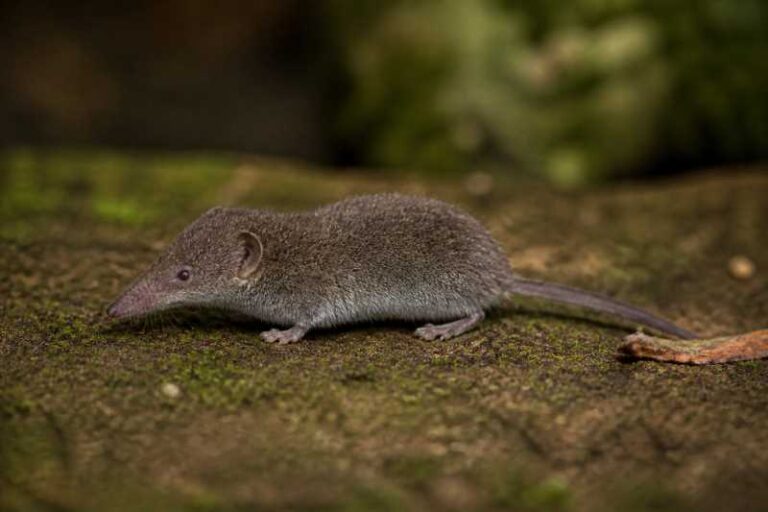
The Caspian White-toothed Shrew is characterized by its small size and distinctive white teeth, which are devoid of the iron-rich pigmentation found in other shrews. Adult individuals typically measure between 55 to 70 millimeters in body length, with a tail length of 30 to 45 millimeters. The fur of this shrew is dense and soft, predominantly grayish-brown on the dorsal side, with a lighter, grayish-white underbelly. Its snout is elongated, a common trait among shrews, facilitating its insectivorous diet.
The shrew’s limbs are slim and adept for digging, with sharp claws that aid in foraging. Its eyes are small, reflecting its reliance on other senses like touch and smell rather than vision. The ears are relatively large compared to its body size, enhancing its auditory capabilities.
Range and Habitat
Crocidura caspica is endemic to the regions near the Caspian Sea. Its range includes parts of northern Iran, Azerbaijan, and southern Russia. This shrew favors habitats that offer ample cover and a rich supply of invertebrates, such as moist, dense woodlands, marshlands, and cultivated fields.
The availability of water bodies is crucial for its habitat selection, as these environments support the lush vegetation and abundant insect life that the shrew depends upon. Seasonal changes in these areas influence the shrew’s distribution, with populations expanding in favorable conditions and retracting during harsher climates.
Behavior and Diet
Caspian White-toothed Shrews are predominantly nocturnal, using the cover of darkness to forage for food and avoid predators. They are solitary creatures, with each individual maintaining a defined territory that is marked and defended against intruders.
Their diet primarily consists of insects and other invertebrates, including beetles, worms, and spiders. The shrew’s high metabolic rate necessitates frequent feeding, and it is not uncommon for them to consume their body weight in food each day. This voracious appetite aids in controlling insect populations, highlighting the shrew’s ecological importance.
Identification Tips
Field recognition of the Caspian White-toothed Shrew can be challenging due to its small size and elusive nature. However, there are several cues that can aid in identification:
- Size and Shape: Look for a small, mouse-like creature with an elongated snout and a compact body.
- Coloration: Note the grayish-brown fur with a lighter belly.
- Behavior: Observe nocturnal activity and rapid, darting movements.
- Habitat: Focus on moist, wooded, or marshy areas near water bodies.
Listening for rustling sounds in leaf litter during the night can also be a useful method for locating these shrews.
Conservation Status
Currently, the Caspian White-toothed Shrew is listed as "Least Concern" on the IUCN Red List. However, its populations are subject to various threats, primarily stemming from habitat destruction and pollution.
Agricultural expansion and urban development have led to the fragmentation of their natural habitats. Additionally, the use of pesticides and other chemicals in agriculture poses a direct threat to their food sources and health.
Conservation efforts focus on habitat protection and pollution control. Preserving wetland areas and enforcing regulations on pesticide use are crucial steps in ensuring the survival of this species.
Frequently Asked Questions
1. What does the Caspian White-toothed Shrew eat?
The Caspian White-toothed Shrew primarily feeds on insects and invertebrates such as beetles, worms, and spiders. Its high metabolic rate requires it to consume large amounts of food relative to its body size daily.
2. Where can I find the Caspian White-toothed Shrew?
This species is found in regions surrounding the Caspian Sea, including parts of northern Iran, Azerbaijan, and southern Russia. It inhabits moist woodlands, marshlands, and cultivated fields.
3. How do Caspian White-toothed Shrews contribute to the ecosystem?
They play a vital role in controlling insect populations, acting as natural pest controllers. This helps maintain ecological balance and supports agricultural health.
4. Are Caspian White-toothed Shrews endangered?
Currently, they are not considered endangered and are listed as "Least Concern" by the IUCN. However, they face threats from habitat destruction and pollution.
5. How can I identify a Caspian White-toothed Shrew in the wild?
Look for a small, mouse-like creature with an elongated snout, grayish-brown fur, and a lighter belly. They are mostly active at night and are found in moist, wooded, or marshy areas.
Related posts