The Elusive Grauer’s Cuckooshrike: A Comprehensive Overview
The Grauer’s Cuckooshrike, scientifically known as *Ceblepyris graueri*, is an avian enigma that continues to intrigue ornithologists and bird enthusiasts alike. This rare bird, endemic to the montane forests of the Albertine Rift in Central Africa, is a testament to the rich biodiversity that these regions harbor. Despite its elusive nature, dedicated research and conservation efforts have shed some light on its ecology, behavior, and the challenges it faces in the wild.
Taxonomy and Description
Belonging to the family Campephagidae, the Grauer’s Cuckooshrike is one of the lesser-known members of a group characterized by their slender bodies and predominantly gray plumage. It was first described by the German ornithologist Anton Reichenow in 1908, named after the eminent zoologist Rudolf Grauer who collected the initial specimens.
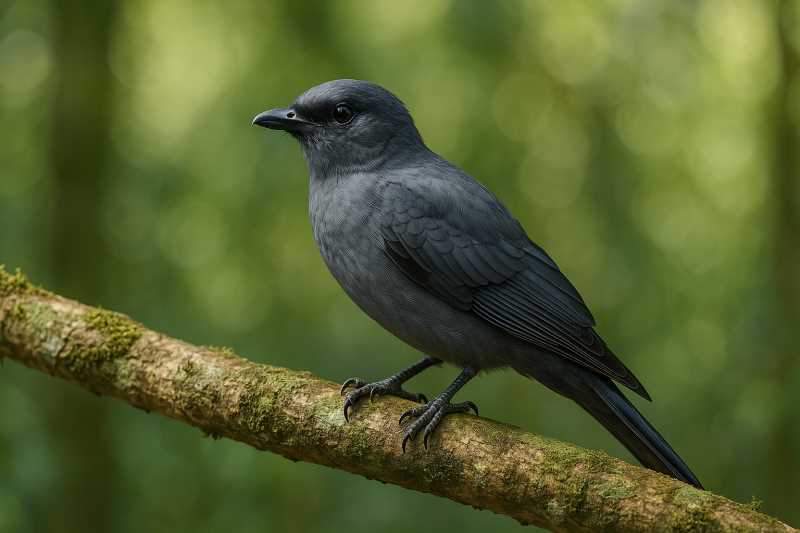
The Grauer’s Cuckooshrike is a medium-sized bird, measuring approximately 20-22 cm in length. Its plumage is predominantly slate-gray, which blends seamlessly with the forest canopy, making it difficult to spot. The subtle differences in the shades of gray between the sexes, with males being slightly darker, add to the complexity of studying this species in its natural habitat.
Habitat and Distribution
The Grauer’s Cuckooshrike is native exclusively to the montane forests of the Albertine Rift, a region recognized for its exceptional biodiversity and endemism. This narrow distribution range extends across parts of eastern Democratic Republic of the Congo, Rwanda, and Uganda. The bird favors altitudes ranging from 1,800 to 3,000 meters, thriving in the dense canopy of moist montane forests and occasionally venturing into adjacent forest edges.
The Albertine Rift’s rugged terrain and dense vegetation provide the perfect refuge for this elusive bird, but it also presents considerable challenges for researchers aiming to study its habits and ecology. The limited accessibility of these areas and political instability in parts of its range have hindered extensive field studies.
Behavior and Diet
Grauer’s Cuckooshrike is primarily insectivorous, feeding on a variety of insects and small arthropods. It forages by moving methodically through the mid to upper canopy, occasionally sallying out to catch flying insects in mid-air. Observations suggest that it may also consume small fruits, although insects constitute the bulk of its diet.
This species exhibits a relatively sedentary lifestyle, with pairs or small family groups maintaining territories within their preferred forest habitats. Vocalizations play a crucial role in maintaining contact between individuals, with the cuckooshrike using a series of soft whistles and trills to communicate.
Conservation Status
The International Union for Conservation of Nature (IUCN) currently lists the Grauer’s Cuckooshrike as Near Threatened. Its restricted range and the ongoing threats to its habitat are primary concerns for its conservation. The montane forests of the Albertine Rift face deforestation pressures due to agricultural expansion, illegal logging, and human settlement.
Conservation efforts are vital to ensure the survival of this species. Protected areas within its range, such as the Virunga National Park and Bwindi Impenetrable National Park, provide some refuge, but enhanced conservation strategies are needed to mitigate habitat destruction and promote sustainable land-use practices in surrounding areas.
Research and Monitoring
Given the challenges in studying the Grauer’s Cuckooshrike, ongoing research efforts are critical to understanding its ecological requirements and population dynamics. Technological advancements, such as bioacoustic monitoring and satellite telemetry, offer promising avenues for gathering data on this elusive species without causing disturbance.
Citizen science initiatives also play a pivotal role in augmenting formal research efforts. Birdwatchers and local communities can contribute valuable observations and data, enhancing our understanding of the cuckooshrike’s distribution and behavior.
Conclusion
The Grauer’s Cuckooshrike is a remarkable species that embodies the unique biodiversity of the Albertine Rift’s montane forests. Its elusive nature poses challenges, but also underscores the importance of preserving these ecosystems. Through continued research and concerted conservation efforts, there is hope that this enigmatic bird will continue to grace the forests of Central Africa for generations to come.
References
1. BirdLife International. (2020). *Ceblepyris graueri*. The IUCN Red List of Threatened Species 2020.
2. Reichenow, A. (1908). Description of *Ceblepyris graueri*. Journal of Ornithology.
3. Plumptre, A. J., et al. (2013). The Biodiversity of the Albertine Rift. Biological Conservation.
Related posts