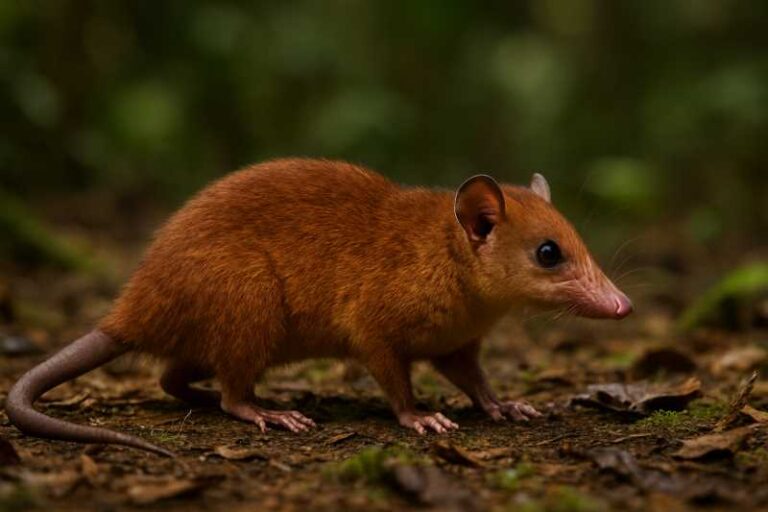
Introduction
The Brazilian Serotine, scientifically known as Neoeptesicus brasiliensis, is a fascinating species of bat belonging to the Vespertilionidae family. These nocturnal mammals are integral to the ecosystems they inhabit, playing crucial roles in insect population control and pollination. Despite their ecological importance, many aspects of their biology and behavior remain obscure, making them a subject of interest for researchers and wildlife enthusiasts alike.
Physical Description
The Brazilian Serotine is a small to medium-sized bat characterized by its robust body and broad wings. Adult individuals typically weigh between 10 to 15 grams and possess a wingspan ranging from 25 to 30 centimeters. Their fur is usually a dark brown or blackish color, providing excellent camouflage against the night sky. The ears are relatively short and rounded, and they have a blunt head with a slightly upturned nose, which is a distinguishing feature among bats in their range.
One of the most notable features of the Brazilian Serotine is its dental structure, which is adapted for an insectivorous diet. The sharp, pointed teeth are ideal for grasping and consuming a variety of insect prey. Their eyes are small, but these bats rely heavily on echolocation for navigation and hunting rather than vision.
Range and Habitat
The Brazilian Serotine is predominantly found in the tropical and subtropical regions of South America. Its range includes countries such as Brazil, Argentina, Paraguay, and Uruguay. These bats are highly adaptable and can thrive in various habitats, from dense rainforests and open woodlands to urban areas and agricultural landscapes.
Typically, the Brazilian Serotine prefers roosting in tree cavities, crevices in rocks, or man-made structures like buildings and bridges. They may also form colonies in hollow trees or under loose bark, which provides shelter and protection from predators. Their ability to adapt to different environments has been a key factor in their survival across diverse landscapes.
Behavior and Diet
The Brazilian Serotine is a nocturnal creature, emerging at dusk to embark on nightly foraging expeditions. Their flight patterns are agile and erratic, allowing them to effectively pursue and capture flying insects. These bats are insectivorous, with a diet that primarily consists of moths, beetles, flies, and mosquitoes. By consuming large quantities of insects, they play a vital role in controlling pest populations, benefiting both natural ecosystems and human agriculture.
Socially, Brazilian Serotines are known to roost in small groups, although solitary roosting has also been observed. They communicate using a complex system of echolocation calls, which are used not only for navigation but also for social interactions within colonies.
Identification Tips (Field Recognition Cues)
Identifying the Brazilian Serotine in the field requires a keen eye and knowledge of specific characteristics. Here are some tips for recognizing this species:
- Fur Coloration: Look for dark brown or blackish fur that blends seamlessly with the night environment.
- Ear Shape: Note the short and rounded ears, which differ from the elongated ears of other bat species.
- Flight Pattern: Observe their flight, which is typically agile and erratic as they hunt for insects.
- Roosting Habits: Check for colonies in tree cavities or man-made structures, a common roosting choice for this species.
Conservation Status (with Threats and Protections)
Currently, the Brazilian Serotine is classified as a species of Least Concern by the International Union for Conservation of Nature (IUCN). However, like many bat species, they face threats from habitat destruction, pesticide use, and human disturbance.
Deforestation and land conversion for agriculture reduce available roosting and foraging sites, while pesticides can diminish their insect prey and pose direct toxicity risks. Additionally, the destruction of roosting sites due to urban development can impact local populations.
Efforts to protect the Brazilian Serotine include habitat conservation, the establishment of protected areas, and public education initiatives to raise awareness about the ecological benefits of bats. Continued research is necessary to better understand their population dynamics and implement effective conservation strategies.
Frequently Asked Questions
- What is the primary diet of the Brazilian Serotine?
The Brazilian Serotine primarily feeds on insects, including moths, beetles, flies, and mosquitoes. Their diet is essential for controlling insect populations and maintaining ecological balance.
- How do Brazilian Serotines navigate and hunt?
Brazilian Serotines use echolocation to navigate and hunt. They emit high-frequency calls that bounce off objects, allowing them to detect prey and avoid obstacles in the dark.
- Where can Brazilian Serotines be found?
Brazilian Serotines are found in South American countries such as Brazil, Argentina, Paraguay, and Uruguay. They inhabit tropical and subtropical regions, adapting to various environments.
- Are Brazilian Serotines endangered?
Currently, the Brazilian Serotine is not endangered and is classified as Least Concern. However, habitat destruction and pesticide use pose ongoing threats that require monitoring and conservation efforts.
- How do Brazilian Serotines contribute to the environment?
Brazilian Serotines play a crucial role in ecosystems by controlling insect populations and contributing to pollination, which supports the health of both natural and agricultural systems.
Related posts