Introduction
The Silky Short-tailed Bat, scientifically known as Carollia brevicauda, is an intriguing member of the Phyllostomidae family, often referred to as leaf-nosed bats. This species plays a crucial ecological role, particularly in tropical ecosystems, where it acts as a pollinator and seed disperser. Understanding the Silky Short-tailed Bat is vital for maintaining the health of these ecosystems. In this article, we delve into the world of this bat species, exploring its physical traits, habitat preferences, behavior, and more.
Physical Description
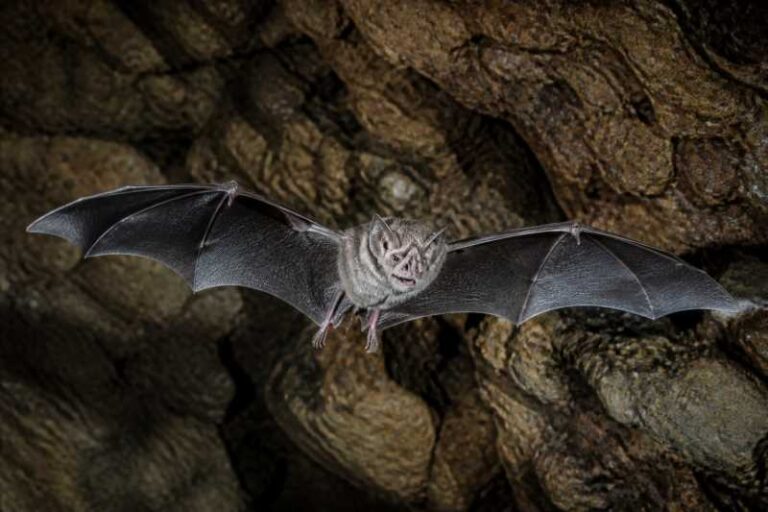
The Silky Short-tailed Bat is a small to medium-sized bat, with a body length ranging from 50 to 70 millimeters and a weight between 10 to 20 grams. Its fur is silky and varies in color from dark brown to gray, providing excellent camouflage within its forest habitat. This bat is characterized by its short tail, which is partially enclosed within the interfemoral membrane, and a distinctive leaf-shaped projection on its nose, which aids in echolocation.
The wings of the Carollia brevicauda are broad and rounded, facilitating agile flight through dense foliage. Its ears are relatively large and rounded, enhancing its ability to detect sound. The dental formula is adapted for a frugivorous diet, with well-developed molars for grinding fruit.
Range and Habitat
The Silky Short-tailed Bat is predominantly found in Central and South America, with its range extending from southern Mexico through parts of Central America and into the northern regions of South America. It inhabits a variety of tropical environments, including lowland rainforests, montane forests, and secondary growth areas.
This species thrives in regions with abundant fruit-bearing plants, as it relies heavily on these for sustenance. The bats often roost in sheltered locations such as caves, hollow trees, and man-made structures. They are adaptable creatures, capable of adjusting to habitat changes, although deforestation poses a significant threat to their populations.
Behavior and Diet
The Silky Short-tailed Bat is nocturnal, beginning its activities shortly after dusk. It exhibits social behavior, often roosting in groups that can vary in size from a few individuals to several dozen. These bats are known for their complex vocalizations, which serve various purposes including communication, navigation, and mating.
A frugivore by nature, the primary diet of Carollia brevicauda includes fruits from plants such as Piper, Solanum, and Cecropia. The bat plays an essential role in seed dispersal, contributing to forest regeneration. Its feeding strategy involves hovering near a fruit, plucking it, and carrying it to a nearby perch to consume.
Identification Tips
Identifying the Silky Short-tailed Bat in the field requires attention to several key features:
- Size and Shape: Look for a small to medium bat with a short tail partially enclosed by the interfemoral membrane.
- Nose Leaf: Note the prominent leaf-shaped nose projection, typical of the Phyllostomidae family.
- Fur Texture and Color: Observe the silky texture of the fur, which ranges from dark brown to gray.
- Habitat: Consider the environment; this species is often found in tropical forests with plentiful fruit.
- Behavior: If observed during flight, note the bat’s agile, low-flying patterns often near fruiting trees.
Conservation Status
Currently, the Silky Short-tailed Bat is listed as a species of Least Concern by the IUCN, indicating that it is not immediately at risk of extinction. However, like many other bat species, it faces several threats that could impact its population in the future.
Threats
- Habitat Loss: Deforestation and land conversion for agriculture reduce available roosting and feeding sites.
- Climate Change: Altered weather patterns may affect fruit availability, impacting food resources.
- Human Disturbance: Increased human activity can lead to habitat destruction and fragmentation.
Protections
- Protected Areas: Many regions within its range are designated as protected areas, providing some level of security.
- Conservation Programs: Initiatives focused on forest conservation and restoration indirectly benefit the species.
Frequently Asked Questions
- What does the Silky Short-tailed Bat eat?
The Silky Short-tailed Bat primarily consumes fruit, relying on species such as Piper, Solanum, and Cecropia for its diet. It plays a crucial role in seed dispersal within tropical ecosystems.
- Where can the Silky Short-tailed Bat be found?
The species is distributed across Central and South America, from southern Mexico to northern South America, inhabiting tropical rainforests and montane forests.
- How does the Silky Short-tailed Bat contribute to the ecosystem?
As a frugivore, the Silky Short-tailed Bat is a key seed disperser, aiding in forest regeneration by spreading seeds of the fruits it consumes.
- What are the main threats to the Silky Short-tailed Bat?
Habitat loss due to deforestation, climate change affecting fruit availability, and human disturbance are the primary threats to this species.
- How can we help protect the Silky Short-tailed Bat?
Supporting conservation efforts focused on preserving tropical forests and advocating for sustainable land-use practices can help protect the Silky Short-tailed Bat and its habitat.
Related posts