Introduction
The Palawan White-toothed Shrew, scientifically known as Crocidura palawanensis, is a small mammalian species endemic to the Palawan region of the Philippines. This shrew species is part of the Soricidae family, which comprises small insectivorous mammals commonly referred to as shrews. The uniqueness of the Palawan White-toothed Shrew lies in its evolutionary adaptations and ecological role within its native habitat. Given its limited geographic distribution, it has become a subject of interest among conservationists and biologists alike.
Shrews, in general, play a critical role in their ecosystems by controlling insect populations and serving as prey for larger predators. The Palawan White-toothed Shrew is no exception, as it contributes significantly to the ecological balance of its habitat. Understanding its physical characteristics, habitat preferences, behavior, and current conservation status is crucial for developing effective conservation strategies.
Physical Description
The Palawan White-toothed Shrew is a diminutive creature, with an average body length ranging from 60 to 80 millimeters and a tail length of approximately 40 to 50 millimeters. It typically weighs between 5 to 10 grams, making it one of the smaller members of the Soricidae family.
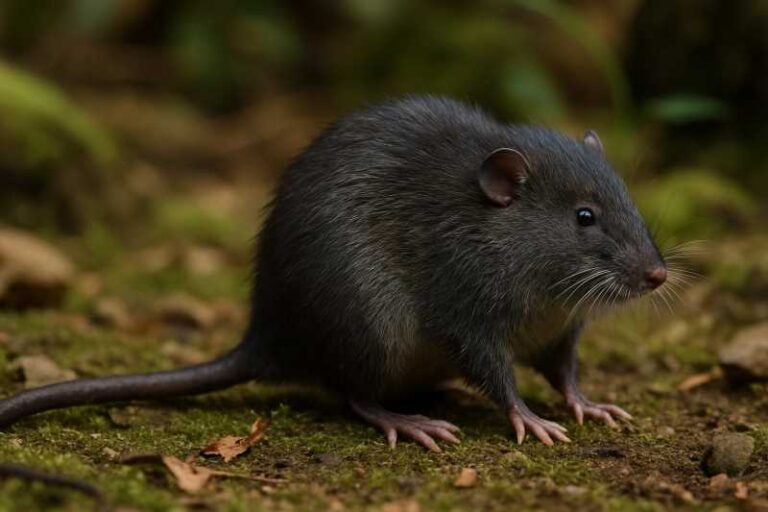
In terms of appearance, this shrew possesses a slender, elongated snout that aids in foraging for insects and other small invertebrates. Its fur is generally dark gray to brownish in color, providing effective camouflage against the forest floor. The shrew’s underbelly is lighter, often appearing whitish, which can be a useful field mark for identification.
The Palawan White-toothed Shrew derives its name from its distinctive white teeth, which lack pigmentation typically found in other shrew species. This characteristic is particularly useful for species identification and differentiating it from other sympatric shrew species in the region.
Range and Habitat
Crocdura palawanensis is endemic to the island of Palawan, located in the southern part of the Philippines. Palawan is renowned for its rich biodiversity and pristine natural landscapes, making it an ideal habitat for the Palawan White-toothed Shrew.
This shrew is typically found in primary and secondary forests, where it inhabits leaf litter and dense undergrowth. The humid and tropical climate of Palawan provides an optimal environment for the shrew, as it requires moist conditions to thrive.
Due to its limited range, the Palawan White-toothed Shrew is particularly vulnerable to habitat destruction. Deforestation, agricultural expansion, and urban development pose significant threats to its natural habitat, necessitating focused conservation efforts.
Behavior and Diet
The Palawan White-toothed Shrew is primarily nocturnal, engaging in most of its foraging activities during the night. Its diet primarily consists of insects, larvae, and other small invertebrates. The shrew’s keen sense of smell and acute hearing equip it well for hunting in the dark.
This shrew is solitary by nature, with individuals maintaining distinct territories. It uses scent markings to communicate with other shrews and to delineate its territory boundaries. The shrew’s high metabolic rate necessitates frequent feeding, which accounts for its almost constant foraging behavior.
Reproduction in Palawan White-toothed Shrews is not well-documented, but like most shrews, they are likely to have multiple litters per year, with each litter consisting of several young. The gestation period is presumed to be short, and young shrews are born blind and hairless, requiring maternal care until they can fend for themselves.
Identification Tips (Field Recognition Cues)
Field identification of the Palawan White-toothed Shrew can be challenging due to its small size and often elusive nature. However, several features can aid in its identification:
- Coloration: Look for the dark gray to brownish fur with a lighter, whitish underbelly.
- Teeth: The distinctive white, unpigmented teeth are a key diagnostic feature.
- Size and Shape: Note the small body size, elongated snout, and relatively long tail.
- Habitat: Focus on areas with dense leaf litter in both primary and secondary forests.
Conservation Status (with Threats and Protections)
The conservation status of the Palawan White-toothed Shrew is currently classified as Data Deficient by the International Union for Conservation of Nature (IUCN). This classification reflects the limited information available about the species’ population trends and distribution.
The primary threat to the Palawan White-toothed Shrew is habitat loss due to deforestation and land conversion for agriculture. Additionally, the introduction of invasive species and environmental pollution pose risks to its survival.
Conservation measures for this shrew include:
- Habitat Protection: Ensuring the preservation of Palawan’s forests through legal protections and sustainable land-use practices.
- Research Initiatives: Conducting comprehensive studies to gather data on population dynamics, distribution, and ecological requirements.
- Public Awareness: Promoting awareness about the importance of the Palawan White-toothed Shrew and its role in the ecosystem.
Frequently Asked Questions
What is the habitat of the Palawan White-toothed Shrew?
The Palawan White-toothed Shrew primarily inhabits the dense undergrowth and leaf litter of primary and secondary forests in Palawan, Philippines. Its habitat is characterized by a humid, tropical climate, which is essential for its survival.
How can you identify a Palawan White-toothed Shrew?
Identification can be made by observing the shrew’s small size, dark gray to brownish fur, lighter underbelly, and distinctive white teeth. It is often found in forested areas with dense leaf litter.
What threats does the Palawan White-toothed Shrew face?
The primary threats include habitat destruction due to deforestation and agricultural expansion, invasive species, and environmental pollution. Conservation efforts are needed to mitigate these threats.
Why is the Palawan White-toothed Shrew important?
As an insectivore, the Palawan White-toothed Shrew plays a crucial role in controlling insect populations, contributing to the ecological balance of its habitat. It also serves as prey for larger predators, forming an integral part of the food web.
What conservation measures are in place for the Palawan White-toothed Shrew?
Conservation measures include habitat protection, research initiatives to gather more data on the species, and public awareness campaigns to highlight its ecological significance.
Related posts