Introduction
The Hispaniolan Common Mustached Bat (Pteronotus pusillus) is an intriguing species of bat belonging to the family Mormoopidae. Known for its distinct facial features, this bat species is endemic to the island of Hispaniola, which comprises the Dominican Republic and Haiti. While not as widely recognized as some of its flying mammal counterparts, the Hispaniolan Common Mustached Bat plays a crucial role in its ecosystem, notably in insect population control and pollination. This article explores various aspects of this unique creature, from its physical characteristics and habitat preferences to its behavior and the conservation efforts in place to ensure its survival.
Physical Description
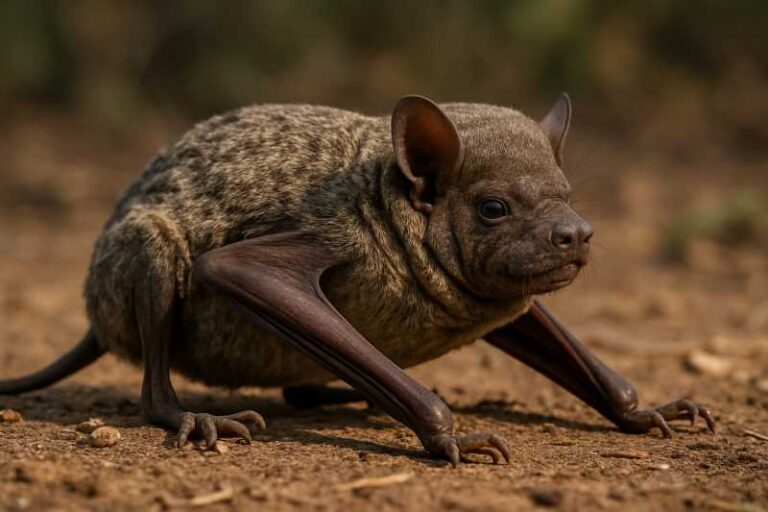
The Hispaniolan Common Mustached Bat is a relatively small bat, characterized by its delicate and streamlined body. Adult individuals typically weigh between 4 to 7 grams and possess a wingspan ranging from 20 to 25 centimeters. The bat’s fur is soft and ranges in color from a light brown to a dark, almost black hue, which aids in camouflage within its natural habitat.
One of the most distinctive features of the Pteronotus pusillus is its ‘mustache’—a series of facial bristles located above the upper lip. These bristles serve a sensory function, aiding the bat in detecting environmental changes and potential prey. Additionally, the bat has long, narrow wings that facilitate agile flight, essential for navigating through dense forest canopies and capturing flying insects.
Its ears are relatively large and rounded, equipped with a tragus, which is a small cartilaginous structure that aids in echolocation. This adaptation is crucial for hunting and navigation in the dark, as it allows the bat to emit high-frequency sound waves and interpret the returning echoes to locate objects and prey.
Range and Habitat
The Hispaniolan Common Mustached Bat is endemic to the island of Hispaniola in the Caribbean. Its presence has been recorded across various habitats on the island, including lowland tropical forests, subtropical dry forests, and montane rainforests. The bat prefers habitats that offer ample roosting sites such as caves, hollow trees, and abandoned buildings.
Roosting sites are typically shared with other bat species, forming colonies that vary in size. These roosts provide shelter and protection from predators and environmental elements, ensuring the survival of the bat populations on the island.
The bat’s distribution is closely associated with areas that have abundant insect populations since insects constitute the primary component of its diet. This preference makes the bat an important biological control agent, helping to maintain a balanced ecosystem by managing insect populations.
Behavior and Diet
The Hispaniolan Common Mustached Bat is predominantly nocturnal, emerging from its roosts at dusk to forage. Its diet mainly comprises flying insects, including moths, beetles, and mosquitoes. The bat’s echolocation capability is highly developed, allowing it to detect and capture prey with remarkable precision even in complete darkness.
Foraging typically occurs in areas with high insect activity, such as near water bodies or in forest clearings. The bat’s agile flight and rapid maneuvering skills enable it to efficiently capture prey mid-air.
Socially, the Hispaniolan Common Mustached Bat is known to be gregarious, often forming large colonies for roosting. These colonies can consist of hundreds of individuals, which help the bats conserve energy and protect against predation. Communication within the species is facilitated through a series of vocalizations and physical interactions.
Identification Tips (Field Recognition Cues)
Identifying the Hispaniolan Common Mustached Bat in the field can be achieved by observing several key characteristics:
- Size and Color: Look for a small bat with a wingspan of 20 to 25 centimeters and fur that ranges from light brown to dark.
- Mustache-like Bristles: Note the distinctive facial bristles above the upper lip, which are unique to this species.
- Ears and Tragus: The bat has large, rounded ears with a noticeable tragus, aiding in echolocation.
- Flight Pattern: Observe the bat’s agile flight and rapid maneuvers, often seen foraging near water bodies or forest edges.
- Roosting Habits: This species roosts in colonies within caves, hollow trees, or abandoned structures, often with other bats.
Conservation Status (with Threats and Protections)
The conservation status of the Hispaniolan Common Mustached Bat is currently classified as ‘Least Concern’ by the International Union for Conservation of Nature (IUCN). However, this does not imply that the species is free from threats.
Threats:
- Habitat Loss: Deforestation and land conversion for agriculture and urban development pose significant threats to the bat’s natural habitat.
- Disturbance of Roost Sites: Human activities such as cave tourism and vandalism can disturb roosting colonies, leading to population declines.
- Climate Change: Changes in climate patterns can affect insect populations and, consequently, the bat’s food resources.
Protections:
Several conservation measures are in place to protect the Hispaniolan Common Mustached Bat:
- Protected Areas: Many of the bat’s habitats are located within national parks and protected areas, which help mitigate habitat destruction.
- Research and Monitoring: Ongoing research and monitoring of bat populations provide valuable data for conservation planning and management.
- Public Education: Raising awareness about the ecological importance of bats and promoting coexistence with humans are crucial for long-term conservation efforts.
Frequently Asked Questions
What is the primary diet of the Hispaniolan Common Mustached Bat?
The Hispaniolan Common Mustached Bat primarily feeds on flying insects such as moths, beetles, and mosquitoes. Its echolocation abilities enable it to hunt effectively in the dark.
How does the Hispaniolan Common Mustached Bat contribute to its ecosystem?
This bat species plays a vital role in controlling insect populations, thus contributing to pest management. Additionally, it aids in pollination and seed dispersal, supporting plant diversity.
Where can the Hispaniolan Common Mustached Bat be found?
The bat is endemic to the island of Hispaniola in the Caribbean, inhabiting lowland tropical forests, subtropical dry forests, and montane rainforests.
What are the main threats to the Hispaniolan Common Mustached Bat?
The primary threats include habitat loss due to deforestation, disturbance of roost sites from human activities, and the impacts of climate change on food availability.
Are there any conservation efforts in place for the Hispaniolan Common Mustached Bat?
Yes, conservation efforts include habitat protection through national parks, research and monitoring of populations, and public education campaigns to raise awareness about the importance of bats.
Related posts