Introduction
The Kazbeg Birch Mouse (Sicista kazbegica) is a small, elusive rodent endemic to the Caucasus region. As one of the lesser-known members of the Dipodidae family, this species has garnered interest from researchers and wildlife enthusiasts alike. Despite its inconspicuous presence, the Kazbeg Birch Mouse plays a vital role in its ecosystem, contributing to the biodiversity of the mountainous habitats it inhabits. This article delves into the specifics of the Kazbeg Birch Mouse, exploring its physical characteristics, habitat preferences, behavior, and conservation status.
Physical Description
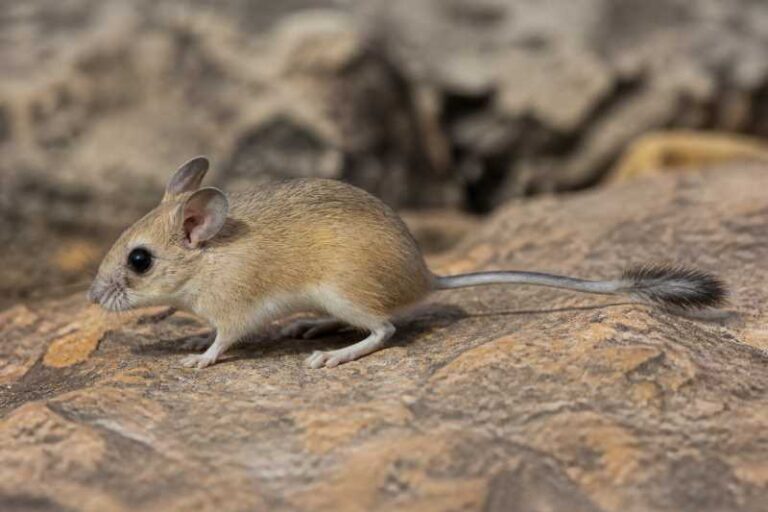
The Kazbeg Birch Mouse is a diminutive rodent, typically measuring between 6 to 9 centimeters in body length, with an additional tail length of approximately 8 to 10 centimeters. This gives the species a slender, elongated appearance, which is characteristic of the Sicista genus. The fur of the Kazbeg Birch Mouse is soft and dense, primarily exhibiting a brownish-gray color that provides excellent camouflage against the rocky and bushy terrains of its native range.
The mouse is distinguished by its long, narrow snout and prominent, rounded ears, which contribute to its acute sense of hearing. Its eyes are large and expressive, adapted for low-light conditions, a necessity for its predominantly nocturnal lifestyle. The limbs are short yet robust, with sharp claws that facilitate climbing and digging. Its tail, often longer than its body, is essential for maintaining balance and is covered in sparse hair.
Range and Habitat
The Kazbeg Birch Mouse is primarily found in the Caucasus region, with its range extending over parts of Georgia and Russia. It is named after Mount Kazbek, one of the prominent peaks in the Caucasus Mountains, highlighting the species’ preference for high-altitude environments. The preferred habitats are typically alpine meadows, subalpine forests, and rocky slopes, where they can find adequate cover and resources.
These habitats provide the Kazbeg Birch Mouse with a rich supply of food and protection from predators. The dense vegetation and rocky outcrops offer shelter and nesting sites, while the varied plant life supports its dietary needs. The species is well-adapted to the harsh climatic conditions of these altitudes, with its fur providing insulation against the cold.
Behavior and Diet
The Kazbeg Birch Mouse is primarily nocturnal, spending most of its active hours foraging under the cover of darkness. This behavior helps it avoid diurnal predators while taking advantage of the cooler nighttime temperatures. The species is solitary by nature, with individuals maintaining defined territories that they patrol regularly.
In terms of diet, the Kazbeg Birch Mouse is an omnivore. It feeds on a variety of seeds, fruits, and small invertebrates, such as insects and spiders. This diverse diet allows the species to adapt to seasonal changes in food availability. During the warmer months, it focuses on plant material, while in the colder months, it relies more heavily on stored food and animal protein.
Identification Tips (Field Recognition Cues)
Identifying the Kazbeg Birch Mouse in the field can be challenging due to its elusive nature and the resemblance to other small rodents in its range. However, several key characteristics can aid in its identification:
- Size and Shape: Look for a small, slender rodent with a body length of 6-9 cm and a tail longer than its body.
- Fur and Coloration: Note the brownish-gray fur that blends seamlessly with its environment, providing effective camouflage.
- Ears and Snout: The large, rounded ears and long snout are distinctive features of this species.
- Behavior: Observe nocturnal activity patterns and solitary behavior, which are indicative of the Kazbeg Birch Mouse.
- Habitat: Focus on high-altitude environments in the Caucasus region, particularly around Mount Kazbek.
Conservation Status (with Threats and Protections)
The Kazbeg Birch Mouse is currently classified as "Near Threatened" on the IUCN Red List. The primary threats to its survival are habitat destruction and climate change. Human activities such as agriculture, urbanization, and infrastructure development have led to significant habitat loss and fragmentation.
Climate change poses an additional threat, as rising temperatures and changing precipitation patterns impact the delicate alpine ecosystems. These changes can alter food availability and habitat suitability, putting further pressure on the species.
Conservation efforts are focused on habitat protection and management. Protected areas within the Kazbeg Birch Mouse’s range, such as national parks and nature reserves, play a crucial role in safeguarding the species. Continued research and monitoring are essential to better understand its ecology and inform conservation strategies. Public awareness and education initiatives can also contribute to its protection by highlighting the importance of preserving biodiversity.
Frequently Asked Questions
1. What is the Kazbeg Birch Mouse’s primary habitat?
The Kazbeg Birch Mouse primarily inhabits the alpine meadows, subalpine forests, and rocky slopes of the Caucasus region, particularly around Mount Kazbek. These high-altitude environments provide the necessary resources and cover for the species.
2. How does the Kazbeg Birch Mouse adapt to its environment?
The Kazbeg Birch Mouse adapts to its environment through its physical characteristics and behavior. Its brownish-gray fur offers camouflage, while its nocturnal habits reduce predation risk. The species’ omnivorous diet allows it to adjust to seasonal changes in food availability.
3. What are the main threats to the Kazbeg Birch Mouse?
The main threats to the Kazbeg Birch Mouse include habitat destruction due to human activities and climate change. These factors lead to habitat loss, fragmentation, and altered environmental conditions that impact the species’ survival.
4. How can conservation efforts help the Kazbeg Birch Mouse?
Conservation efforts can help the Kazbeg Birch Mouse by protecting and managing its habitat, particularly within protected areas like national parks. Research and monitoring, along with public awareness campaigns, are also crucial for informing conservation strategies and encouraging biodiversity preservation.
5. Are there any similar species to the Kazbeg Birch Mouse?
Yes, the Kazbeg Birch Mouse shares similarities with other members of the Sicista genus and other small rodents in the region. However, its distinct features, such as size, fur coloration, and habitat preferences, help differentiate it from related species.
Related posts