Introduction
The Lesser Short-tailed Gerbil, scientifically known as Gerbillus simoni, is a small rodent that captivates the interest of zoologists and wildlife enthusiasts alike. Known for its adorable appearance and unique adaptations, this gerbil is a fascinating subject of study in the context of desert ecology. This article delves into the various aspects of the Lesser Short-tailed Gerbil, offering insights into its physical characteristics, habitat preferences, behavior, diet, and more.
Physical Description
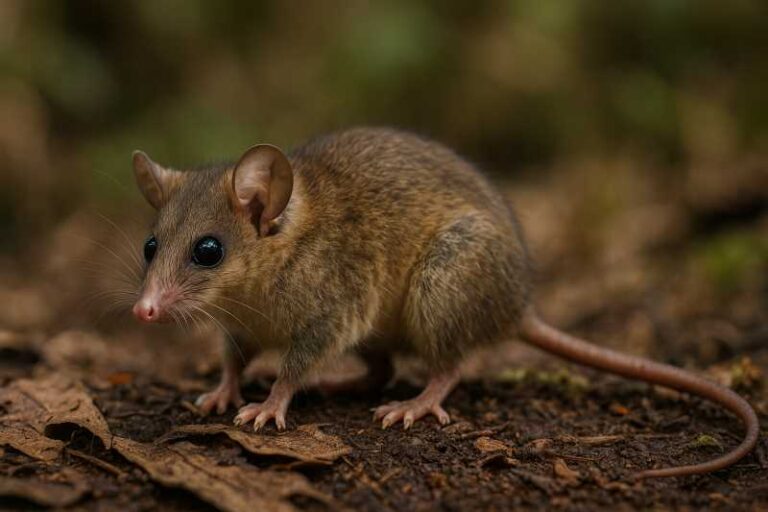
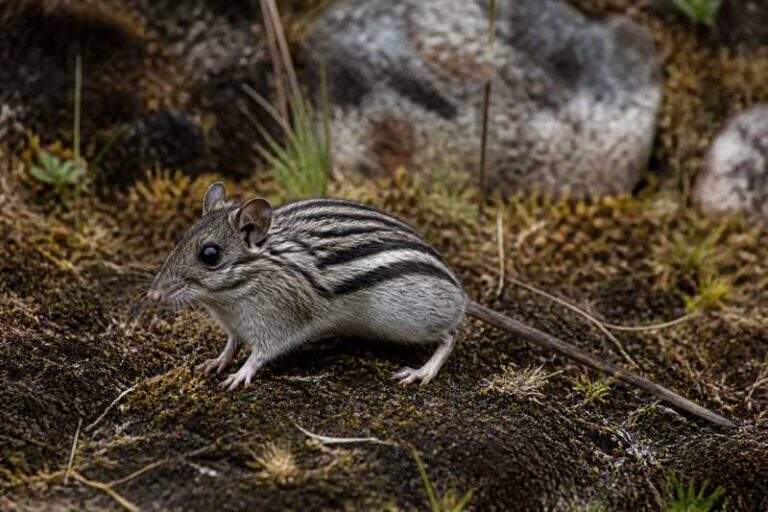
The Lesser Short-tailed Gerbil is a diminutive rodent, typically measuring between 8 to 10 centimeters in body length, with a tail slightly shorter than the body. This species displays a soft, silky coat that ranges in color from sandy beige to a light brown, allowing it to blend seamlessly into its desert surroundings. Its underbelly is usually a lighter shade, often white or cream, which aids in camouflage.
One of the most distinctive features of the Lesser Short-tailed Gerbil is its large, dark eyes, which are adapted for optimal vision in low-light conditions. This adaptation is crucial for its nocturnal lifestyle. Additionally, its long hind legs are well-suited for jumping, an essential skill for evading predators and navigating its arid habitat.
Range and Habitat
The Lesser Short-tailed Gerbil is predominantly found in North Africa, with its range extending across countries like Algeria, Tunisia, and Libya. It thrives in arid environments, particularly favoring sandy and semi-arid regions where it can burrow and find refuge from the harsh desert climate.
These gerbils are skilled diggers, creating elaborate burrow systems that protect them from extreme temperatures and predators. Their burrows are not only homes but also serve as storage areas for food, ensuring their survival during periods of scarcity.
Behavior and Diet
As a nocturnal creature, the Lesser Short-tailed Gerbil is most active during the night. This behavior helps it avoid the intense daytime heat of the desert. The gerbil is known for its solitary and territorial nature, with each individual maintaining a specific area for foraging and nesting.
The diet of the Lesser Short-tailed Gerbil primarily consists of seeds, grains, and plant material. Occasionally, it may also consume insects, providing a vital source of protein. These gerbils are adept at conserving water, obtaining most of their hydration needs from the food they consume, a crucial adaptation for survival in their arid habitat.
Identification Tips (Field Recognition Cues)
Identifying the Lesser Short-tailed Gerbil in the field requires attention to several key characteristics:
- Size and Shape: Look for a small rodent with a body length of 8-10 cm and a notably short tail compared to other gerbil species.
- Coloration: Observe the sandy to light brown coloration with a lighter underbelly.
- Eyes and Ears: Note the large, dark eyes and relatively small, rounded ears.
- Movement: Watch for its distinctive hopping locomotion, facilitated by its long hind legs.
- Burrows: Look for small, rounded burrow entrances in sandy soil, indicating their presence.
Conservation Status (with Threats and Protections)
Currently, the Lesser Short-tailed Gerbil is classified as Least Concern by the International Union for Conservation of Nature (IUCN). Despite its stable population, certain threats could impact its numbers if not monitored. Habitat destruction due to agricultural expansion and urbanization poses a significant risk. Additionally, climate change could alter its desert habitat, affecting food availability and water resources.
Conservation efforts are focused on habitat preservation and monitoring populations to ensure their continued stability. Education and awareness campaigns in North African regions are also crucial to mitigating human impact on their habitats.
Frequently Asked Questions
1. What is the lifespan of the Lesser Short-tailed Gerbil?
The Lesser Short-tailed Gerbil typically lives for 3 to 4 years in the wild. Factors such as predation, availability of food, and environmental conditions can affect their lifespan.
2. How do Lesser Short-tailed Gerbils adapt to desert environments?
These gerbils have several adaptations for desert life, including nocturnal habits, efficient water retention from their diet, and burrowing behavior to escape extreme temperatures.
3. Are Lesser Short-tailed Gerbils social animals?
No, they are generally solitary and territorial, with each gerbil maintaining its own burrow system and foraging area.
4. What predators do Lesser Short-tailed Gerbils face?
Their primary predators include birds of prey, snakes, and small carnivorous mammals. Their burrowing and nocturnal habits help them avoid these threats.
5. How can conservation efforts support Lesser Short-tailed Gerbils?
Conservation efforts can support these gerbils by protecting their natural habitats, implementing sustainable land-use practices, and conducting research to monitor population trends.
Related posts