Introduction
The Plush-coated Ring-tailed Possum, scientifically known as Pseudochirops corinnae, is a fascinating marsupial native to the lush tropical regions of New Guinea. Known for its distinctive plush fur and charismatic appearance, this species has piqued the interest of both researchers and wildlife enthusiasts. As part of the Pseudocheiridae family, the Plush-coated Ring-tailed Possum plays a critical role in its ecosystem, contributing to seed dispersal and maintaining the balance of its habitat.
In this comprehensive article, we will delve into the unique characteristics of the Plush-coated Ring-tailed Possum, exploring its physical attributes, habitat preferences, behavioral patterns, and the conservation challenges it faces. Whether you are a student, researcher, or simply an animal lover, this guide will provide you with an in-depth understanding of this remarkable species.
Physical Description
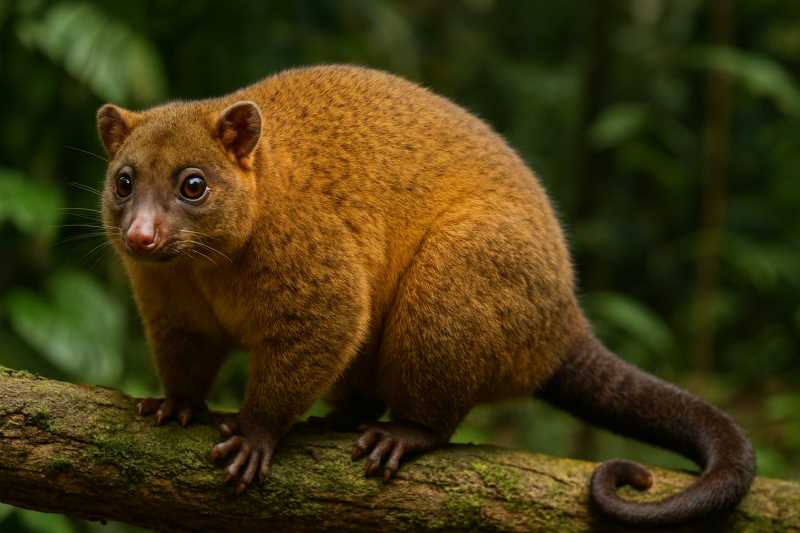
The Plush-coated Ring-tailed Possum is renowned for its soft, dense fur, which typically exhibits a rich brown or reddish-brown coloration. This luxurious coat not only serves an aesthetic purpose but also provides essential insulation against the varying temperatures of its high-altitude habitats. The underbelly of the possum is usually a lighter, cream color, creating a striking contrast with the darker dorsal fur.
One of the distinguishing features of this possum is its prehensile tail, which is ringed and serves as a versatile tool for grasping branches as the possum navigates the forest canopy. The tail is slightly longer than the body, measuring approximately 30 to 40 centimeters, which aids in balance and mobility.
The Plush-coated Ring-tailed Possum possesses large, expressive eyes adapted for nocturnal activity, along with small rounded ears that enhance its auditory senses. Its limbs are equipped with sharp claws for climbing, and the opposable first toes on its hind feet allow for a strong grip on branches.
Range and Habitat
The Plush-coated Ring-tailed Possum is endemic to the island of New Guinea, where it inhabits the montane and subalpine forests. These environments are characterized by dense vegetation and a rich diversity of plant species, providing ample food and shelter for the possum.
This species is predominantly found at altitudes ranging from 1,200 to 3,600 meters above sea level, where the climate is cooler and more humid compared to the lowland regions. The forests in these areas are often shrouded in mist and receive significant rainfall, creating a lush and vibrant ecosystem.
The possum’s range includes both Papua New Guinea and the Indonesian region of Papua, with some populations potentially extending into the adjacent highland areas. However, the exact distribution and population density of the Plush-coated Ring-tailed Possum remain subjects of ongoing research.
Behavior and Diet
As a nocturnal and arboreal creature, the Plush-coated Ring-tailed Possum spends most of its life in the treetops, coming down to the forest floor only rarely. During the day, it rests in tree hollows or dense foliage, relying on its camouflaged fur to avoid predators.
The diet of this possum primarily consists of leaves, flowers, and fruits, making it a folivore with occasional frugivorous tendencies. It plays a crucial role in seed dispersal, contributing to the regeneration of its forest habitat. The possum’s digestive system is specially adapted to break down cellulose, allowing it to extract nutrients from tough plant materials.
Socially, the Plush-coated Ring-tailed Possum exhibits solitary behavior, although it may occasionally be observed in small family groups. Communication among individuals is facilitated by vocalizations and scent markings, which help establish territory and identify potential mates.
Identification Tips (Field Recognition Cues)
Identifying the Plush-coated Ring-tailed Possum in the wild can be challenging due to its nocturnal habits and elusive nature. However, there are several key features to look for:
- Fur Texture and Color: Look for the distinctive plush, reddish-brown fur with a lighter underbelly.
- Tail: Observe the long, prehensile tail with ring-like markings, often curled around branches.
- Eyes and Ears: Note the large eyes and small, rounded ears, typical of nocturnal marsupials.
- Location: Focus on high-altitude forests in New Guinea, particularly at night when the possum is active.
Conservation Status (With Threats and Protections)
The Plush-coated Ring-tailed Possum is currently listed as a species of Least Concern by the International Union for Conservation of Nature (IUCN). However, it faces several threats that could impact its long-term survival.
Threats
- Habitat Destruction: Deforestation for agriculture and logging poses a significant threat, reducing the available habitat for the possum.
- Climate Change: Alterations in temperature and precipitation patterns could disrupt the delicate balance of its montane ecosystem.
- Hunting: In some regions, hunting for food or the pet trade may impact local populations.
Protections
- Protected Areas: Many regions of New Guinea are designated as protected areas, providing a refuge for the possum and other wildlife.
- Conservation Programs: Local and international efforts focus on habitat preservation and sustainable land use practices.
Continued research and monitoring are essential to ensure that the Plush-coated Ring-tailed Possum remains a thriving part of New Guinea’s biodiversity.
Frequently Asked Questions
1. What is the lifespan of a Plush-coated Ring-tailed Possum?
The lifespan of a Plush-coated Ring-tailed Possum in the wild is not well documented, but similar species have been known to live up to 10-12 years in captivity.
2. How does the Plush-coated Ring-tailed Possum contribute to its ecosystem?
As a folivore and frugivore, the possum plays a critical role in seed dispersal, which aids in forest regeneration and the maintenance of plant diversity.
3. Are Plush-coated Ring-tailed Possums endangered?
Currently, the Plush-coated Ring-tailed Possum is not considered endangered, but habitat destruction and other threats could potentially impact its populations in the future.
4. What adaptations help the Plush-coated Ring-tailed Possum survive in its habitat?
Adaptations such as its prehensile tail, sharp claws, and specialized digestive system allow the possum to thrive in its arboreal and folivorous lifestyle.
5. Can you keep a Plush-coated Ring-tailed Possum as a pet?
Keeping a Plush-coated Ring-tailed Possum as a pet is not recommended due to its specific dietary and environmental needs, as well as legal restrictions in many areas.
Related posts